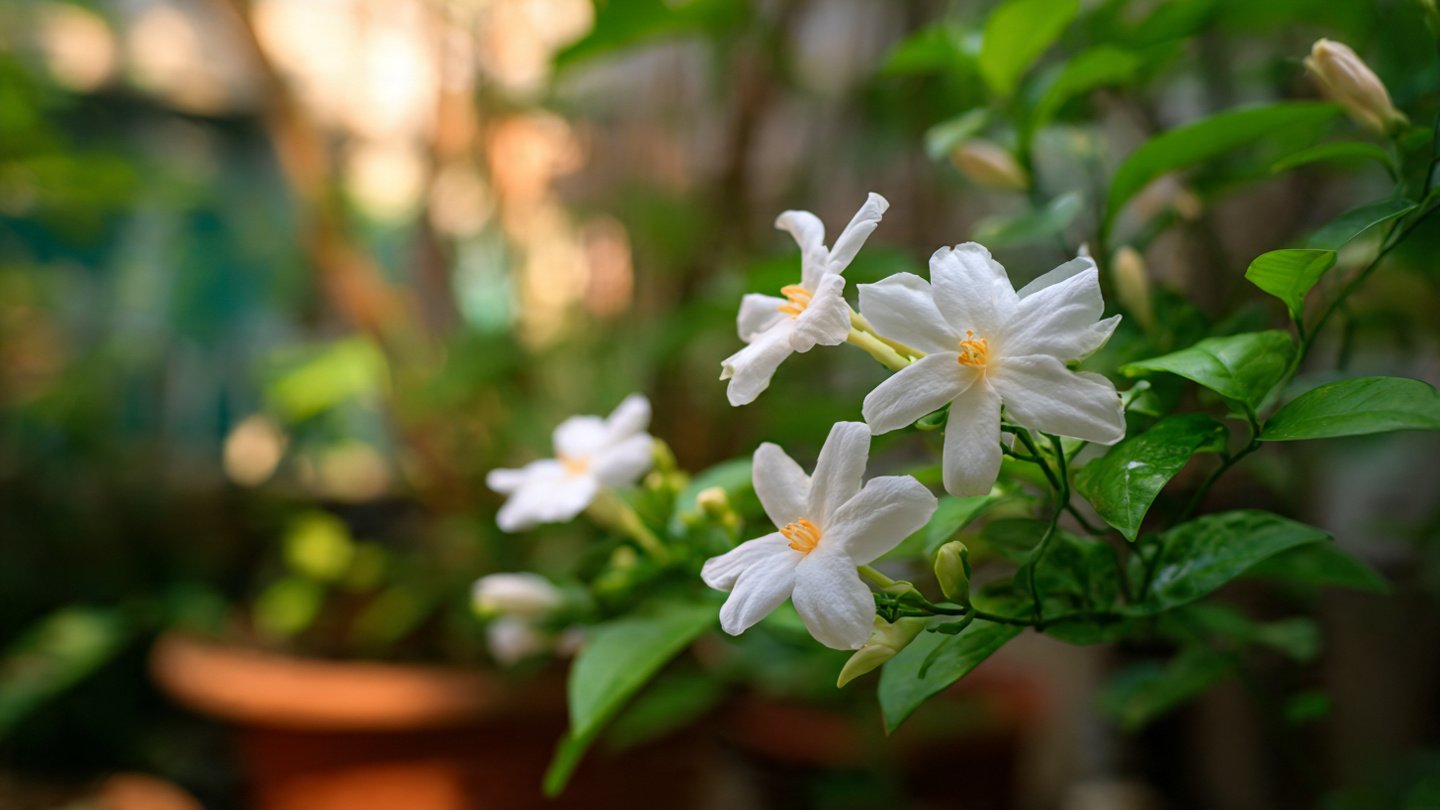
Jasmine Sambac, also known as Arabian Jasmine (Jasminum sambac), is a tropical shrub known for its fragrant, white flowers. This beautiful plant is cherished for its delightful aroma and has been used in perfumes, teas, and traditional medicine for centuries. Growing Jasmine Sambac at home is a rewarding endeavor that requires relatively low maintenance, making it perfect for beginners. In this guide, we’ll cover everything you need to know about growing, caring for, and enjoying Jasmine Sambac.
1. Understanding Jasmine Sambac
1.1 Characteristics
Latest Posts
- Easy Steps to Successfully Grow Bhindi in Grow Bags at Home
- Easy Steps to Grow a Healthy Guava Bonsai at Home for Beginners
- How to Successfully Grow and Cultivate White Strawberry Plants at Home for Delicious and Unique Fruits
- Ultimate Guide to Successfully Growing Weeping Fig Outdoors with Proven Techniques and Expert Tips
- How to Successfully Grow Flemish Beauty Pear Trees in Canada for Optimal Harvest
- Easy Hack to Grow Strawberries Year Round in Your Home Garden for Delicious Harvests
- Growing Flemish Beauty Pears in Canada A Complete Guide for Local Gardens
- The Ultimate Guide to Growing Hibiscus Plants Year Round for Vibrant Blooms and Healthy Foliage
- Easy Ways to Boost the Growth Rate of Your Indoor Peace Lily for Lush Green Foliage
- How to Successfully Grow Oak Leaf Lettuce in Your Home Garden for Fresh and Flavorful Salads
Jasmine Sambac is a perennial evergreen shrub that can grow up to 3 to 6 feet tall. The plant has dark green, glossy leaves and produces small, star-shaped white flowers with a strong, sweet fragrance. These blooms typically appear in clusters and can be harvested for their scent and culinary uses.
1.2 Native Habitat
Native to Southeast Asia, Jasmine Sambac flourishes in warm, humid climates. However, with the right care, it can adapt to various environments, making it a suitable addition to gardens worldwide.
2. Choosing the Right Variety
While Jasmine Sambac is itself a variety of jasmine, there are several cultivars available. Some popular ones include:
- ‘Maid of Orléans’: This variety is known for its single, highly fragrant flowers and compact growth habit.
- ‘Grand Duke of Tuscany’: This variant produces larger, double flowers that have a more potent fragrance.
When selecting a variety, consider your growing conditions and preferences regarding flower size and fragrance intensity.
3. Ideal Growing Conditions
3.1 Climate
Jasmine Sambac thrives in USDA Hardiness Zones 9 to 11. It prefers warm temperatures but can tolerate mild winters. If you live in a cooler region, consider growing it in a pot that you can bring indoors during colder months.
3.2 Light Requirements
Jasmine Sambac loves bright, indirect sunlight. Direct sun can scorch the leaves, while too little light may hinder blooming. A south or west-facing window is ideal for indoor plants, while outdoor plants should be placed in a spot with dappled sunlight.
3.3 Soil
A well-draining, loamy soil rich in organic material is best for Jasmine Sambac. A pH level between 6.0 and 7.0 is ideal. You can enhance drainage by adding perlite or coarse sand to regular potting soil.
4. Planting Jasmine Sambac
4.1 Propagation Methods
There are several methods to propagate Jasmine Sambac:
-
Cuttings: Take 4- to 6-inch cuttings from a healthy plant. Remove the lower leaves, dip the cut end in rooting hormone, and plant it in a pot with moistened potting soil. Cover with a plastic bag to maintain humidity until roots develop.
-
Seeds: If you’re keen on growing from seeds, soak them overnight before planting. Germination can take several weeks and requires warm temperatures and consistent moisture.
4.2 Planting Steps
-
Choose a Container: If planting indoors, select a pot with drainage holes. For outdoor planting, prepare a garden bed or a large pot.
-
Prepare Soil Mix: Create a loamy blend with perlite for aeration.
-
Planting: Place the cutting or seed in the soil, ensuring it is at the right depth (for cuttings, cover the bottom half; for seeds, plant about 1/4 inch deep).
-
Watering: Water the newly planted Jasmine Sambac well to settle the soil, but avoid waterlogging.
5. Caring for Jasmine Sambac
5.1 Watering
Jasmine Sambac prefers consistently moist soil but not soggy. Water when the top inch of soil feels dry. During the growing season (spring and summer), it may require more frequent watering.
5.2 Fertilizing
Feed your Jasmine Sambac with a balanced, water-soluble fertilizer every 4-6 weeks during the growing season. In the fall and winter, reduce or halt fertilizing as the plant enters dormancy.
5.3 Pruning
Regular pruning encourages bushier growth and more blooms. After flowering, trim back any dead or leggy stems. Ideally, you should prune in early spring before the growing season begins.
5.4 Pest Management
Keep an eye out for common pests like aphids, spider mites, and whiteflies. If you notice an infestation, treat with insecticidal soap or neem oil. Regularly inspect the undersides of leaves and remove any pests manually.
6. Environmental Needs
6.1 Humidity
Jasmine Sambac thrives in a humid environment. If growing indoors, consider placing a humidifier nearby. Alternatively, mist the plant regularly or place it on a pebble tray filled with water.

6.2 Temperature
The ideal temperature range for Jasmine Sambac is between 65°F to 80°F. Protect it from drafts and sudden temperature changes, especially during winter.
7. Harvesting Flowers
You can begin harvesting Jasmine Sambac flowers once the plant establishes itself. The flowers are best harvested in the morning when their fragrance is at its peak. Pluck individual flowers or cut clusters while avoiding damage to the plant.
8. Uses of Jasmine Sambac
Jasmine Sambac is not just a beautiful ornament; it has versatile uses:
- Perfumes: The highly fragrant flowers are used in perfume making.
- Tea: Jasmine Sambac blooms can be infused into green teas or used in herbal concoctions.
- Culinary Uses: In some cultures, the flowers are added to rice dishes, desserts, or drinks for added flavor.
9. Common Problems
9.1 Yellowing Leaves
Yellowing leaves may indicate overwatering or nutrient deficiency. Ensure the plant is not sitting in soggy soil and consider adjusting your fertilization routine.
9.2 Dropping Flowers
If flowers are dropping prematurely, it could be due to stress from temperature changes, lack of humidity, or pests. Evaluate the growing conditions and adjust accordingly.
9.3 Lack of Blooms
If your Jasmine Sambac isn’t blooming, it may be due to insufficient light, nutrients, or age. Ensure the plant receives adequate care and time to mature.
10. FAQs
1. Can Jasmine Sambac be grown indoors?
Yes, Jasmine Sambac can thrive indoors with adequate light and humidity. Ensure it receives bright, indirect sunlight.
2. How often should I water Jasmine Sambac?
Water when the top inch of soil is dry, typically once a week, but adjust frequency based on environmental conditions.
3. Is Jasmine Sambac toxic to pets?
No, Jasmine Sambac is considered non-toxic to pets, but it’s essential to monitor pets around any plants, as individual reactions can vary.
4. When does Jasmine Sambac bloom?
Jasmine Sambac usually blooms from spring to fall, producing flowers throughout the growing season under optimal conditions.
5. How can I encourage more blooms?
To encourage blooming, ensure the plant receives enough light, water, and nutrients. Regular pruning after flowering can also promote new growth.
6. Can I grow Jasmine Sambac from seeds?
Yes, Jasmine Sambac can be grown from seeds, but propagating through cuttings is often easier and faster for beginners.
7. Does Jasmine Sambac attract bees?
Yes, the sweet fragrance of Jasmine Sambac attracts bees and other pollinators, making it a great addition to a pollinator-friendly garden.
8. How do I deal with pests on my Jasmine Sambac?
You can manage pests by using insecticidal soap or neem oil. Regular monitoring and preventive care can help minimize infestations.
9. Can Jasmine Sambac survive winter outdoors?
If you live in a colder climate, Jasmine Sambac may not survive the winter outdoors. It’s best to bring potted plants indoors or protect them with mulch.
10. How long does it take for Jasmine Sambac to bloom from cuttings?
Typically, it can take 6 to 12 months for Jasmine Sambac propagated from cuttings to bloom, depending on growing conditions.
Conclusion
Growing Jasmine Sambac is an enriching experience that offers beauty, aroma, and various uses. With its manageable care requirements, it’s a great choice for both novice and experienced gardeners alike. By following the guidelines outlined in this article, you’ll be well on your way to cultivating your own fragrant paradise at home. Enjoy the journey of nurturing this delightful plant, and revel in the sweet rewards of its blooming beauty!