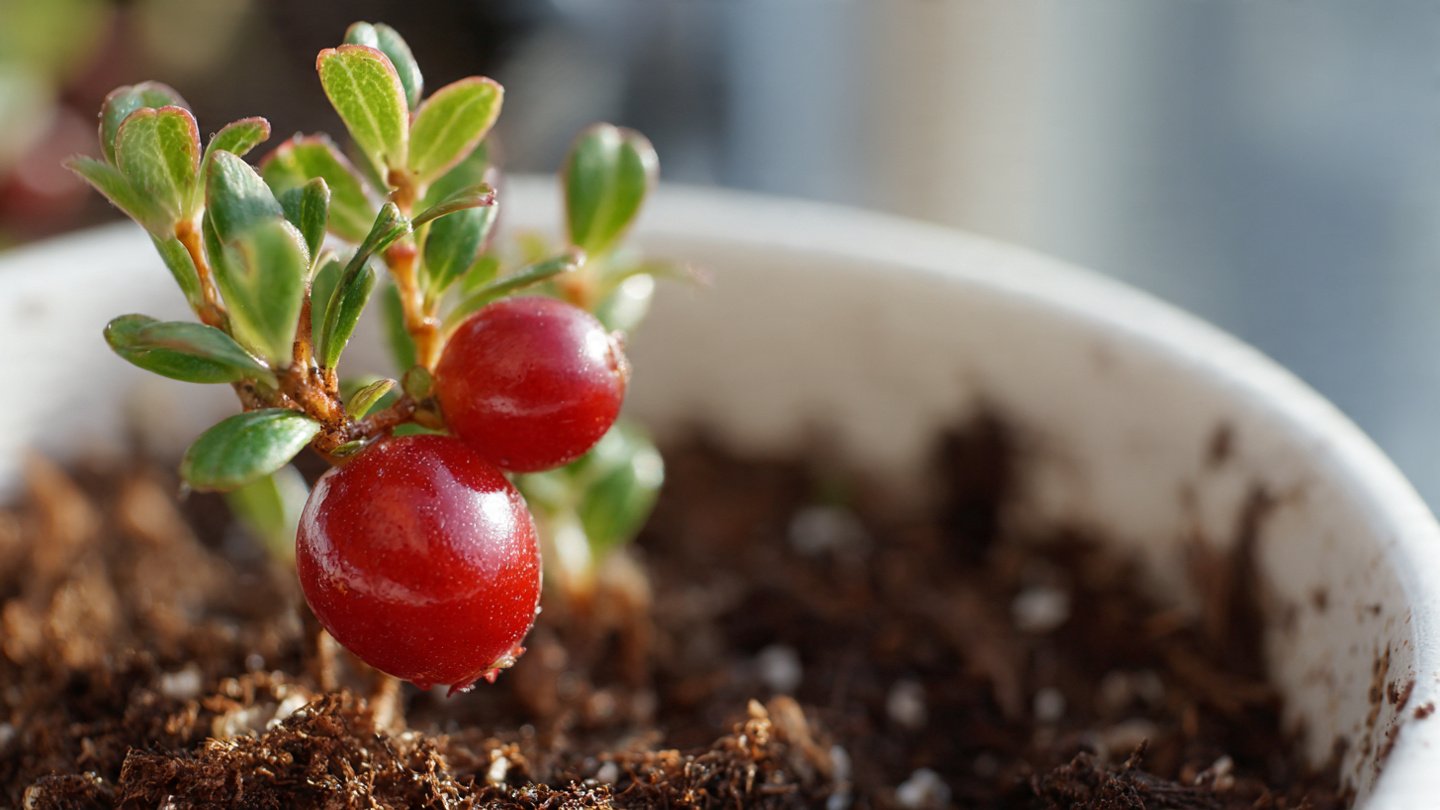
Cranberries are not only a beloved fruit but also a staple in various culinary dishes, especially during festive seasons. Growing cranberries at home can be a rewarding endeavor, particularly for those who enjoy gardening and have a taste for fresh berries. This guide will provide an in-depth look at the process of growing cranberries from seed, covering everything from seed selection to harvesting the fruit.
Understanding Cranberries
Cranberries (Vaccinium macrocarpon) are native to North America and thrive in acidic, sandy soil. They grow as low-lying vines and are typically found in boggy wetlands. Due to their unique growth requirements, having a keen understanding of their natural habitat is essential for successful cultivation at home.
Latest Posts
- Easy Steps to Successfully Grow Bhindi in Grow Bags at Home
- Easy Steps to Grow a Healthy Guava Bonsai at Home for Beginners
- How to Successfully Grow and Cultivate White Strawberry Plants at Home for Delicious and Unique Fruits
- Ultimate Guide to Successfully Growing Weeping Fig Outdoors with Proven Techniques and Expert Tips
- How to Successfully Grow Flemish Beauty Pear Trees in Canada for Optimal Harvest
- Easy Hack to Grow Strawberries Year Round in Your Home Garden for Delicious Harvests
- Growing Flemish Beauty Pears in Canada A Complete Guide for Local Gardens
- The Ultimate Guide to Growing Hibiscus Plants Year Round for Vibrant Blooms and Healthy Foliage
- Easy Ways to Boost the Growth Rate of Your Indoor Peace Lily for Lush Green Foliage
- How to Successfully Grow Oak Leaf Lettuce in Your Home Garden for Fresh and Flavorful Salads
Benefits of Growing Cranberries
- Freshness: Home-grown cranberries are fresher and tastier than store-bought berries.
- Health Benefits: Rich in antioxidants and vitamin C, cranberries offer numerous health benefits.
- Satisfaction: The joy of growing your own food cannot be underestimated. Watching your plants flourish can be incredibly fulfilling.
Step-by-Step Guide to Growing Cranberries from Seed
Step 1: Acquiring Seed
Start by sourcing high-quality cranberry seeds. These can often be purchased from gardening stores or online retailers. Ensure you choose varieties that are well-suited to your growing conditions.
Step 2: Preparing the Seeds for Planting
Cranberry seeds have a tough outer shell, so pre-treatment is often necessary to enhance germination rates. Here’s how to prepare your seeds:

-
Cold Stratification: Place seeds in a plastic bag with some damp sphagnum moss or paper towel. Store this bag in the refrigerator for about 8-12 weeks. This mimics winter conditions, which helps break dormancy.
-
Check Moisture: Ensure the moss or towel remains moist but not soaking. Check occasionally.
Step 3: Selecting the Right Location
Cranberries thrive in acidic soils and require at least six hours of sunlight daily. Choose a location with the following characteristics:
- Sunlight: Sunny spots are essential for fruit production.
- Soil: Aim for sandy loam that is slightly acidic (pH 4.5-5.5).
- Drainage: Well-drained soil prevents waterlogging, which can harm roots.
Step 4: Preparing the Soil
Before planting, prepare your soil by following these steps:
-
Test Soil pH: Consider using a soil testing kit to check the pH. Adjust if necessary by adding sulfur to lower pH.
-
Amendments: Mix in plenty of organic matter such as compost. This improves soil structure and nutrient capacity.
-
Tilling: Loosen the soil to a depth of at least 12 inches to facilitate root growth.

Step 5: Sowing the Seeds
Once the seeds have undergone cold stratification, they can be sown. Follow these guidelines:
- Timing: Plant seeds in late spring after the last frost.
- Spacing: Plant seeds about 1-2 inches apart and cover them with 1/4 inch of soil.
- Watering: Use a gentle spray to moisten the soil after planting. Keep the soil moist throughout the germination period.
Step 6: Caring for Young Plants
Once the seeds germinate, typically within 2-3 weeks, focus on care to ensure healthy growth:
- Watering: Keep the soil consistently moist but not soggy. Regular watering is crucial, especially during dry spells.
- Weed Control: Regularly check for weeds, as they can compete for nutrients.
- Mulching: Apply a layer of mulch around the plants to retain moisture and suppress weeds.

Step 7: Transplanting
When the plants reach about 4-6 inches in height and are sturdy (usually after a year), you can consider transplanting them:
- Preparation: Choose a bog-like environment or raised beds filled with acidic soil.
- Transplanting: Carefully lift the plants and replant them while being cautious not to damage the roots.
Step 8: Investing in Care
Cranberries require special attention to thrive:
- Fertilizing: Use a fertilizer specifically formulated for acid-loving plants during the growing season. Follow the manufacturer’s instructions.
- Pest Management: Be vigilant about pests such as aphids and cranberry weevils. Use organic insecticides if necessary.
- Disease Management: Monitor your plants for signs of fungal infections. Practices like crop rotation can help mitigate risk.
Step 9: Preparing for Harvest
Cranberries typically take 2-3 years before they start yielding fruit. When harvested, the berries should be fully colored. Here’s what to look for:
- Color: Ripe cranberries are a deep red color.
- Texture: The berries should be firm to the touch.
- Harvesting Techniques: Use a hand-held rake or basket to collect the berries gently.

Step 10: Post-Harvest Management
After harvesting, focus on the wellbeing of your plants for their continued productivity:
- Pruning: Cut back canes that are more than two years old to promote new growth.
- Covering: In winter, a layer of mulch can help protect the plants from freezing temperatures.
Frequently Asked Questions (FAQs)
1. Can I grow cranberries in pots?
Yes, you can grow cranberries in pots, but ensure the container has excellent drainage. Use acidic potting soil and keep the pot well-watered.
2. How long does it take for cranberry seeds to germinate?
Cranberry seeds typically germinate within 2-3 weeks under optimal conditions.
3. What is the best time to plant cranberry seeds?
Plant cranberry seeds in late spring after the last frost for the best results.

4. Do cranberries require a lot of water?
Cranberries thrive in damp environments, so they require consistent moisture, especially during dry spells.
5. What pests should I be wary of while growing cranberries?
Common pests include aphids and cranberry weevils. Regular checks and organic pesticides can help control infestations.
6. Do I need to prune cranberry plants?
Yes, pruning is beneficial to remove old canes and encourage new growth, leading to a healthier and more productive plant.
7. How do I know when to harvest cranberries?
Harvest cranberries when they are fully red and firm to the touch, usually in late fall.
8. Can I grow cranberries in non-boggy conditions?
While cranberries prefer boggy conditions, they can be grown in raised beds with properly prepared acidic soil.
Conclusion
Growing cranberries from seed at home can seem challenging initially, but with the right tools and knowledge, it is entirely feasible. By following this guide, you can enjoy the fruits of your labor, both literally and figuratively, as you cultivate this delicious and nutritious berry. Happy planting!