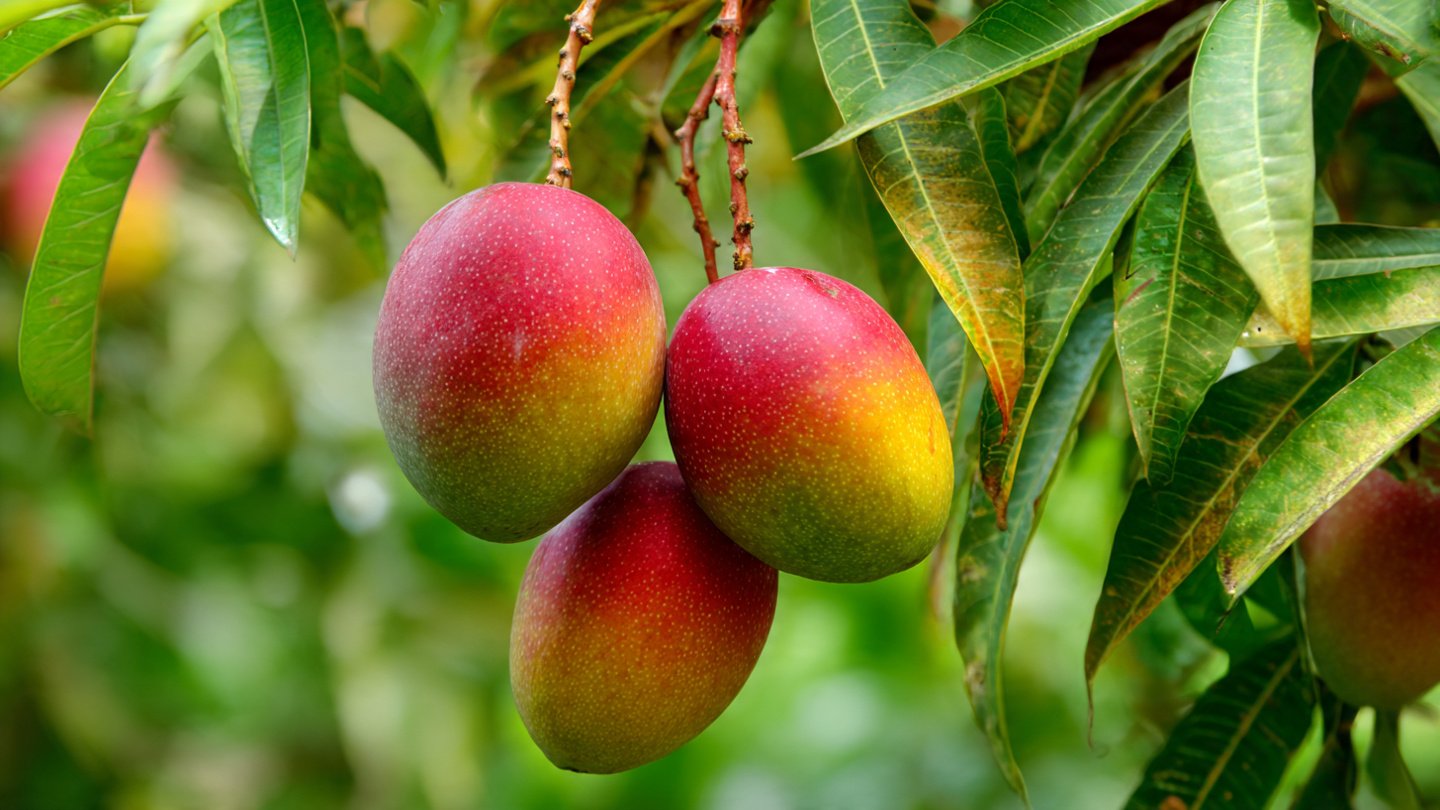
Dwarf mangoes are among the most coveted fruit trees for home gardeners, combining the delicious taste of fresh mangoes with the convenience of container gardening. These compact varieties can thrive in smaller spaces, making them ideal for balconies, patios, or small yards. In this comprehensive guide, we will explore everything you need to know about growing dwarf mangoes in containers, along with tips, tricks, and a FAQ section at the end to address common questions.
Understanding Dwarf Mangoes
What are Dwarf Mangoes?
Latest Posts
- Easy Steps to Successfully Grow Bhindi in Grow Bags at Home
- Easy Steps to Grow a Healthy Guava Bonsai at Home for Beginners
- How to Successfully Grow and Cultivate White Strawberry Plants at Home for Delicious and Unique Fruits
- Ultimate Guide to Successfully Growing Weeping Fig Outdoors with Proven Techniques and Expert Tips
- How to Successfully Grow Flemish Beauty Pear Trees in Canada for Optimal Harvest
- Easy Hack to Grow Strawberries Year Round in Your Home Garden for Delicious Harvests
- Growing Flemish Beauty Pears in Canada A Complete Guide for Local Gardens
- The Ultimate Guide to Growing Hibiscus Plants Year Round for Vibrant Blooms and Healthy Foliage
- Easy Ways to Boost the Growth Rate of Your Indoor Peace Lily for Lush Green Foliage
- How to Successfully Grow Oak Leaf Lettuce in Your Home Garden for Fresh and Flavorful Salads
Dwarf mangoes are specially bred varieties of the traditional mango tree (Mangifera indica) that have been developed to grow to a maximum height of 3 to 6 feet. These trees still produce full-sized mangoes but in a compact form that makes them perfect for container cultivation.
Popular Dwarf Mango Varieties
- ‘Honey’ (Haden mango): Sweet and juicy with a vibrant yellow-orange color when ripe.
- ‘Pineapple’: Known for its unique flavor resembling that of a pineapple, with a firm texture.
- ‘Julie’: A small, sweet fruit with a smooth skin that ripens to a lovely yellow color.
Benefits of Growing Dwarf Mangoes in Containers
- Space Efficiency: Perfect for small gardens, patios, or even entryways.
- Mobility: Can be moved indoors during cold weather or to optimize sunlight exposure.
- Control Over Soil Quality: Container gardening allows for tailored soil conditions to suit the plant’s needs.

Selecting the Right Container and Soil
Choosing the Container
Selecting the right container is crucial for dwarf mango growth. Here are some factors to consider:
- Size: Choose a container that is at least 10 to 15 gallons in size. A larger container will provide more room for root growth.
- Material: Options include plastic, terracotta, or wood. Ensure the container has good drainage; plastic is often lighter and retains moisture better, while terracotta can regulate temperature.
- Drainage Holes: Ensure the container has multiple drainage holes to prevent root rot.
Soil Requirements
Dwarf mangoes prefer well-draining soil. A mix of the following will work best:
- Potting Soil: A high-quality potting mix as a base.
- Sand: To enhance drainage.
- Perlite or Vermiculite: For improved aeration and moisture retention.
Aim for a soil pH between 5.5 and 7.0 for optimal growth.

Planting Your Dwarf Mango
When to Plant
The best time to plant dwarf mangoes is in spring when temperatures start to rise. This ensures that the plant gets ample sunlight and warmth during its growing season.
How to Plant
- Preparation: Fill your container with the soil mix, leaving about 2-3 inches of space at the top.
- Planting: Create a hole in the center for the mango tree roots. Place the sapling or seedling in the hole, ensuring that the root ball sits at the same level as the soil surface.
- Backfill: Gently fill in around the roots with soil, pressing lightly to eliminate air pockets.
- Watering: Water the newly planted mango thoroughly.
Care and Maintenance
Watering
Dwarf mangoes need consistent moisture, especially during the growing season. Here’s how to water effectively:
- Frequency: Water when the top inch of soil feels dry to the touch.
- Method: Ensure drainage; avoid letting water sit in the saucer beneath the pot.

Fertilizing
Feed your dwarf mango every few months with a balanced, slow-release fertilizer that is high in potassium and magnesium. Look for fertilizers specifically formulated for fruit trees, or consider organic options such as compost or well-rotted manure.
Pruning
Regular pruning is critical in maintaining the size and health of your dwarf mango. Prune during the dormant season (late winter to early spring) to:
- Shape the tree
- Remove dead or diseased branches
- Promote better airflow and sunlight penetration
Pest and Disease Management
Dwarf mangoes can be susceptible to pests like aphids, mealybugs, and spider mites. To manage pests:
- Regular Inspection: Check your plants regularly.
- Organic Pesticides: Use insecticidal soap or neem oil as needed.
- Encourage Beneficial Insects: Ladybugs and lacewings can help control pest populations.

Temperature and Sunlight
Mango trees prefer full sun, so place your container in a location that receives at least 6-8 hours of direct sunlight a day. They thrive in warm temperatures but can be sensitive to frost. If you live in a cooler climate, consider moving your pot indoors during winter or covering it with frost cloth.
Harvesting Dwarf Mangoes
Dwarf mango trees typically begin to bear fruit after 3-4 years. Here’s how to know when they are ready to be harvested:
- Color Change: Mangoes will turn from green to a golden-yellow or red hue.
- Feel: Squeeze gently; ripe mangoes will yield slightly under pressure.
- Fragrance: Ripe mangoes emit a sweet, fruity aroma.
Use a sharp pair of garden shears to cut the mango from the tree, leaving a small stem attached for freshness.
Frequently Asked Questions (FAQs)
1. Can I grow dwarf mangoes indoors?
Yes, you can grow them indoors, but ensure they receive adequate sunlight (at least 6 hours of direct light), and provide humidity by misting or using a humidity tray.
2. How often should I fertilize my dwarf mango tree?

Fertilize every 2-3 months during the growing season (spring and summer) with a balanced fertilizer, or as needed if you observe nutrient deficiencies.
3. What pests should I watch for?
Common pests include aphids, mealybugs, scale insects, and spider mites. Inspect the leaves regularly and treat promptly if you find any infestations.
4. How do I prune my dwarf mango tree?
Prune during late winter or early spring. Remove dead or crossing branches, and trim to shape the tree while allowing sunlight to penetrate the canopy.
5. Will my dwarf mango tree produce fruit every year?
While many dwarf mango varieties can bear fruit annually, some may alternate years of heavy and light fruiting. Proper care can help maximize fruit production.
Conclusion
Cultivating dwarf mangoes in containers offers a rewarding experience for any home gardener. With the right container, quality soil, careful planting, and ongoing maintenance, you can enjoy delicious, homegrown mangoes even in small spaces. Whether you are looking to add a touch of tropical flair to your garden or simply indulge in the joy of home gardening, dwarf mangoes are an excellent choice. Happy gardening!