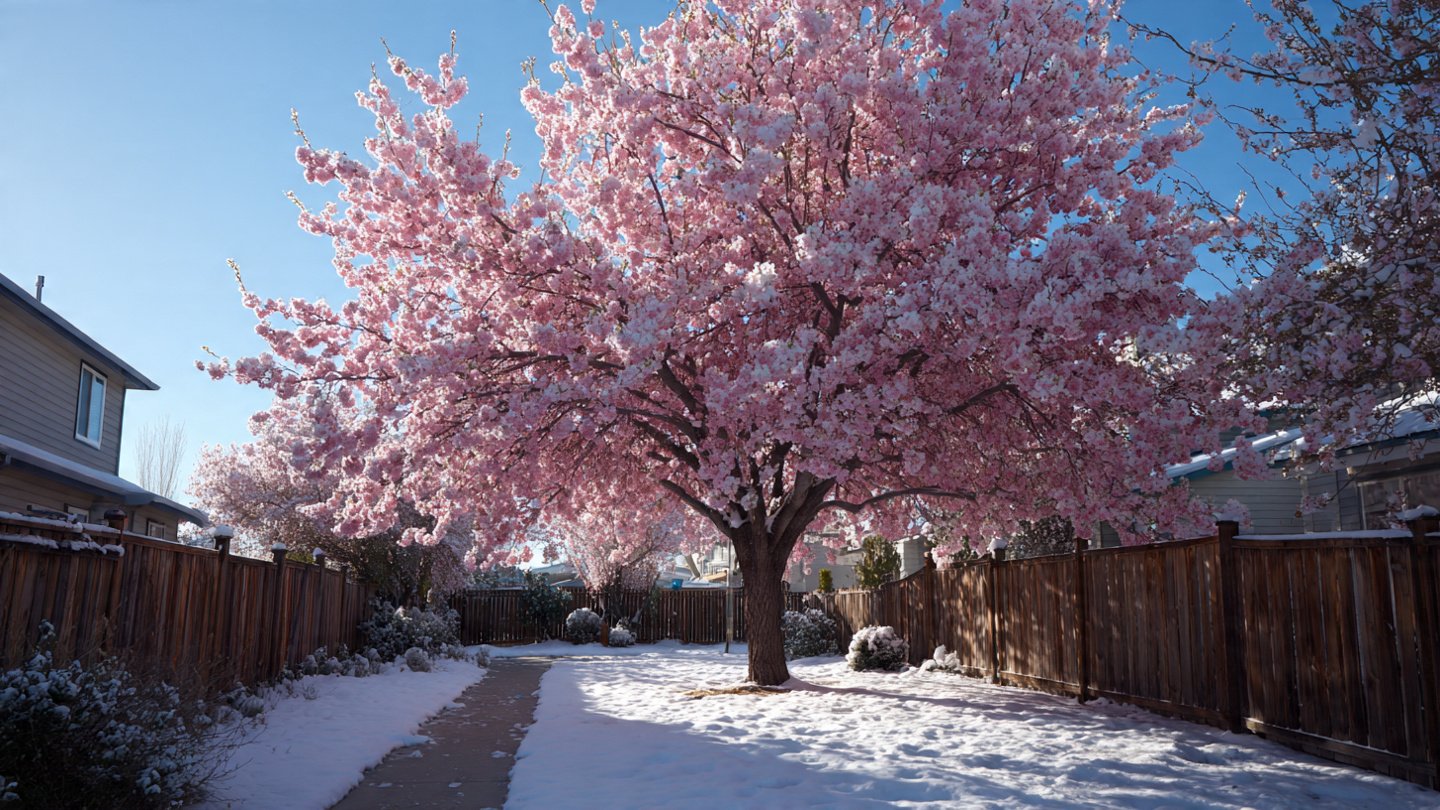
Growing fruit trees in your backyard can be a rewarding and fruitful endeavor. Among the various options, the North Star cherry tree stands out for its compact size, hardiness, and delicious fruit. In this article, not only will we explore the advantages and characteristics of North Star cherry trees, but we’ll also guide you through the complete process of planting and caring for them, ensuring the best possible yield in your own backyard.
Introduction to North Star Cherry Trees
The North Star cherry tree (Prunus cerasus) is a dwarf tart cherry variety known for its hardiness and adaptability. It typically grows to a height of about 8 to 10 feet, making it a perfect choice for home gardeners with limited space. The tree produces fragrant white flowers in spring, which give way to dark red cherries in mid-summer. These cherries are not only delicious for fresh eating but are also excellent for preserves, pies, and other culinary delights.
Latest Posts
- Easy Steps to Successfully Grow Bhindi in Grow Bags at Home
- Easy Steps to Grow a Healthy Guava Bonsai at Home for Beginners
- How to Successfully Grow and Cultivate White Strawberry Plants at Home for Delicious and Unique Fruits
- Ultimate Guide to Successfully Growing Weeping Fig Outdoors with Proven Techniques and Expert Tips
- How to Successfully Grow Flemish Beauty Pear Trees in Canada for Optimal Harvest
- Easy Hack to Grow Strawberries Year Round in Your Home Garden for Delicious Harvests
- Growing Flemish Beauty Pears in Canada A Complete Guide for Local Gardens
- The Ultimate Guide to Growing Hibiscus Plants Year Round for Vibrant Blooms and Healthy Foliage
- Easy Ways to Boost the Growth Rate of Your Indoor Peace Lily for Lush Green Foliage
- How to Successfully Grow Oak Leaf Lettuce in Your Home Garden for Fresh and Flavorful Salads
Benefits of Growing North Star Cherry Trees
-
Compact Size: Ideal for small gardens or urban settings, allowing you to enjoy fresh fruit without needing a sprawling orchard.
-
Hardy Nature: North Star cherry trees are resistant to many common diseases and pests, making them a low-maintenance option.
-
Delicious Fruit: The cherries are sweet-tart, perfect for fresh eating or cooking, and they’re particularly rich in antioxidants.
-
Attractive Tree: With its beautiful spring blooms and vibrant fruit, the North Star cherry tree adds aesthetic value to your landscape.
-
Pollination-Friendly: While self-pollinating, planting more than one tree can enhance fruit set and yield.
Site Selection and Preparation
Before planting your North Star cherry tree, you must choose the right location and prepare the soil adequately.
Choosing the Right Location
-
Sunlight: North Star cherry trees thrive in full sun, requiring at least 6 to 8 hours of direct sunlight daily. A sunny spot will encourage robust growth and fruit production.
-
Spacing: If planting multiple trees, allow at least 4 to 5 feet between each tree to ensure good air circulation and access to sunlight.
-
Drainage: The tree prefers well-drained soil. Avoid areas where water tends to pool, as this can lead to root rot and other issues.
Soil Preparation
-
Soil Type: North Star cherry trees prefer sandy loam or loamy soil rich in organic matter, but they can adapt to various soil types as long as they are well-drained.
-
pH Level: Aim for a soil pH between 6.0 and 7.0. You can test the soil using a pH meter or testing kit, commonly available at gardening centers.
-
Soil Amendments: If your soil is compacted or lacking nutrients, incorporate organic compost or well-rotted manure before planting to enhance fertility and drainage.
Planting Your North Star Cherry Tree
Now that you’ve prepared your site, it’s time to plant your North Star cherry tree.
When to Plant
The best time to plant a North Star cherry tree is during early spring or late fall when the tree is dormant. This allows the roots to establish before the growing season begins.
Planting Steps
-
Dig the Hole: Dig a hole that is twice as wide and the same depth as the root ball. This will encourage outward root growth.
-
Remove the Tree from Its Container: Gently remove the tree from its pot, taking care not to damage the roots.
-
Position the Tree: Place the tree in the center of the hole, ensuring that the graft union (swelling at the base) is slightly above soil level.
-
Backfill with Soil: Fill the hole with the original soil, tamping gently to remove air pockets. Ensure the tree is straight and stable.
-
Water Thoroughly: Water the tree deeply immediately after planting to settle the soil around the roots.
Mulching
Apply a layer of mulch (wood chips or straw) around the base of the tree, keeping it about 6 inches away from the trunk. Mulching helps retain moisture, suppresses weeds, and regulates soil temperature.
Care and Maintenance
Ongoing care is crucial for ensuring healthy growth and a bountiful harvest from your North Star cherry tree.
Watering
-
Initial Watering: After planting, water the tree weekly, especially during dry spells. Young trees may need more frequent watering as they establish their root systems.
-
Established Trees: Once established, North Star cherry trees generally require about an inch of water per week, either from rainfall or supplemental irrigation.
Fertilization
-
First Year: Withhold fertilizer in the first year to promote natural root development.
-
Following Years: Fertilize in early spring with a balanced fertilizer (10-10-10 or a specialized fruit tree fertilizer) according to package instructions. Avoid over-fertilization, which can lead to weak growth.
Pruning
-
Timing: Prune in late winter or early spring before new growth starts.
-
Technique: Remove dead or diseased branches and any crossing limbs to promote good air circulation. Thin out crowded areas to allow sunlight penetration.
-
Shaping: Aim for an open-center shape to encourage strong branching.
Pest and Disease Management
While North Star cherry trees are relatively resilient, they can still be susceptible to pests and diseases. Here are some common ones:
-
Cherry Fruit Flies: Use traps or comprehensive pest management strategies.
-
Powdery Mildew: Apply fungicides and improve air circulation through proper pruning.
-
Canker: Inspect for signs of cankers and prune affected areas promptly.
-
Fungal Diseases: Ensure proper watering and avoid overhead irrigation to reduce humidity around the tree.
Harvesting Your Cherries
North Star cherries are typically ready to harvest from late June to early July. Look for cherries that are fully colored—deep red—and firm to the touch.
How to Harvest
-
Use Garden Gloves: This helps to avoid damaging the fruit.
-
Twist and Pull: Gently twist and pull the fruit from the stem to avoid breaking the branch.
-
Harvest Regularly: Check your tree every few days to gather ripe fruit.
FAQ Section
1. How tall does a North Star cherry tree grow?
North Star cherry trees typically reach a height of 8 to 10 feet, making them suitable for smaller yards.
2. Do I need more than one tree for pollination?
North Star cherry trees are self-pollinating, but having another cherry variety nearby can increase fruit yields.
3. When do North Star cherry trees bloom?
They typically bloom in spring (April to May), producing beautiful white flowers.
4. What kind of soil do North Star cherry trees prefer?
They prefer well-drained sandy loam or loamy soil with a pH level between 6.0 and 7.0.
5. Can I grow a North Star cherry tree in a pot?
Yes! A North Star cherry tree can adapt to container growth, but ensure the pot is large enough for root development.
6. What are common pests for North Star cherry trees?
Common pests include cherry fruit flies and aphids. Regular inspection and preventive measures can keep these pests at bay.
7. When should I prune my North Star cherry tree?
Prune your tree in late winter or early spring before growth resumes.
8. How often should I water my North Star cherry tree?
Water young trees weekly, and established trees require about an inch of water per week.
9. Are North Star cherries good for canning and cooking?
Absolutely! Their sweet-tart flavor makes them excellent for pies, jams, and other culinary creations.
10. How long does it take for a North Star cherry tree to bear fruit?
Typically, you can expect fruit in about 3 to 4 years after planting, depending on growing conditions.
Conclusion
Growing a North Star cherry tree in your backyard can be an enjoyable and fruitful endeavor. With proper planning, site selection, care, and maintenance, you can cultivate a healthy tree that rewards you with delicious cherries for years to come. Whether for fresh eating, cooking, or preserving, the North Star cherry tree adds beauty and bounty to any garden. Happy gardening!