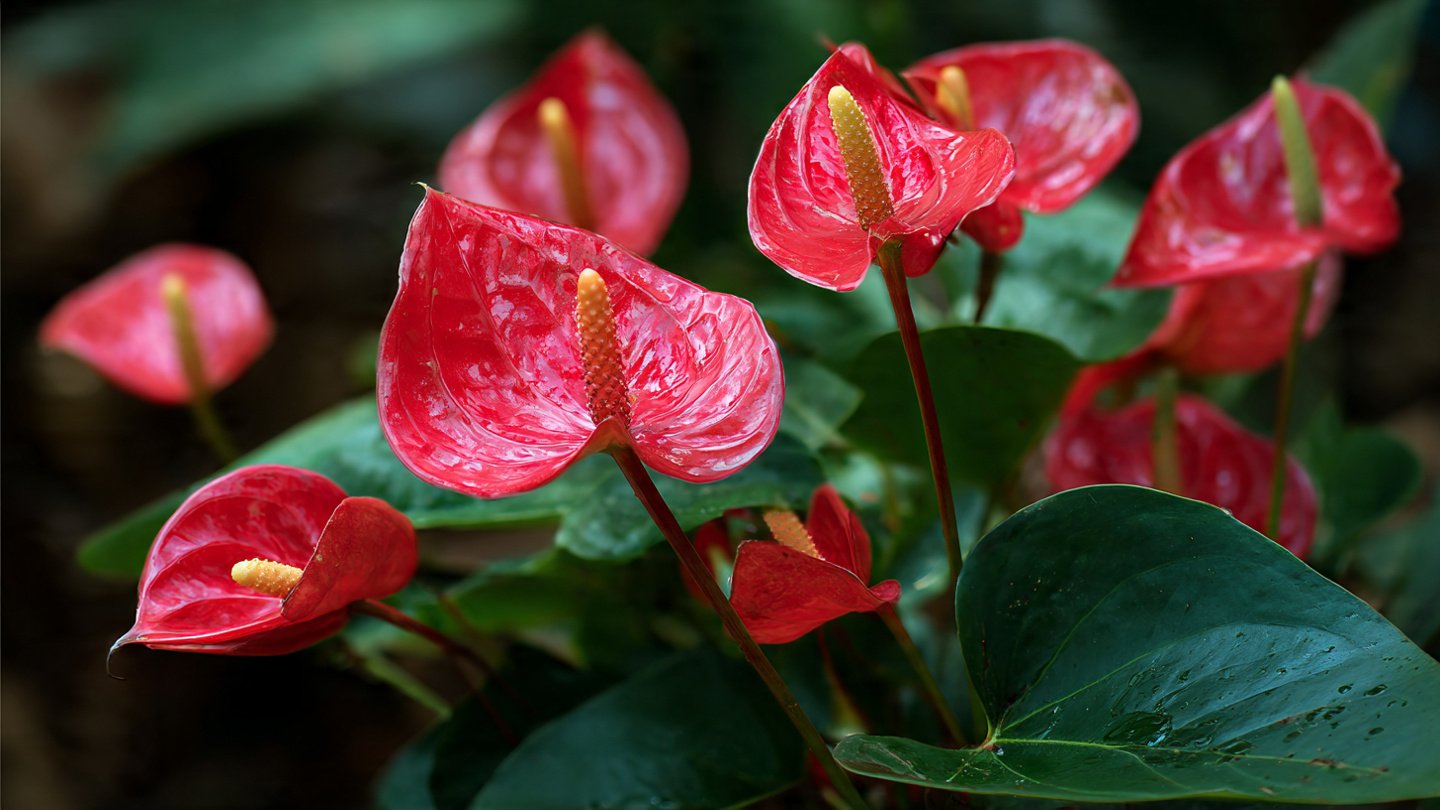
Anthuriums are one of the most elegant and striking houseplants, known for their glossy leaves and vibrant red flowers. These tropical plants are native to Central and South America and are regarded as symbols of hospitality, making them a perfect addition to any indoor or outdoor space. If you’re keen on growing these vibrant plants in pots, this guide will provide you with simple yet essential guidelines for ensuring your Anthurium thrives.
1. Choosing the Right Pot
Size Matters
Latest Posts
- Easy Steps to Successfully Grow Bhindi in Grow Bags at Home
- Easy Steps to Grow a Healthy Guava Bonsai at Home for Beginners
- How to Successfully Grow and Cultivate White Strawberry Plants at Home for Delicious and Unique Fruits
- Ultimate Guide to Successfully Growing Weeping Fig Outdoors with Proven Techniques and Expert Tips
- How to Successfully Grow Flemish Beauty Pear Trees in Canada for Optimal Harvest
- Easy Hack to Grow Strawberries Year Round in Your Home Garden for Delicious Harvests
- Growing Flemish Beauty Pears in Canada A Complete Guide for Local Gardens
- The Ultimate Guide to Growing Hibiscus Plants Year Round for Vibrant Blooms and Healthy Foliage
- Easy Ways to Boost the Growth Rate of Your Indoor Peace Lily for Lush Green Foliage
- How to Successfully Grow Oak Leaf Lettuce in Your Home Garden for Fresh and Flavorful Salads
Start by selecting a pot that provides ample room for your anthurium to grow. A pot that is too small can restrict root growth while a pot that is too large may retain too much moisture, leading to root rot.
Material Considerations
Terracotta pots are ideal for anthuriums because they are porous and allow for breathability. However, plastic pots may be used as long as they have sufficient drainage holes.
2. Ideal Soil Type
Anthuriums prefer a well-draining, aerated soil mixture. A recommended blend consists of:
- Peat Moss: For moisture retention.
- Perlite or Orchid Bark: To improve aeration and drainage.
- Coconut Coir: Enhances water retention without making the soil too heavy.
This mix will mimic the plant’s natural habitat, promoting healthy growth and preventing root diseases.

3. Proper Watering Techniques
Frequency
Anthuriums thrive when the soil is kept slightly moist but not soggy. Watering every 1–2 weeks is typically adequate, but this may vary depending on humidity, temperature, and pot size. Always check the top inch of the soil; if it’s dry, it’s time for watering.
Water Quality
Use room temperature water, preferably rainwater or distilled water, as tap water containing chemicals can be detrimental to your plant’s health.
4. Light Requirements
Bright, Indirect Light
Anthuriums prefer bright, indirect sunlight. Direct sunlight can scorch their leaves, while too little light can inhibit flowering. A north or east-facing window is often ideal.
Benefits of Supplementary Lighting
In case you cannot provide enough natural light, consider using grow lights. LED grow lights can significantly enhance flowering and growth.
5. Temperature and Humidity
Temperature Ranges
This tropical plant prefers temperatures between 65°F to 80°F (18°C to 27°C). Sudden changes in temperature can stress the plant, so maintain a stable environment.
Humidity Levels
High humidity is essential for anthuriums to thrive. Aim for humidity levels between 50% to 80%. You can increase humidity by:
- Using a Humidifier: This helps maintain consistent humidity levels.
- Pebble Trays: Place your pot on a tray filled with pebbles and water to provide localized humidity.
- Regular Mistings: Lightly misting the leaves can also help.
6. Fertilization Practices
When to Fertilize
Apply a balanced, water-soluble fertilizer every 4–6 weeks during the growing season (spring and summer). Reduce or stop fertilization during the dormant months (fall and winter).
Types of Fertilizer
An ideal fertilizer for anthuriums will have a ratio like 30-10-10 or similar. Always dilute the fertilizer to half the recommended strength to prevent root burn.
7. Pruning and Grooming
Removing Dead Leaves
Regularly check for and prune any dead or yellowing leaves. This not only improves the plant’s appearance but also encourages healthy growth.
Flower Spent Removal
To encourage more blooms, remove spent flowers by cutting them at the base of their stems. This helps the plant redirect energy towards new growth.

8. Common Pests and Diseases
Pests
Anthuriums can be susceptible to pests such as:
- Spider Mites: They thrive in dry conditions. Increase humidity to keep these pests at bay.
- Mealybugs and Aphids: Treat infestations with insecticidal soap or neem oil.
Diseases
Root rot is a primary concern for anthurium owners. To avoid this, ensure proper drainage and avoid heavy watering. If root rot occurs, remove the plant from the pot, trim off affected roots, and repot in fresh soil.
9. Repotting
When to Repot
Repot your anthurium every 1–2 years or when you notice root-bound conditions (roots growing out of drainage holes). This is also a good time to refresh the soil.
Repotting Steps
- Water your plant a day before repotting to ease removal from the pot.
- Gently remove the plant, loosening the soil from the roots.
- Trim any damaged or rotting roots.
- Fill the new pot with fresh soil and plant your anthurium at the same depth as before.

10. Propagation Techniques
Anthuriums can be propagated through division or by offsets. Follow these steps for successful propagation:
Division
- Carefully remove the plant from its pot.
- Identify sections with healthy roots to separate.
- Repot these sections in their own containers using fresh potting mix.
Offsets
Offsets are small plants that grow near the base. These can also be separated and potted in fresh soil.
Conclusion
Growing vibrant red anthuriums in pots can be a rewarding experience. With the right care regarding light, watering, humidity, and pest control, you can enjoy these stunning plants in your home. Follow the guidelines discussed here, and you will have healthy, flourishing anthuriums that will brighten your environment for years to come.
FAQs
Can I grow anthuriums indoors?
Yes, anthuriums thrive indoors, provided they receive bright, indirect light and humidity levels are maintained.
How often should I water my anthurium?
Water your anthurium every 1–2 weeks, ensuring the top inch of the soil is dry before watering again.
Is it necessary to fertilize my anthurium?
While not absolutely necessary, regular fertilization during the growing season significantly boosts growth and flowering.
What should I do if my anthurium leaves are turning yellow?
Yellowing leaves can indicate overwatering or insufficient light. Check the watering schedule and lighting conditions.
How can I increase humidity for my anthurium?
You can increase humidity by using a humidifier, placing a pebble tray under the pot, or misting the leaves regularly.
Can I keep anthuriums outside?
Anthuriums can be placed outside in shaded areas but should be brought inside during cold weather. Make sure they are protected from harsh sunlight.
By following these guidelines, you can embark on a successful journey of growing vibrant red anthuriums in pots, turning your living space into a lush, tropical paradise. Happy gardening!