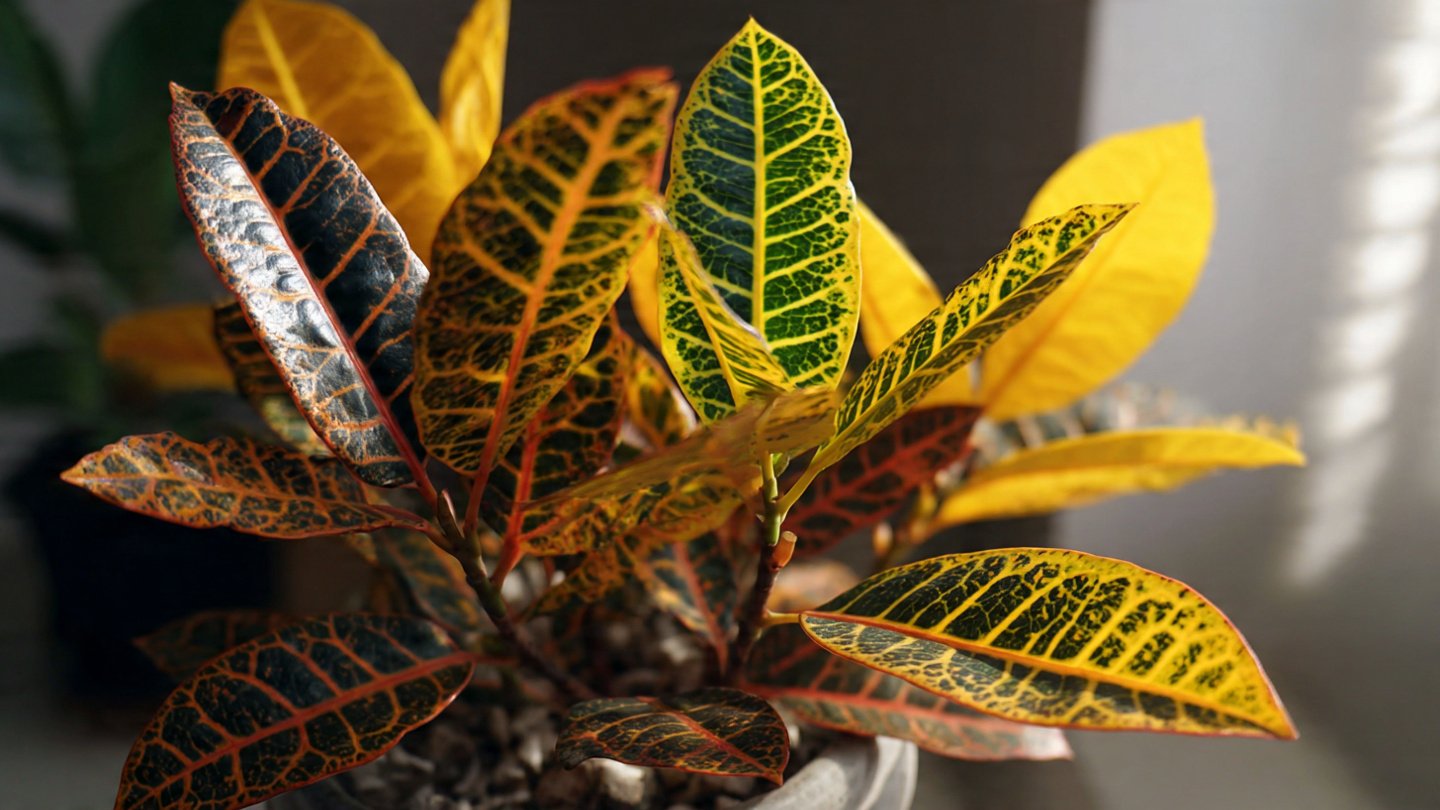
Croton Petra, known for its vibrant, multicolored leaves, is an excellent choice for those looking to add a splash of color to their indoor spaces. With their striking foliage, Croton Petra plants not only serve as striking décor but also improve indoor air quality. This guide will walk you through the steps needed to grow and care for this stunning plant, ensuring it thrives in your home.
1. Understanding Croton Petra
1.1 Overview
Latest Posts
- Easy Steps to Successfully Grow Bhindi in Grow Bags at Home
- Easy Steps to Grow a Healthy Guava Bonsai at Home for Beginners
- How to Successfully Grow and Cultivate White Strawberry Plants at Home for Delicious and Unique Fruits
- Ultimate Guide to Successfully Growing Weeping Fig Outdoors with Proven Techniques and Expert Tips
- How to Successfully Grow Flemish Beauty Pear Trees in Canada for Optimal Harvest
- Easy Hack to Grow Strawberries Year Round in Your Home Garden for Delicious Harvests
- Growing Flemish Beauty Pears in Canada A Complete Guide for Local Gardens
- The Ultimate Guide to Growing Hibiscus Plants Year Round for Vibrant Blooms and Healthy Foliage
- Easy Ways to Boost the Growth Rate of Your Indoor Peace Lily for Lush Green Foliage
- How to Successfully Grow Oak Leaf Lettuce in Your Home Garden for Fresh and Flavorful Salads
Croton Petra (Codiaeum variegatum) is a tropical plant native to Southeast Asia. It is part of the Euphorbiaceae family and is especially beloved for its eye-catching leaves, which can feature a combination of yellow, green, orange, and red hues. This hardy plant can grow up to 3 feet tall when nurtured properly, making it a vibrant focal point in any room.
1.2 Choosing the Right Variety
While Croton Petra is the most recognized variety, several other crotons offer unique foliage colors and patterns. Some popular variants include:
- Gold Star: Features golden-yellow leaves.
- Mammy: Displays narrow, twisted leaves with a mix of yellow, green, and burgundy.
- Chip: Compact growth with a colorful display.
Choosing the right variety will depend on your aesthetic preferences and the specific environment where the plant will thrive.
2. Ideal Growing Conditions
2.1 Light Requirements
Croton Petra prefers bright, indirect light to flourish. While it can tolerate some direct sunlight, too much can scorch its leaves. If you’re placing it near a window, consider filtered sunlight or sheer curtains to diffuse harsh rays.
2.2 Temperature and Humidity
Crotons are tropical plants that thrive in warm and humid conditions. The ideal temperature range is between 60°F to 85°F (15°C to 29°C). However, they can be sensitive to drafts and sudden temperature changes, so placing them away from air conditioning vents and cold windows is crucial.
For humidity, aim for levels above 40%. You can increase humidity by misting the leaves regularly or using a pebble tray with water underneath the plant.
2.3 Soil Composition
The ideal soil for Croton Petra should be well-draining yet moisture-retentive. A mix of potting soil with perlite or sand is excellent for ensuring proper drainage. This prevents root rot, a common issue with overwatering.
2.4 Pot Selection
Choose a pot that has drainage holes to prevent water accumulation. Terracotta pots are a good option, as they allow for better airflow to the roots. Ensure that the pot is appropriately sized—too small can restrict growth, while too large may cause overwatering issues.
3. Planting Croton Petra
3.1 Propagation Methods
Croton Petra can be propagated through stem cuttings or by division. Here’s how:
-
Stem Cuttings: Take 4-6 inch cuttings from a healthy plant. Remove the lower leaves and place the cut end in water or a moistened potting mix. Ensure indirect light and maintain moisture.
-
Division: This method is best for established plants. Carefully divide the root ball into sections, ensuring each has roots and foliage. Re-pot the sections in fresh soil.
3.2 Planting Steps
-
Prepare the Pot: Fill the pot with the chosen soil mix, ensuring it is moist but not waterlogged.
-
Place the Plant: If planting as a cutting, insert it into the soil, covering the lower nodes. For division, position the roots carefully in the soil.
-
Water Generously: After planting, water thoroughly, allowing excess water to drain.
-
Placement: Set the pot in a suitable location with access to bright, indirect sunlight.
4. Care and Maintenance
4.1 Watering Schedule
Croton Petra prefers a consistent watering schedule. Water when the top inch of soil feels dry, ensuring the plant doesn’t sit in water. During warmer months, weekly watering may be necessary, while in cooler months, reduce frequency.
4.2 Fertilization
During the growing season (Spring and Summer), feed your Croton Petra with a balanced liquid fertilizer every 4-6 weeks. Choose a fertilizer high in nitrogen to promote robust leaf growth and vibrant colors. Reduce or stop fertilization during Fall and Winter when the plant enters dormancy.
4.3 Pruning
Regular pruning helps maintain the shape of the plant and encourages bushier growth. Remove any dead or yellowing leaves, and prune back to shape the plant as desired. Make cuts just above a leaf node to promote branching.
4.4 Pest and Disease Management
Common pests affecting Croton Petra include spider mites, mealybugs, and aphids. To control these, regularly inspect your plant:
- Insecticidal Soap: This can be used to wash away pests.
- Neem Oil: An organic solution that can deter pests without harming the plant.
Fungal diseases can occur with overwatering. Ensure good air circulation and allow the soil to dry out between watering to prevent these issues.
5. Additional Tips for Thriving Croton Petra
-
Rotate Your Plant: Every few weeks, rotate your Croton Petra to ensure even light exposure on all sides.
-
Leaf Care: Wipe leaves occasionally with a damp cloth to remove dust. This allows better light absorption and maintains the plant’s health.
-
Monitor for Changes: If your Croton starts losing its vibrancy or dropping leaves, reassess its environment. Check light, water, and humidity levels.
-
Handling Toxicity: Keep in mind that while Croton Petra is a beautiful addition to any home, it is toxic if ingested. Keep it out of reach of pets and children.

6. Frequently Asked Questions (FAQs)
6.1 How often should I water Croton Petra?
Water when the top inch of soil feels dry. Typically, this equates to once a week in warmer months and less frequently during colder months.
6.2 Can Croton Petra survive in low light?
Though it may survive, its colors will dull, and growth will stagnate. Croton Petra thrives best in bright, indirect light.
6.3 Is Croton Petra safe for pets?
No, Croton Petra is toxic to pets and humans if ingested. Keep it out of reach of animals and small children.
6.4 Why are the leaves of my Croton Petra dropping?
Leaf drop can result from environmental changes, overwatering, or inadequate light. Check for sudden temperature fluctuations or changes in watering habits.
6.5 How can I increase humidity for my Croton Petra?
You can increase humidity by misting the leaves, using a humidity tray, or placing a small humidifier nearby.
6.6 How big can Croton Petra grow indoors?
Indoors, Croton Petra typically reaches heights of 2-3 feet. With proper care, they can grow larger over time.
6.7 Can I prune my Croton Petra?
Yes, regular pruning helps maintain shape and encourages bushier growth. Remove any dead or yellowing leaves as needed.
Conclusion
Growing Croton Petra can transform your indoor space into a vibrant oasis of color and life. By understanding its specific requirements and providing proper care, you can ensure your plant flourishes for years to come. Remember, the joy of plant care is not just in the beauty of the plant but also in the knowledge and love that goes into nurturing it. Happy growing!