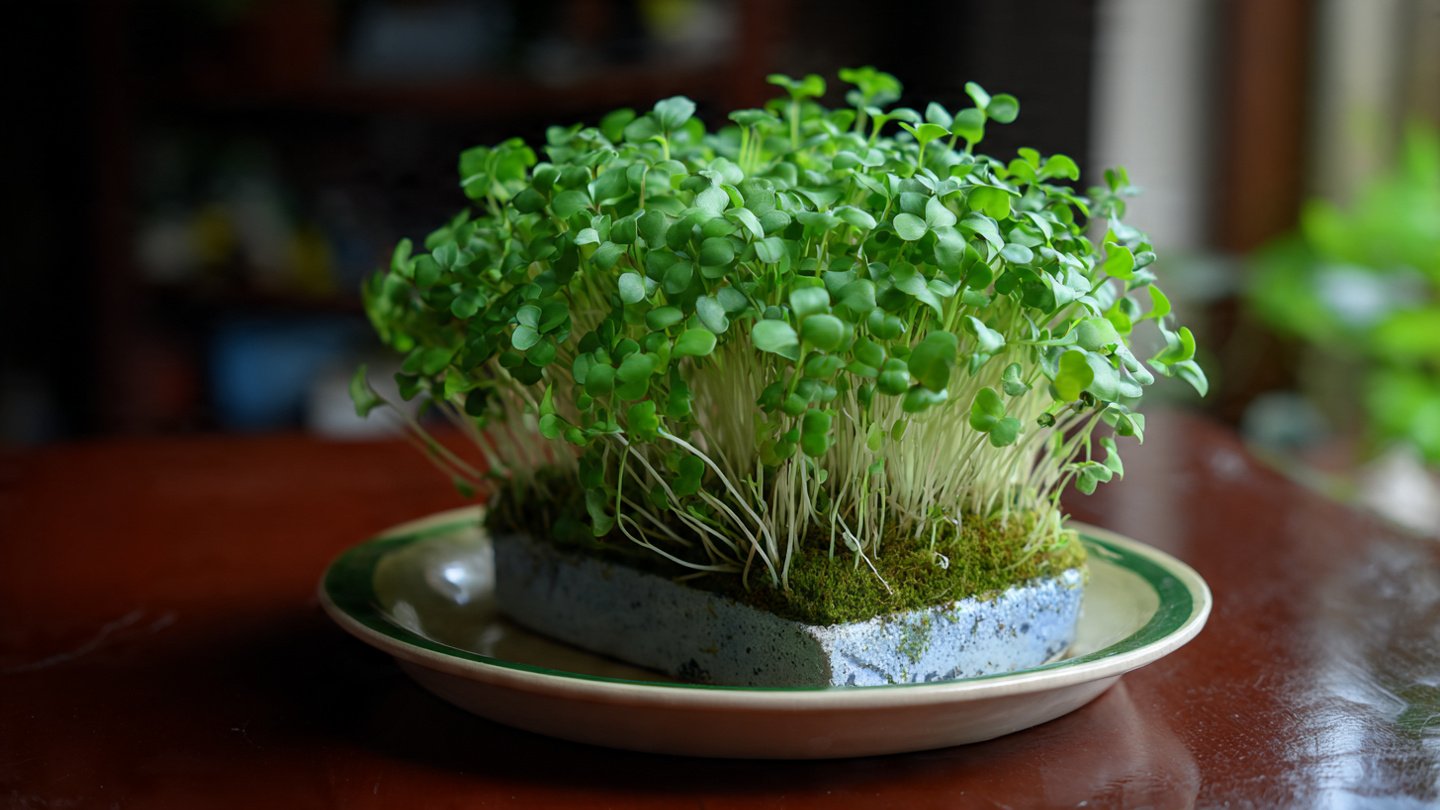
Microgreens have taken the culinary world by storm, and for good reason. These tiny, nutrient-packed plants can elevate any dish with their vibrant colors and unique flavors. One popular and easy-to-grow microgreen is methi, also known as fenugreek. Not only is methi beneficial for health, but it also adds a delightful taste to various recipes. This guide will walk you through the simple process of growing methi microgreens at home, requiring no special equipment!
What Are Microgreens?
Microgreens are young, edible plants harvested just after their first true leaves have developed. They are typically packed with flavor, nutrients, and can be grown from various seeds, which include herbs, vegetables, and even some grains. The cultivation of microgreens takes little time, space, and effort, making them ideal for home gardeners and apartment dwellers alike.
Latest Posts
- Easy Steps to Successfully Grow Bhindi in Grow Bags at Home
- Easy Steps to Grow a Healthy Guava Bonsai at Home for Beginners
- How to Successfully Grow and Cultivate White Strawberry Plants at Home for Delicious and Unique Fruits
- Ultimate Guide to Successfully Growing Weeping Fig Outdoors with Proven Techniques and Expert Tips
- How to Successfully Grow Flemish Beauty Pear Trees in Canada for Optimal Harvest
- Easy Hack to Grow Strawberries Year Round in Your Home Garden for Delicious Harvests
- Growing Flemish Beauty Pears in Canada A Complete Guide for Local Gardens
- The Ultimate Guide to Growing Hibiscus Plants Year Round for Vibrant Blooms and Healthy Foliage
- Easy Ways to Boost the Growth Rate of Your Indoor Peace Lily for Lush Green Foliage
- How to Successfully Grow Oak Leaf Lettuce in Your Home Garden for Fresh and Flavorful Salads
Benefits of Growing Methi Microgreens
-
Nutritional Value: Methi microgreens are rich in vitamins A, C, and K, as well as minerals like iron and calcium. They also contain antioxidants that may help combat inflammation.
-
Culinary Uses: The distinct flavor of methi adds depth to salads, sandwiches, smoothies, and even curries. You can also use the microgreens as garnishes.
-
Cost-Effective: Growing your own microgreens can save you money compared to buying them at the store.
-
Sustainable Practice: Cultivating your own food at home is an eco-friendly initiative, reducing your carbon footprint and promoting local eating.
-
Quick Growth: Methi microgreens typically grow quickly, allowing you to harvest within two weeks.

Getting Started: Materials Needed
You don’t need a lot of commercial gardening tools or expensive equipment to get started with growing methi microgreens. Here’s what you’ll need:
-
Seeds: Look for organic methi (fenugreek) seeds. These can typically be found at local gardening stores or online.
-
Containers: Any shallow tray or container (with drainage holes) will work well. Alternatives include recycled plastic containers, egg cartons, or seedling trays.
-
Soil: A good-quality potting mix or seed-starting soil is ideal. You could also use coconut coir or compost.
-
Water: Tap water is fine. Ensure not to overwater.
-
Light: While direct sunlight is beneficial, a bright windowsill or even indirect light will work for growing methi microgreens.
-
Spray Bottle: A simple spray bottle works well for watering your microgreens without disrupting the soil or seeds.
Step-by-Step Guide for Growing Methi Microgreens
Step 1: Prepare Your Container

Choose a shallow container that has drainage holes (this prevents excess water from accumulating). If you don’t have a container with holes, you can make a few at the bottom of a plastic container using scissors.
Step 2: Add Soil
Fill your container with about 1-2 inches of potting mix or your chosen growing medium. Lightly compress the soil with your fingers to create a flat surface. Leave the top a little loose to avoid compaction.
Step 3: Sow the Seeds
Sow your methi seeds evenly across the surface of the soil. A good rule of thumb is to use about 1 tablespoon of seeds for an area the size of a standard lunch plate. Make sure they are spread out but close enough to support each other’s growth.
Step 4: Water the Seeds
Gently mist the seeds with water using your spray bottle until the soil is evenly moist but not soaking wet. Be cautious not to wash away the seeds.
Step 5: Cover the Seeds
For optimal germination, cover the seeds with a thin layer of soil or a moist paper towel. This helps retain moisture and creates a dark environment that encourages sprouting.
Step 6: Provide Light and Temperature
Place your container on a bright windowsill or in indirect sunlight. The ideal temperature for germination is around 65°F to 70°F (18°C to 21°C). Keep an eye on the moisture level and mist as necessary to keep the soil moist.
Step 7: Watering Routine

Remove the cover after about 3-5 days when you notice the first sprouts emerging. Continue to mist the soil as needed, ensuring that it remains moist but not soggy.
Step 8: Harvest Time
After 10-14 days, your methi microgreens will be ready for harvest when they reach about 2-3 inches in height and have developed their first true leaves. Use scissors to cut them just above the soil line.
Step 9: Enjoy Your Microgreens
Rinse your freshly harvested microgreens gently under cold water. They are now ready to be used in salads, sandwiches, curries, or as a garnish.
Step 10: Store Excess Microgreens
If you have an abundant harvest, you can store your methi microgreens in a sealed container in the refrigerator. They usually last for 5-7 days if properly stored.
Troubleshooting Common Issues
-
Slow Germination: If your seeds aren’t sprouting, check the temperature and moisture levels. Patience is key; they may take a bit longer under less ideal conditions.
-
Leggy Growth: If your microgreens are stretching toward the light and becoming leggy, they may not be getting enough light. Consider moving them closer to a bright window or supplementing with a grow light.
-
Mold: If you notice mold on the soil surface, it may be too moist. Ensure you are not overwatering and consider increasing air circulation.

-
Pests: While pests are uncommon for indoor microgreens, keep an eye out for unwanted visitors. You can wash them off with water or use neem oil if they become a problem.
FAQs about Growing Methi Microgreens
Q1: How often should I water methi microgreens?
A: Water your methi microgreens daily or every other day, depending on the moisture level of the soil. Always opt for misting rather than soaking to keep the soil consistently moist but not soggy.
Q2: Do I need special lighting equipment?
A: Not at all! A bright windowsill with indirect sunlight is usually sufficient. However, if you don’t have adequate natural light, consider using a grow light.
Q3: Can I grow methi microgreens in winter?
A: Yes, you can grow methi microgreens indoors during winter. Just ensure they are placed in a location with sufficient light and warmth.
Q4: How do I use methi microgreens in cooking?
A: Methi microgreens can be used in salads, wraps, smoothies, and as a garnish on soups or rice dishes. They can also be added to savory dishes for an extra flavor boost.
Q5: Are methi microgreens safe to eat?
A: Yes, methi microgreens are safe to eat and are known for their numerous health benefits. As with any microgreens, ensure they are clean and free from pests.

Q6: How many times can I harvest the same batch?
A: Methi microgreens are typically a one-time harvest. After cutting them, you can start another batch using the same container.
Q7: Do I need to fertilize my microgreens?
A: Generally, it’s not necessary to fertilize methi microgreens since they grow quickly in nutrient-rich soil. But if you want to enhance flavor, consider using a diluted organic fertilizer at the time of planting.
Q8: What are the health benefits of methi microgreens?
A: Methi microgreens are a source of vitamins A, C, K, and minerals like iron and magnesium. They have antioxidant properties and may help in digestion and managing blood sugar levels.
Conclusion
Growing methi microgreens at home is a rewarding and straightforward process that requires minimal resources. With just seeds, some soil, and a little bit of patience, you can cultivate a nutritious and flavorful addition to your meals. Whether you’re a seasoned gardener or a complete novice, this guide offers you all the tools you need to succeed in growing these delightful microgreens right in your own kitchen.
So gather your materials, follow the steps above, and enjoy the satisfaction of growing your own food! Bon appétit!