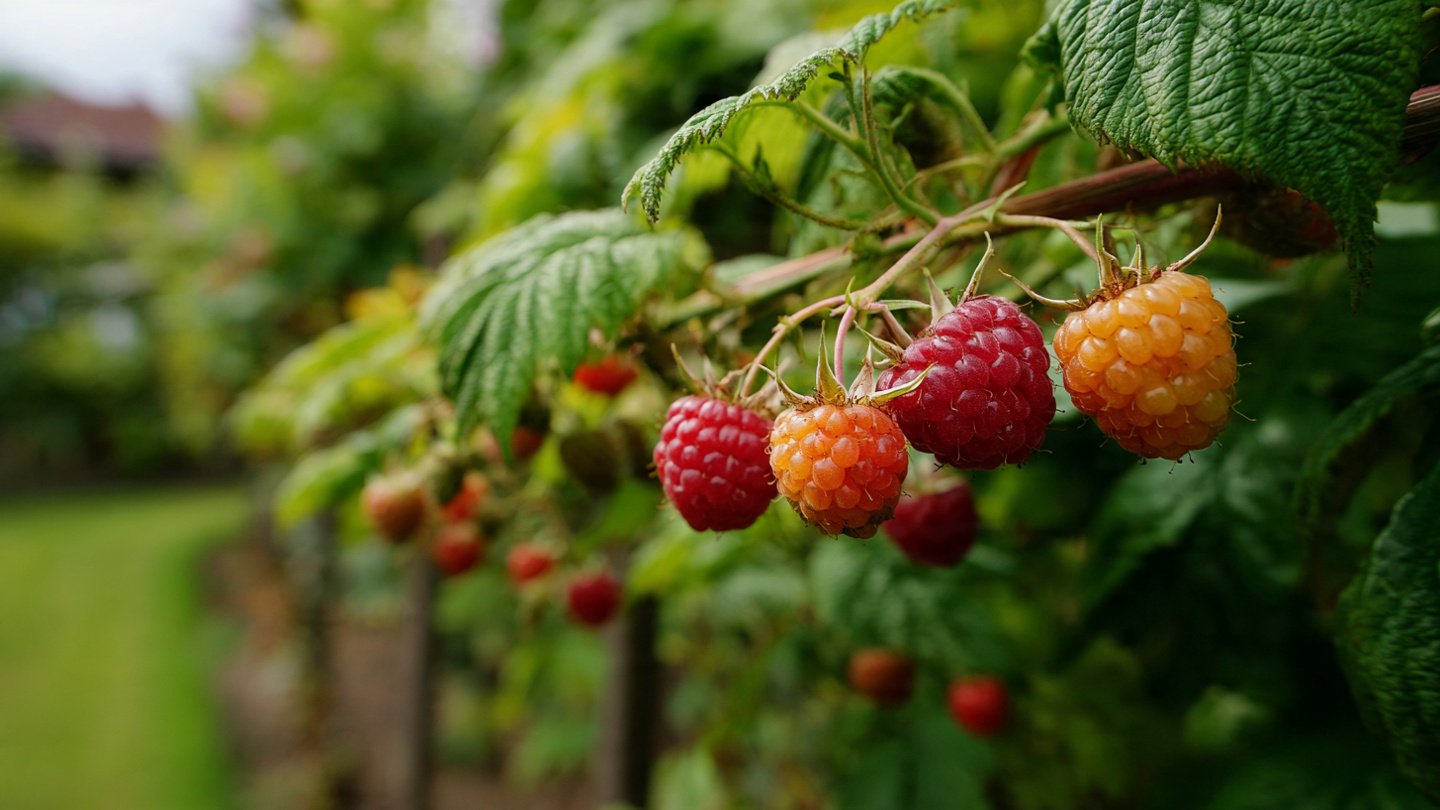
Raspberries are a beloved fruit known for their sweetness, juiciness, and versatility in culinary applications. Whether used in desserts, jams, or fresh salads, homegrown raspberries can elevate your culinary experiences. This ultimate guide will walk you through the process of successfully growing raspberries from cane, ensuring that you have juicy, delicious berries to enjoy right from your garden.
Understanding Raspberry Types
Before diving into the growing process, it’s essential to understand that there are two primary types of raspberries:
Latest Posts
- Easy Steps to Successfully Grow Bhindi in Grow Bags at Home
- Easy Steps to Grow a Healthy Guava Bonsai at Home for Beginners
- How to Successfully Grow and Cultivate White Strawberry Plants at Home for Delicious and Unique Fruits
- Ultimate Guide to Successfully Growing Weeping Fig Outdoors with Proven Techniques and Expert Tips
- How to Successfully Grow Flemish Beauty Pear Trees in Canada for Optimal Harvest
- Easy Hack to Grow Strawberries Year Round in Your Home Garden for Delicious Harvests
- Growing Flemish Beauty Pears in Canada A Complete Guide for Local Gardens
- The Ultimate Guide to Growing Hibiscus Plants Year Round for Vibrant Blooms and Healthy Foliage
- Easy Ways to Boost the Growth Rate of Your Indoor Peace Lily for Lush Green Foliage
- How to Successfully Grow Oak Leaf Lettuce in Your Home Garden for Fresh and Flavorful Salads
-
Everbearing Raspberries: These varieties produce fruit in both summer and fall, making them a favorite for extended harvests. They are perfect for gardeners who want fresh raspberries for as long as possible.
-
Summer-bearing Raspberries: These varieties produce one large crop in summer, typically ready for harvest from June to July. They might require a little more planning in terms of cultivation and pruning.
Selecting the right variety for your local climate and gardening preferences is critical to ensuring a fruitful harvest.
Choosing the Right Location
Raspberries flourish in sunny locations, so choosing a sunny spot in your garden is essential. Here are some key factors to consider when selecting the perfect location:
-
Sunlight: Raspberries require at least 6 to 8 hours of direct sunlight per day. A south-facing slope or an area free from large trees and structures can provide the light needed for healthy growth.
-
Soil: Raspberries thrive in well-drained, loamy soil. A pH between 5.5 and 6.8 is optimal. Conducting a soil test can help you understand the nutritional profile of your garden soil.

-
Wind Protection: Strong winds can damage delicate raspberry canes. If possible, choose an area that is shielded from prevailing winds, such as near a fence or building.
Preparing the Soil
Once you’ve selected the perfect location, it’s time to prepare the soil for planting. Here’s how to get started:
-
Soil Testing: Conduct a soil test to determine the nutrient levels and pH. Many local extension services offer testing kits with instructions.
-
Amending the Soil: Depending on your soil test results, you may need to amend your soil to optimize growth. Generally, adding organic matter such as compost can improve soil structure and increase nutrient content.
-
Tilling: Till the soil to a depth of about 12 inches to loosen it. This encourages healthy root development.
-
Fertilization: Before planting, apply a balanced fertilizer according to the package instructions and mix it well with the soil.
Planting Raspberry Canes
Once the soil is prepared, it’s time to plant your raspberry canes. Here’s a step-by-step guide:
-
Timing: The best time to plant raspberry canes is in early spring or late fall when the plants are dormant.

-
Spacing: Dig trenches approximately 2 to 3 feet apart, depending on the variety. Space the canes about 18 to 24 inches apart within the trench.
-
Planting Depth: Place the raspberry canes in the trenches, ensuring that the roots are spread out. Cover the roots with soil, leaving the crown of the plant just above the soil surface.
-
Watering: Immediately after planting, water the canes thoroughly to eliminate air pockets around the roots and promote early growth.
Caring for Your Raspberries
To ensure healthy growth and a fruitful harvest, proper care is essential. Here are crucial aspects of raspberry care:
Watering
Raspberries require consistent moisture, especially during the growing season. Water deeply but infrequently, allowing the top few inches of soil to dry out between watering sessions. Drip irrigation is ideal, as it minimizes water wastage and diseases associated with wet foliage.
Mulching
Applying a layer of mulch (2 to 3 inches) around your raspberry plants can help retain soil moisture, suppress weeds, and regulate soil temperature. Organic materials like straw, wood chips, or shredded leaves work well as mulch.
Fertilization
Raspberry plants benefit from periodic fertilization throughout their growth cycle. Use a low-nitrogen fertilizer in early spring and again after the first harvest to encourage more fruiting.
Pruning

Proper pruning is crucial for maintaining healthy plants and optimizing yields. For summer-bearing varieties, prune in late winter or early spring by removing dead or damaged canes and thinning out excessive growth. For everbearing varieties, prune the canes that produced fruit after the fall harvest, allowing new growth to thrive in the following season.
Pest and Disease Management
Raspberries can attract various pests and diseases that may affect their health and yield. Here are some common issues to be aware of and how to manage them:
-
Pests: Common pests include aphids, spider mites, and fruit flies. Regularly inspect your plants and apply organic insecticidal soap or neem oil if infestations occur.
-
Diseases: Raspberry bushy dwarf virus and root rot are potential diseases to watch for. Ensuring proper spacing, watering practices, and soil management can minimize disease risk.
Harvesting Raspberries
The joy of growing raspberries culminates in harvesting the ripe fruit. Here’s how to know when your raspberries are ready for harvest:
-
Color: Ripe raspberries will be fully colored—usually vibrant red (or yellow/purple, depending on variety) and have a slight sheen.
-
Texture: Ripe berries will be plump but firm. If they are overly soft or mushy, they may be overripe.
-
Ease of Removal: Ripe berries will easily detach from the stem with a gentle tug. If they resist, they may need a bit more time to ripen.

Harvest your raspberries in the morning when they are cool for the best flavor. Place them gently in shallow containers to avoid crushing.
Enjoying Your Bounty
Once harvested, you can enjoy your raspberries in various ways. Here are some ideas:
-
Fresh Eating: Raspberries are delightful when enjoyed fresh. Add them to salads or eat them straight from the garden.
-
Cooking and Baking: Use raspberries in desserts like pies, tarts, muffins, and sauces.
-
Preserving: Make jams or jelly to enjoy their flavor throughout the year.
-
Freezing: If you have an abundance of raspberries, freeze them unwashed for later use. Spread them in a single layer on a baking sheet, freeze, and then transfer to a container for long-term storage.
FAQs
1. How long does it take for raspberry canes to bear fruit?
Typically, raspberry canes will start producing fruit in their second year after planting. However, everbearing varieties may yield some fruit in their first season.
2. How do I take care of my raspberry plants during winter?
To protect your raspberry plants during winter, apply a thick layer of mulch (straw or wood chips) around the base to insulate the roots. For extreme winter regions, you can also cover the plants with burlap or fabric to prevent frost damage.

3. Can I grow raspberries in containers?
Yes! Raspberries can be grown in large containers (at least 5 gallons) with good drainage. Choose compact or dwarf varieties for better results in pots.
4. What is the ideal watering schedule for raspberries?
Water your raspberries deeply at least once a week, ensuring the soil remains consistently moist. Adjust the frequency according to rainfall and temperature, as hotter weather may require more frequent watering.
5. What are some companion plants for raspberries?
Raspberries grow well alongside plants like flowering herbs (basil, thyme), onions, and carrots, which can help deter pests. Avoid planting raspberries near potatoes and tomatoes, as they may attract similar pests.
6. How often should I prune raspberry canes?
Pruning frequency depends on the type of raspberry. Summer-bearing varieties are usually pruned in late winter, while everbearing varieties can be pruned after the fall harvest and again in early spring.
7. How do I prevent diseases in my raspberry plants?
Preventive measures include selecting disease-resistant varieties, practicing good garden hygiene, ensuring proper spacing and airflow around plants, and following appropriate watering techniques to prevent root rot.
In conclusion, growing raspberries from cane can be a rewarding endeavor for any gardener. With the right care and attention, you can enjoy a bountiful harvest of delicious, homegrown raspberries year after year. Happy gardening!