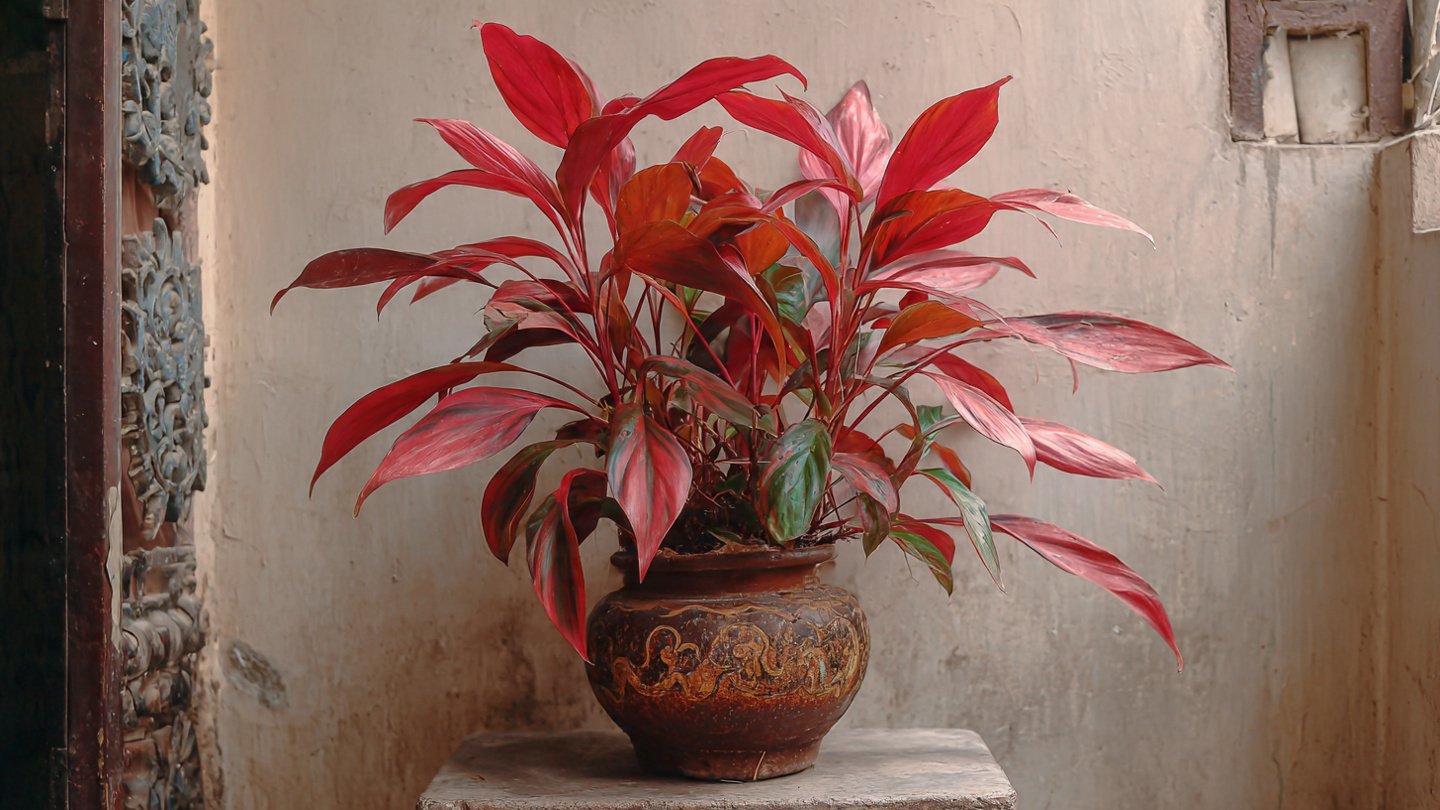
The Raat Rani plant, also known as Cestrum nocturnum or Night Blooming Jasmine, is a cherished addition to gardens and homes due to its intoxicating fragrance. This striking plant is particularly known for its aromatic flowers that bloom at night, making it a popular choice for nighttime gardens and patios. If you’re interested in cultivating this plant at home, here are some simple steps to ensure its success, along with answers to common FAQs.
Understanding Raat Rani
Before diving into the cultivation process, it’s important to understand what Raat Rani is. Originating from tropical America, it is a fast-growing shrub that can reach heights of up to 6 feet. The glossy green leaves and small yellow-green flowers give the plant its appeal. The flowers release their sweet scent in the evening, making it a delightful addition for evening gatherings.
Latest Posts
- Easy Steps to Successfully Grow Bhindi in Grow Bags at Home
- Easy Steps to Grow a Healthy Guava Bonsai at Home for Beginners
- How to Successfully Grow and Cultivate White Strawberry Plants at Home for Delicious and Unique Fruits
- Ultimate Guide to Successfully Growing Weeping Fig Outdoors with Proven Techniques and Expert Tips
- How to Successfully Grow Flemish Beauty Pear Trees in Canada for Optimal Harvest
- Easy Hack to Grow Strawberries Year Round in Your Home Garden for Delicious Harvests
- Growing Flemish Beauty Pears in Canada A Complete Guide for Local Gardens
- The Ultimate Guide to Growing Hibiscus Plants Year Round for Vibrant Blooms and Healthy Foliage
- Easy Ways to Boost the Growth Rate of Your Indoor Peace Lily for Lush Green Foliage
- How to Successfully Grow Oak Leaf Lettuce in Your Home Garden for Fresh and Flavorful Salads
Step 1: Choosing the Right Location
Light Requirements
Raat Rani thrives in bright, indirect sunlight. While it can tolerate some direct sunlight, especially in the early morning or late afternoon, prolonged exposure can scorch the leaves. When planning your indoor garden, place the plant near a window with filtered light.
Outdoor Considerations
For outdoor planting, select a location that receives at least 6 hours of sun daily. They typically prefer slightly protected areas that offer some respite from harsh wind.
Step 2: Selecting the Right Soil
The Raat Rani plant prefers well-draining soil. A good potting mix consists of:
- 40% potting soil
- 30% perlite or sand (to enhance drainage)
- 30% compost (to provide nutrients)

Always ensure that the pot or ground soil has drainage holes to prevent water from accumulating, which can lead to root rot.
Step 3: Planting
-
Transplanting: If you purchased a Raat Rani plant from a nursery, carefully remove it from its container. Gently loosen any tightly bound roots and place it in the prepared soil.
-
Spacing: If planting multiple Raat Rani plants, ensure they are spaced at least 2-3 feet apart to allow for proper air circulation and growth.
-
Depth: The plant should be placed at the same depth it was in its original container. Fill in with soil, gently patting it down to remove air pockets, and water it thoroughly.
Step 4: Watering
Raat Rani prefers moderate watering. Here’s how to manage it:
- Frequency: Water when the top 1-2 inches of soil feel dry. This usually means watering once or twice a week, depending on weather conditions.
- Method: Water deeply to encourage deep root growth, but ensure that the plants do not sit in water.

Step 5: Fertilizing
To encourage healthy growth and vibrant blooms, fertilize your Raat Rani during the growing season:
- Type: Use a balanced, water-soluble fertilizer (like a 10-10-10 formula).
- Frequency: Fertilize every 4-6 weeks during the growing season (spring to early fall). Reduce or stop during winter when the plant’s growth slows down.
Step 6: Pruning
Regular pruning helps shape the plant and encourages more blooms:
- When to Prune: Late winter or early spring is the best time for pruning before new growth begins.
- How to Prune: Remove dead or damaged branches and cut back leggy growth to encourage bushiness.
Step 7: Pest Control
Raat Rani can attract common pests such as aphids, spider mites, and mealybugs. Maintain your plant’s health with these tips:

- Regular Inspection: Check your plant weekly for signs of pests.
- Natural Remedies: Use insecticidal soap or neem oil to treat infestations, as these solutions are less harmful than chemical pesticides.
Step 8: Managing Temperature and Humidity
Raat Rani prefers warm, humid conditions commonly found in tropical regions:
- Temperature: Keep indoor plants in temperatures between 60°F to 85°F (15°C to 29°C). Protect them from frost if you live in colder climates.
- Humidity: If you’re in a very dry environment, consider using a humidifier or misting the leaves occasionally to maintain humidity.
Step 9: Preparing for Winter
If you live in an area with cold winters, you may need to prepare your Raat Rani for indoor life.
- Bringing Indoors: As temperatures drop, consider bringing your plant indoors before the first frost.
- Adjustments: Gradually acclimate the plant to its new environment with lower light conditions.
Step 10: Enjoying the Blooms
One of the most delightful aspects of growing the Raat Rani plant is its fragrant blooms:

- Time of Blooming: Expect flowers to appear in late spring and summer, lasting into fall.
- Evening Scent: Take advantage of the plant’s evening blossoms by placing it close to your living space.
FAQs
1. How long does it take for the Raat Rani plant to bloom?
Raat Rani usually begins to bloom within a year of planting, depending on care and environmental conditions.
2. Can I grow Raat Rani in a pot?
Yes! Raat Rani does well in pots. Make sure the pot has adequate drainage and is large enough to accommodate the plant’s growth.
3. Is Raat Rani toxic to pets?
Yes, the Raat Rani plant is toxic if ingested. Keep it out of reach of pets and small children.
4. Can I propagate Raat Rani from cuttings?
Absolutely! Raat Rani can be propagated from stem cuttings. Take a 6-8 inch cutting from a healthy stem, remove any lower leaves, and plant it in a suitable potting mix.

5. What should I do if my Raat Rani plant isn’t blooming?
Ensure that your plant receives adequate sunlight, is properly fertilized, and is not overwatered. Pruning can also promote blooming.
6. How fast does the Raat Rani grow?
The Raat Rani is a fast-grower, often reaching its full height of 5-6 feet in just a couple of years with optimal care.
7. Why are the leaves turning yellow?
Yellowing leaves can indicate overwatering, poor drainage, or nutrient deficiencies. Check the soil moisture and consider fertilizing if needed.
Conclusion
Growing the Raat Rani plant at home can be a rewarding and fragrant endeavor. With its charming blooms and enchanting scent, it’s a delightful addition to any garden or indoor space. By following these simple steps and caring routine, you can ensure a flourishing Raat Rani plant that will enhance your home’s ambiance, especially during the nighttime hours. Enjoy the beauty and aroma of this unique plant, and don’t hesitate to share the experience with friends and family!