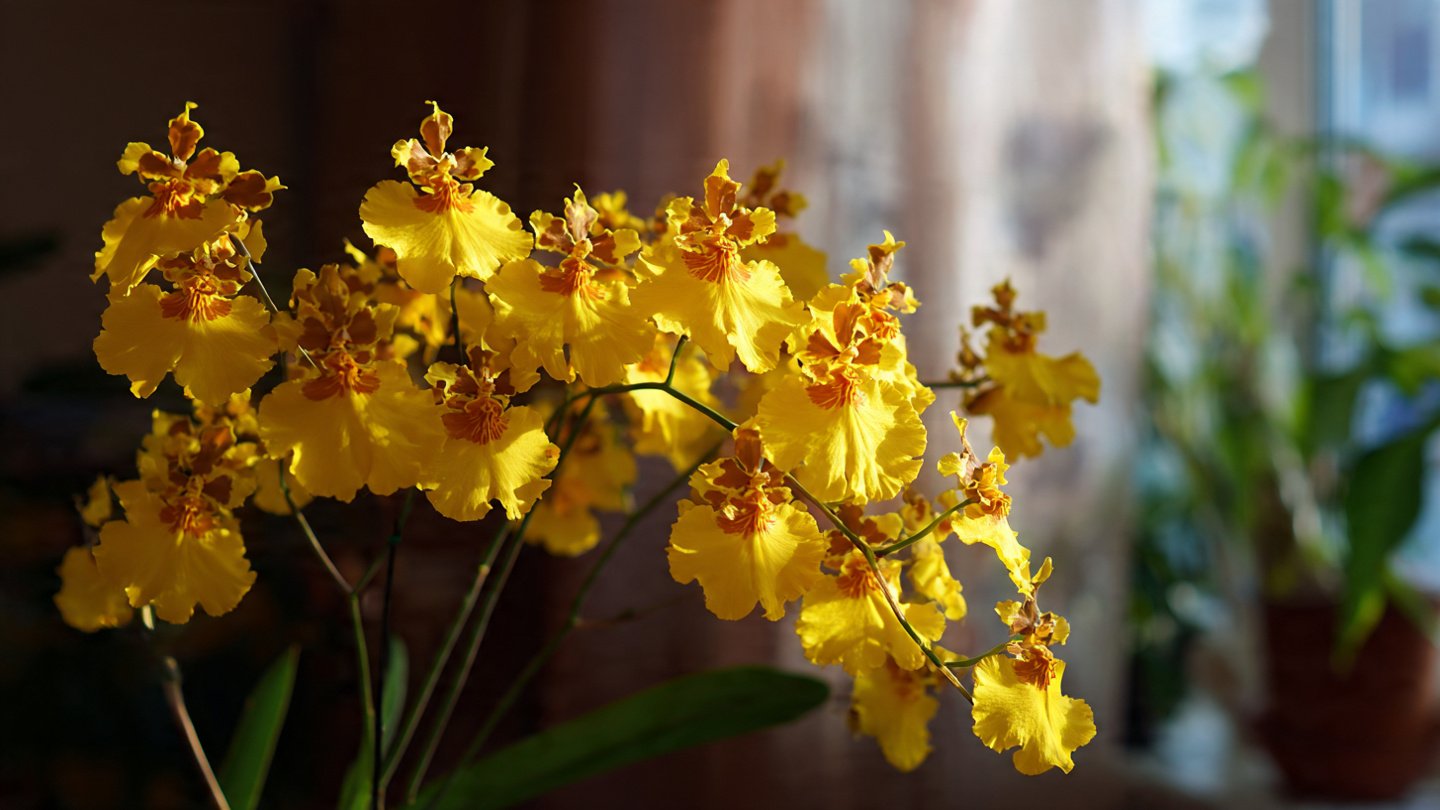
Orchids are among the most sought-after houseplants due to their stunning beauty and diversity. Among the vast family of orchids, Oncidium orchids stand out for their vibrant flowers and relatively easier care requirements. For beginners, growing Oncidium orchids can be an incredibly rewarding experience. This article outlines simple steps to successfully cultivate Oncidium orchids at home, ensuring that you bring a touch of elegance and color into your living space.
Understanding Oncidium Orchids
Before diving into cultivation, it’s essential to understand the nature of Oncidium orchids. Often referred to as “dancing lady” orchids because of their unique flower shapes, Oncidiums are native to tropical and subtropical regions of Central and South America. They thrive in warm, humid environments, which necessitates careful attention to their growing conditions.
Latest Posts
- Easy Steps to Successfully Grow Bhindi in Grow Bags at Home
- Easy Steps to Grow a Healthy Guava Bonsai at Home for Beginners
- How to Successfully Grow and Cultivate White Strawberry Plants at Home for Delicious and Unique Fruits
- Ultimate Guide to Successfully Growing Weeping Fig Outdoors with Proven Techniques and Expert Tips
- How to Successfully Grow Flemish Beauty Pear Trees in Canada for Optimal Harvest
- Easy Hack to Grow Strawberries Year Round in Your Home Garden for Delicious Harvests
- Growing Flemish Beauty Pears in Canada A Complete Guide for Local Gardens
- The Ultimate Guide to Growing Hibiscus Plants Year Round for Vibrant Blooms and Healthy Foliage
- Easy Ways to Boost the Growth Rate of Your Indoor Peace Lily for Lush Green Foliage
- How to Successfully Grow Oak Leaf Lettuce in Your Home Garden for Fresh and Flavorful Salads
Characteristics of Oncidium Orchids
- Variety: Oncidium orchids include several species and hybrids that display a range of colors, shapes, and sizes.
- Growth Habit: They typically grow as epiphytes, meaning they derive moisture and nutrients from the air and rain rather than the soil. Their roots are adapted to cling to trees and rock crevices.
- Flowers: Their flowers can range in color from yellow to orange, red, and even some more exotic hues, featuring intricate patterns that make them highly desirable.
Step-by-Step Guide to Growing Oncidium Orchids at Home
1. Selecting the Right Potting Medium
Importance of Potting Medium
Given that Oncidium orchids are epiphytes, selecting the right potting medium is crucial. A well-draining mix will encourage healthy root growth and prevent root rot.
Recommended Potting Mix
A good potting mix for Oncidium orchids typically includes:

- Bark: Pine bark or fir bark is commonly used.
- Perlite: For additional aeration.
- Sphagnum Moss: Helps retain moisture without making the medium too dense.
You can purchase pre-mixed orchid potting media or create your own by combining these ingredients in a ratio that works best for you.
2. Choosing the Right Pot
Pot Selection
Opt for pots with drainage holes. Orchid pots often have slits or mesh to enhance air circulation. This is critical for root health.
Pot Size
Choose a pot that is slightly larger than the orchid’s root ball. Overly large pots can retain excess moisture, leading to root issues.
3. Proper Watering Techniques
Watering Schedule
Oncidium orchids prefer to dry out slightly between waterings. This means watering once a week during the growing season (spring and summer) and reducing frequency in fall and winter.
Watering Method
- Check the Medium: Stick your finger into the potting medium. If it feels dry, it’s time to water.
- Water Until It Drips: Ensure that water flows through the drainage holes, flushing out any accumulated salts from fertilizer.
4. Ideal Lighting Conditions
Light Requirements
Oncidium orchids thrive in bright, indirect sunlight. Too much direct sunlight can scorch their leaves, while too little light may inhibit flowering.
Lighting Tips
- Location: A bright room with filtered light, such as near a north or east-facing window, is ideal.
- Supplemental Lighting: If natural light is insufficient, consider utilizing grow lights to provide the necessary intensity.
5. Temperature and Humidity
Temperature Range
Oncidium orchids prefer temperatures between 65-75°F (18-24°C) during the day and slightly cooler temperatures at night. They can tolerate higher temperatures but will require ample humidity.
Humidity Requirements
Aim for humidity levels around 50-70%. You can achieve this by:

- Using a Humidifier: Particularly beneficial in dry climates or during winter months.
- Tray Method: Placing the orchid pot on a tray filled with water and pebbles (without the pot touching the water) can add humidity.
6. Fertilizing Your Oncidium Orchids
Fertilization Schedule
Oncidium orchids benefit from regular fertilization during their active growth period. Use a balanced, water-soluble fertilizer formulated for orchids.
Application Tips
- Dilution: Mix the fertilizer to half the recommended strength to avoid over-fertilization.
- Frequency: Apply fertilizer every 4-6 weeks during the growing season. Reduce or stop fertilizing during the dormant season (fall and winter).
7. Pruning and Repotting
Pruning
Prune your Oncidium orchids after they finish blooming. Cut back the flower spike to promote a healthier plant and encourage new growth.
Repotting
Repot your orchid every 1-2 years, or when you notice the potting medium has broken down. Signs that your orchid needs repotting include root overgrowth and poor drainage.

8. Pest and Disease Management
Common Issues
- Pests: Mealybugs, aphids, and spider mites are common pests that can affect Oncidium orchids.
- Diseases: Root rot is a prevalent issue that arises from overwatering.
Prevention and Treatment
- Inspection: Check your orchids regularly for signs of pests and remove them manually when possible.
- Water Carefully: Ensure not to let the pot sit in water, and only water when the medium is dry.
- Fungicides and Insecticides: If infestations occur, use appropriate treatments according to package instructions.
FAQs
1. Can I grow Oncidium orchids indoors?
Yes, Oncidium orchids are excellent indoor plants and can thrive in well-lit areas with proper humidity and temperature control.
2. How often should I water my Oncidium orchid?
Typically, you should water your Oncidium orchid once a week. However, always check the potting medium to ensure it is dry before watering.

3. Do Oncidium orchids need special pots?
Yes, Oncidium orchids do best in pots designed for orchids, which usually have excellent drainage and air circulation.
4. Why are the leaves of my Oncidium orchid turning yellow?
Yellow leaves may indicate overwatering or insufficient light. Assess your care routine to pinpoint the issue.
5. What should I do if my Oncidium orchid is not blooming?
If your Oncidium orchid is not blooming, check its light, temperature, and fertilizer conditions. Insufficient light is a common cause of failed blooms.
6. How can I increase humidity for my Oncidium orchids?
Using a humidifier, placing plants on pebble trays with water, or grouping plants together can increase humidity around your orchids.
7. How do I know when to repot my Oncidium orchid?
You should repot your Oncidium when the roots have outgrown the pot, the medium has broken down, or if you notice poor drainage.
Conclusion
Growing Oncidium orchids at home can be a gratifying hobby for beginners. With suitable conditions and basic care, these vibrant plants will reward you with stunning blooms. By following the guidelines outlined above, you can create an environment where your Oncidium orchids can thrive, becoming the highlight of any room. Happy gardening!