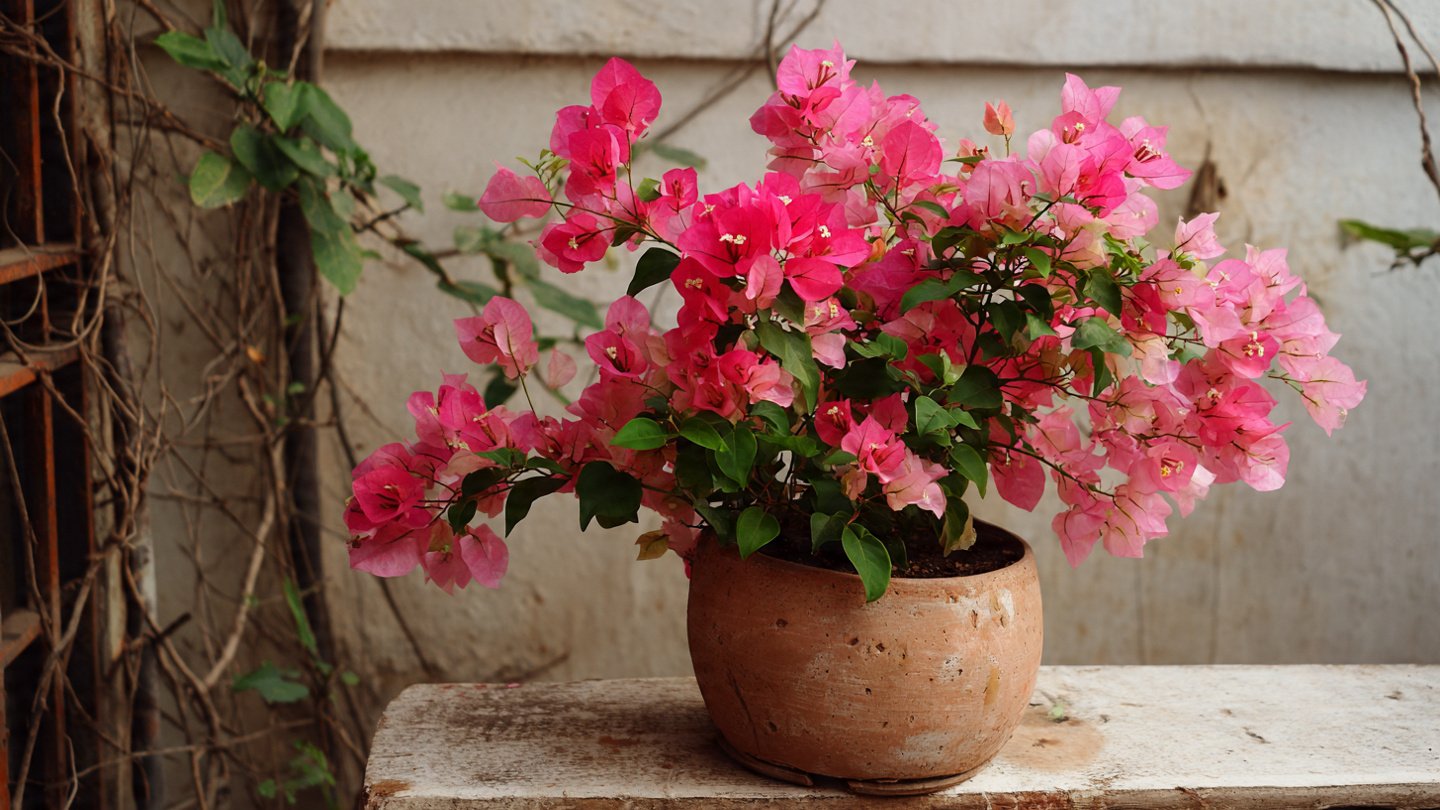
Bougainvillea is an exquisite flowering vine known for its vibrant colors and hardy nature. Native to South America, this tropical beauty has enchanted gardeners around the world with its stunning blooms and ability to thrive in various conditions. Growing bougainvillea in pots is a rewarding venture, particularly for beginners, as it allows you to control its environment, making it easier to manage. Here’s a comprehensive guide on growing bougainvillea in pots, including tips, care instructions, and a FAQs section.
1. Selecting the Right Pot
For successful bougainvillea growth, the first step is to choose an appropriate pot:
Latest Posts
- Easy Steps to Successfully Grow Bhindi in Grow Bags at Home
- Easy Steps to Grow a Healthy Guava Bonsai at Home for Beginners
- How to Successfully Grow and Cultivate White Strawberry Plants at Home for Delicious and Unique Fruits
- Ultimate Guide to Successfully Growing Weeping Fig Outdoors with Proven Techniques and Expert Tips
- How to Successfully Grow Flemish Beauty Pear Trees in Canada for Optimal Harvest
- Easy Hack to Grow Strawberries Year Round in Your Home Garden for Delicious Harvests
- Growing Flemish Beauty Pears in Canada A Complete Guide for Local Gardens
- The Ultimate Guide to Growing Hibiscus Plants Year Round for Vibrant Blooms and Healthy Foliage
- Easy Ways to Boost the Growth Rate of Your Indoor Peace Lily for Lush Green Foliage
- How to Successfully Grow Oak Leaf Lettuce in Your Home Garden for Fresh and Flavorful Salads
-
Size: Start with a pot that is at least 12 inches in diameter. Bougainvilleas develop extensive root systems, so a larger pot allows for healthy growth. As the plant matures, you may need to repot it into a larger container.
-
Material: Opt for lightweight materials like plastic or terracotta that offer good drainage. Terracotta adds an elegant touch but can dry out more quickly.
-
Drainage: Ensure the pot has adequate drainage holes at the bottom. Bougainvilleas dislike sitting in water, which can lead to root rot.
2. Choosing the Right Soil
Bougainvilleas thrive in well-draining soils. Here’s how to prepare the right mix:
-
Mix: Use a mix of potting soil, sand, and perlite. A recommended ratio is 60% potting soil, 20% sand, and 20% perlite to ensure proper drainage.
-
pH Level: Aim for a soil pH between 5.5 and 6.5. You can test soil pH with easily available kits and adjust with amendments if necessary.
3. Planting Bougainvillea
Once you have your pot and soil ready, it’s time to plant:
-
Light Exposure: Bougainvilleas require full sun to bloom optimally. Choose a location where they will receive at least 5 hours of direct sunlight each day.
-
Planting: Fill the pot with your prepared soil, leaving about an inch of space at the top. Carefully remove the bougainvillea from its nursery pot, taking care not to damage the roots. Place it in the center of the new pot and fill in the remaining spaces with soil, lightly patting it down to eliminate air pockets.
-
Watering: After planting, water the bougainvillea thoroughly, allowing excess water to drain out. Don’t overwater at this stage; you only need to keep the soil moist.
4. Watering and Fertilizing
Proper watering and nutrition are crucial for healthy bougainvilleas:
-
Watering: Bougainvilleas prefer to dry out between waterings. Once the topsoil is dry to the touch, it’s time to water again. Overwatering can lead to root rot, so ensure that excess water drains away.
-
Fertilizing: Feed your bougainvillea every 4-6 weeks during the growing season (spring and summer). Use a balanced fertilizer with higher phosphorus content to promote blooming. A 10-20-20 fertilizer ratio works well.
5. Pruning and Training
To maintain the shape and encourage blooming, regular pruning is necessary:
-
Pruning: Prune bougainvilleas in late winter or early spring before they start to grow. Remove any dead or spindly branches and shape the plant as desired. Regular pruning encourages bushier growth and more flowers.
-
Training: If you want your bougainvillea to climb, provide a trellis or support. Train the branches to wrap around the support as they grow.

6. Managing Pests and Diseases
Bougainvilleas can be susceptible to certain pests and diseases. Here’s how to manage them:
-
Common Pests: Keep an eye out for aphids, spider mites, and whiteflies. You can remove them with a gentle spray of water or use neem oil as a natural pesticide.
-
Diseases: Root rot and powdery mildew can occur if the plant is overwatered or lacks airflow. Ensure adequate drainage and air circulation. If mildew appears, remove affected leaves and apply a fungicide if necessary.
7. Winter Care
If you live in an area with cold winters, protecting your bougainvillea is crucial:
-
Indoor Care: Bring the pot indoors before the first frost. Place it in a sunny window where it can continue to receive light. Reduce watering during this period since the plant will be in a dormant stage.
-
Outdoor Care: If kept outside, consider covering the plant with frost cloths or moving it to a sheltered location during cold snaps.
8. Repotting
Every few years, your bougainvillea might outgrow its pot. Here’s how to repot:
-
Timing: Repot in early spring before the growth season starts.
-
Procedure: Gently remove the plant from its old pot, tease out the roots if they’re tightly bound, and place it in a new pot that is 1-2 sizes larger. Fill with fresh potting mix.
Conclusion
Growing bougainvillea in pots can be an incredibly gratifying experience that brings color and life to your space. By following these simple steps, even beginners can cultivate this stunning plant successfully. With the proper care and attention, your bougainvillea will flourish, providing you with vibrant blooms throughout the warmer months.
FAQs
Q1: How often should I prune my bougainvillea?
A1: Pruning should be done once a year, ideally in late winter or early spring, to encourage new growth and blooms.
Q2: Can I grow bougainvillea indoors?
A2: Yes, bougainvilleas can be grown indoors as long as they get plenty of sunlight and are protected from cold drafts.
Q3: How do I know if I’m overwatering my bougainvillea?
A3: Yellowing leaves, wilting, or mushy stems are signs of overwatering. Ensure that the top inch of soil is dry before watering again.
Q4: What are the best varieties of bougainvillea for pots?
A4: Varieties like ‘Bougainvillea glabra’ are compact and well-suited for pot culture. Other options include ‘Barbara Karst’ and ‘Miami Pink.’
Q5: Can bougainvilleas survive winter outdoors?
A5: Bougainvilleas are not frost-tolerant and should be brought indoors or covered during winter if you live in colder climates.
By following the steps outlined above, you’ll be well on your way to cultivating a thriving bougainvillea in pots, enhancing your garden or home with their spectacular display!