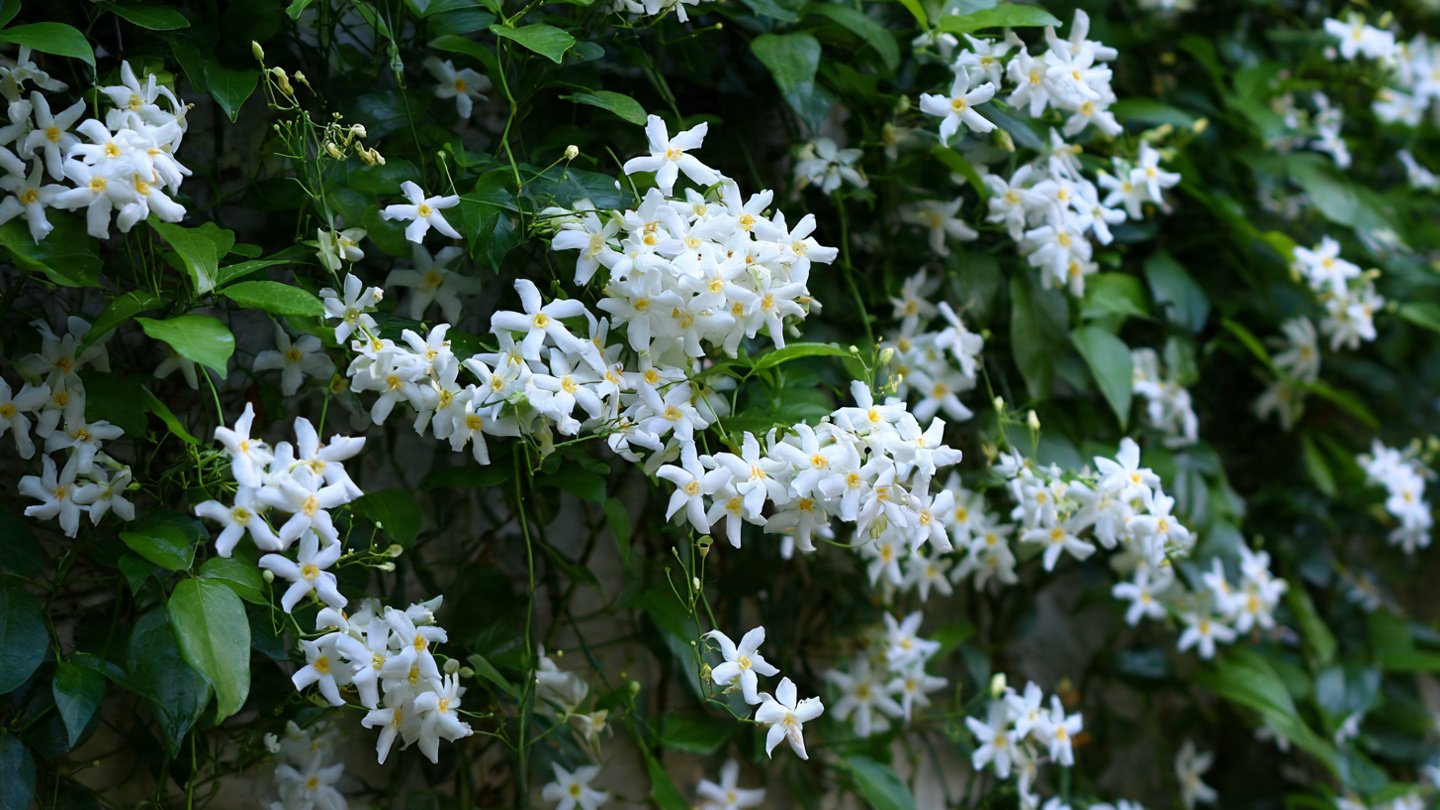
Star Jasmine (Trachelospermum jasminoides) is renowned for its lush green foliage and fragrant, star-shaped flowers. Native to Asia, this evergreen vine can be an excellent addition to your home garden, enjoying a role as both a beautiful ornamental plant and a timeless source of aroma. Whether you desire to cover walls, fences, or trellises, Star Jasmine is a versatile choice. This guide will walk you through every step you need to take to grow and care for a thriving Star Jasmine creeper at home.
1. Understanding Star Jasmine
Before diving into the specifics of care and cultivation, it’s essential to understand the characteristics of Star Jasmine:
Latest Posts
- Easy Steps to Successfully Grow Bhindi in Grow Bags at Home
- Easy Steps to Grow a Healthy Guava Bonsai at Home for Beginners
- How to Successfully Grow and Cultivate White Strawberry Plants at Home for Delicious and Unique Fruits
- Ultimate Guide to Successfully Growing Weeping Fig Outdoors with Proven Techniques and Expert Tips
- How to Successfully Grow Flemish Beauty Pear Trees in Canada for Optimal Harvest
- Easy Hack to Grow Strawberries Year Round in Your Home Garden for Delicious Harvests
- Growing Flemish Beauty Pears in Canada A Complete Guide for Local Gardens
- The Ultimate Guide to Growing Hibiscus Plants Year Round for Vibrant Blooms and Healthy Foliage
- Easy Ways to Boost the Growth Rate of Your Indoor Peace Lily for Lush Green Foliage
- How to Successfully Grow Oak Leaf Lettuce in Your Home Garden for Fresh and Flavorful Salads
- Growth Habit: This twining vine can reach heights of 20–30 feet with the right support.
- Foliage: The leaves are dark green, glossy, and leathery, providing a lush backdrop even when flowers aren’t present.
- Flowers: Star Jasmine flowers are small, white, and have a delightful fragrance—typically blooming in late spring to early summer.
- Hardiness: It thrives in USDA zones 8–10, making it perfect for temperate and warm climates.
2. Choosing the Right Location
Light Requirements
Star Jasmine prefers full sun to partial shade. Ideally, choose a location where it can receive at least 6–8 hours of sunlight a day. Morning sun is particularly beneficial, as it helps to dry the leaves and prevent disease.
Space Considerations
Ensure there’s enough space for the vine to grow. This plant can easily take over if given the opportunity, so consider the proximity to surrounding plants and structures. It works wonderfully in:
- Vertical Gardens: A trellis, fence, or arbor is ideal for this climbing plant.
- Container Gardens: If space is limited, it can also thrive in pots.
3. Soil Preparation

Type of Soil
Star Jasmine prefers well-draining soil that is loamy and rich in organic matter. A pH level of 6.0 to 7.0 is ideal. You can use a mix of potting soil, peat moss, and perlite for containers, or enrich the garden soil with compost before planting.
Drainage
Ensure that the area where you plant the jasmine has good drainage. Waterlogged soil can lead to root rot, which can be fatal for the plant.
4. Planting Star Jasmine
When to Plant
The best time to plant Star Jasmine is in the spring or fall.
Planting Steps
-
Choose a Healthy Plant: Select a young, healthy Star Jasmine vine from a local nursery or garden center.
-
Dig a Hole: The hole should be twice as wide and as deep as the root ball. This allows for easier root growth.
-
Enhance Soil: Mix some compost or organic fertilizer into the soil you removed from the hole.
-
Place the Plant: Set the root ball in the hole, ensuring that the top of the root ball is level with the surrounding soil.
-
Backfill: Fill the hole with the prepared soil mixture, gently pressing down to eliminate air pockets.
-
Water: Thoroughly water the plant after planting to help settle the soil.
Supporting It
If you are planting it near a trellis or fence, secure the vine with some soft ties to help it climb.
5. Watering Requirements
Star Jasmine enjoys consistent moisture but does not tolerate waterlogging.
Watering Schedule
- First Year: Water deeply once a week.
- Established Plant: After the first year, it can be watered less frequently, roughly every 10–14 days, depending on rainfall.
Signs of Water Stress
- Under-Watering: Wilting or droopy leaves.
- Over-Watering: Yellowing leaves and a mushy base.
6. Fertilization
To promote healthy growth, fertilizing Star Jasmine is essential.
Type of Fertilizer
Use a balanced slow-release fertilizer or one specifically designed for flowering vines.

Frequency
- Spring: Use fertilizer as new growth begins.
- Mid-Summer: Apply a second round for prolonged blooming.
7. Pruning and Training
Pruning is crucial for maintaining the shape and health of your Star Jasmine.
When to Prune
The best time to prune is immediately after the flowering season, usually in late summer.
Pruning Tips
- Remove Dead or Diseased Growth: This encourages new healthy growth.
- Control Size: Trim back overly vigorous growth to maintain its size and encourage bushiness.
- Train Along Supports: Gently guide the vine along your chosen trellis or support.
8. Pest and Disease Management
Common Pests
- Aphids: Small, sap-sucking pests that can be managed with insecticidal soap.
- Spider Mites: Indicated by tiny webs; washing the foliage can help reduce their population.
Diseases
- Root Rot: Caused by overwatering; ensure excellent drainage to prevent this problem.
- Powdery Mildew: A fungal disease that can be managed with fungicidal sprays.
9. Winter Care
In colder climates, Star Jasmine may require extra protection. Here are some tips:
Mulching
Apply a layer of mulch around the base of the plant to insulate the roots.
Container Care
For plants in containers, consider bringing them indoors or into a protected area, especially during frosts.
10. Enjoying the Fragrance
Once your Star Jasmine is established, you can enjoy the delightful fragrance of its flowers, especially in the evening when their scent is most potent.
Arranging Around Your Property
Consider plant placements near windows or patios to enhance outdoor experiences with their alluring scent.
Conclusion
Successfully growing Star Jasmine creeper at home can create a lush, green environment while offering beautiful, fragrant flowers. With proper care, attention to light, water needs, and occasional pruning, this plant can flourish and become a captivating part of your garden. Whether you aim to beautify your outdoor living space or simply seek to enjoy the aromatic blossoms, Star Jasmine is a splendid choice.
FAQs
1. Can Star Jasmine survive winter temperatures?
Yes, Star Jasmine is hardy in USDA zones 8–10. In colder areas, protect it with mulch or bring potted plants indoors.
2. How quickly does Star Jasmine grow?
With proper care, Star Jasmine can grow up to 2–3 feet per year, reaching its full height in a few years.
3. Is Star Jasmine toxic to pets?
Star Jasmine is generally considered non-toxic to pets, but as with any plant, it’s best to monitor your pets to prevent any potential issues.
4. Does Star Jasmine require a lot of maintenance?
Once established, Star Jasmine is relatively low-maintenance. Regular watering, occasional pruning, and fertilization will keep it healthy.
5. Can I grow Star Jasmine in a pot?
Yes, Star Jasmine can thrive in containers. Ensure the container has adequate drainage holes and use a well-draining soil mix.
6. When should I fertilize my Star Jasmine?
Fertilize in early spring as new growth begins and again in mid-summer for best results.
7. How often should I water my Star Jasmine?
Water deeply once a week during the first year and reduce to every 10-14 days for established plants.
By following these guidelines, you can enjoy a thriving Star Jasmine creeper that adds beauty and charm to your home garden!