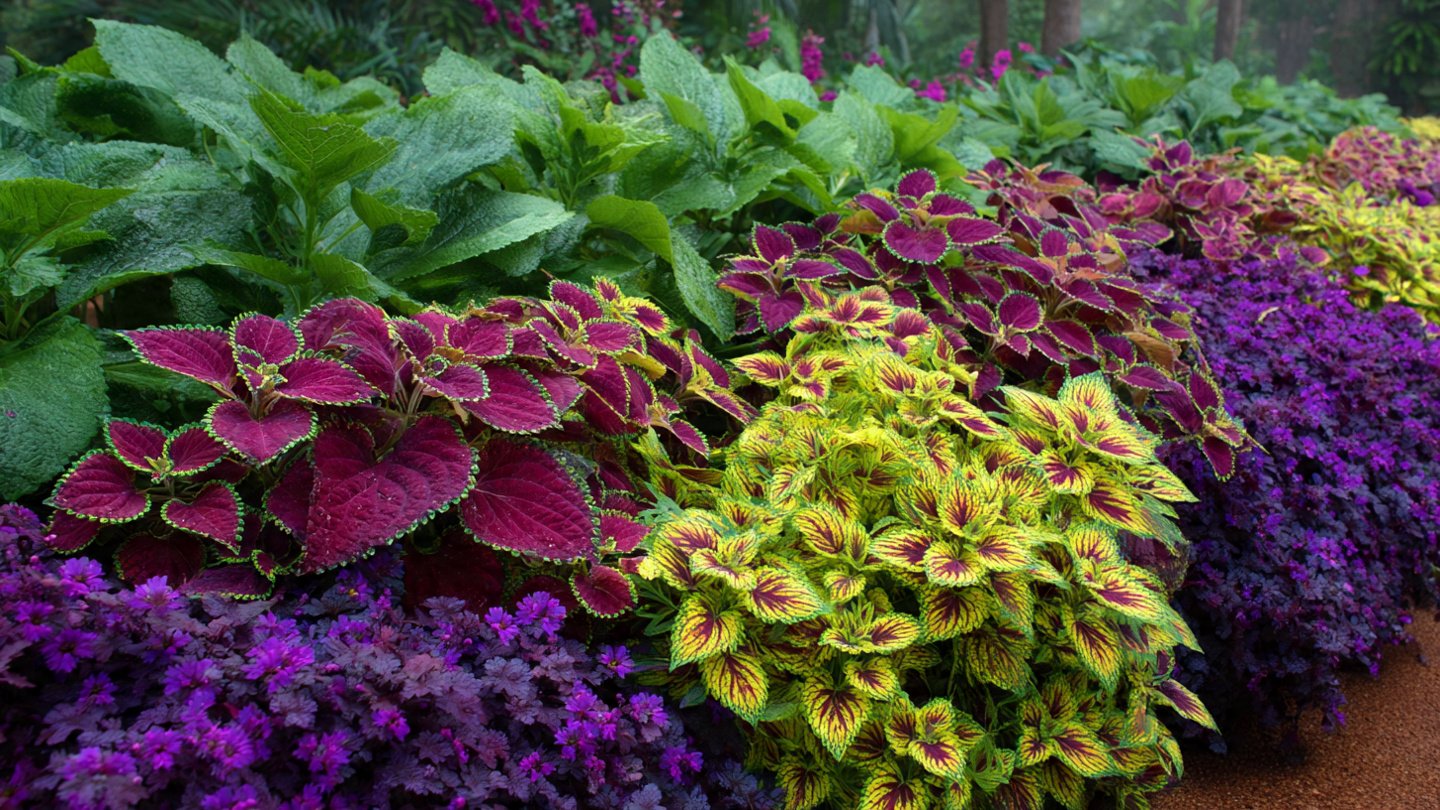
Coleus plants (Solenostemon scutellarioides) are beloved for their vibrant foliage and versatility in garden design. Originating from tropical regions, these stunning border plants can add color and life to any garden, making them an excellent choice for both novice and experienced gardeners. In this guide, we’ll explore how to grow coleus plants effectively, from choosing the right varieties to caring for them throughout the seasons.
Understanding Coleus Plants
Origins and Characteristics
Latest Posts
- Easy Steps to Successfully Grow Bhindi in Grow Bags at Home
- Easy Steps to Grow a Healthy Guava Bonsai at Home for Beginners
- How to Successfully Grow and Cultivate White Strawberry Plants at Home for Delicious and Unique Fruits
- Ultimate Guide to Successfully Growing Weeping Fig Outdoors with Proven Techniques and Expert Tips
- How to Successfully Grow Flemish Beauty Pear Trees in Canada for Optimal Harvest
- Easy Hack to Grow Strawberries Year Round in Your Home Garden for Delicious Harvests
- Growing Flemish Beauty Pears in Canada A Complete Guide for Local Gardens
- The Ultimate Guide to Growing Hibiscus Plants Year Round for Vibrant Blooms and Healthy Foliage
- Easy Ways to Boost the Growth Rate of Your Indoor Peace Lily for Lush Green Foliage
- How to Successfully Grow Oak Leaf Lettuce in Your Home Garden for Fresh and Flavorful Salads
Coleus plants are not just visually appealing; they are also known for their ability to thrive in various environments. These herbaceous perennials can reach heights of 1 to 3 feet and come in a wide array of colors — from greens and yellows to deep burgundies and purples. The foliage is typically the star of the show, with leaves that can be ruffled, serrated, or even speckled.
Suitable Varieties
There are many coleus varieties worth considering for your garden. Some popular options include:
- Wizard Mix: A classic mix with diverse colors, ideal for borders or in containers.
- Halos™ Series: Offers unique color combinations with a compact growth habit.
- Magilla: Known for its bold, colorful foliage with great heat tolerance.
- Kong Series: These plants are larger and can serve as centerpieces in your garden.

Planting Coleus
Selecting the Right Location
Coleus plants thrive best in partial shade to full shade, making them ideal for areas with filtered sunlight. In hotter climates, they can benefit from afternoon shade. Choosing the right location will help prevent the leaves from burning and maintain vibrant colors.
Soil Requirements
Coleus prefers a well-draining soil mix rich in organic matter. Ideally, aim for a pH level between 6.0 and 7.0. A blend of potting soil, peat moss, and compost will provide the nutrients needed for healthy growth.
Planting Process
- Timing: Coleus can be planted in spring after the last frost but can also be grown as annuals in warmer areas.
- Spacing: If creating a border, space the plants 12 to 18 inches apart to allow for optimal growth and airflow.
- Depth: When planting, make sure to bury the root ball at the same level it was in the pot. This helps the plant establish itself more easily.
Caring for Coleus
Watering
Coleus plants like consistent moisture but can be susceptible to root rot if overwatered. Water them deeply when the top inch of soil feels dry. In hot weather, daily watering may be required, whereas, in cooler seasons, you can reduce frequency.

Fertilizing
For lush growth, feed coleus every 4 to 6 weeks during the growing season with a balanced, water-soluble fertilizer. This will encourage bushy growth and enhance the vibrancy of the foliage.
Pruning
Regular pruning is essential to maintain the bushy appearance of coleus plants. Pinch back the tips of the stems to promote branching and fuller growth. Deadheading, while less relevant for coleus since they are often grown for foliage, can help keep the plants looking their best.
Pest Management
Coleus are generally resistant to pests, but they can be affected by aphids, spider mites, and whiteflies. Regular inspection can help catch infestations early. If pests are found, treat them with insecticidal soap or neem oil for effective management.
Seasonal Care
In colder climates, coleus plants are often grown as annuals because they cannot tolerate frost. However, they can be brought indoors during winter as houseplants or propagated to grow new plants in the next season. To do this, take cuttings of healthy stems in late summer and place them in water or soil.
Designing with Coleus
Creating Borders

Coleus plants are perfect for creating colorful borders around flower beds or pathways. Choose contrasting colors to make the most of your border. For instance, pairing deep burgundies with pale greens can create a striking visual effect.
Container Gardening
Coleus also thrives in containers, allowing you to showcase its vibrant foliage in various locations. Mix different varieties in a single pot for a lively display. Ensure proper drainage by using pots with holes at the bottom and fill them with quality potting mix.
Companion Planting
Consider companion planting with coleus to enhance both aesthetics and plant health. Planting alongside flowers like marigolds or zinnias can attract beneficial insects while providing a beautiful complement to the coleus colors.
Harvesting Coleus for Indoor Use
Although coleus is primarily enjoyed in gardens, they can also be used as cut foliage in arrangements. Harvesting involves snipping healthy stems just above a leaf node, which encourages the plant to produce more growth. Use the stems in floral arrangements or as focal points in vases.
FAQs
1. Can coleus survive in full sun?
While coleus can tolerate bright light, especially in cooler climates, they are best suited for partial shade. In full sun, their leaves may scorch and lose their vibrant colors.

2. How often should I water my coleus?
Coleus plants prefer consistently moist soil. Water them when the top inch of soil feels dry, usually every few days in warm weather. Adjust frequency based on the moisture level and weather conditions.
3. Is coleus a perennial or annual?
Coleus is typically grown as an annual in temperate zones, as it is sensitive to frost. However, it can be a perennial in USDA hardiness zones 10-11.
4. Can I propagate coleus plants?
Yes! Coleus plants can be easily propagated from cuttings. Snip healthy stems and either place them in water until roots form or plant them directly in moist soil.
5. What pests should I watch for on coleus?
Common pests include aphids, spider mites, and whiteflies. Regularly inspecting your plants can help you catch infestations early, and treatments like insecticidal soap can be effective.
6. Do I need to deadhead coleus plants?
Deadheading is not typically necessary for coleus, as they are primarily grown for their foliage. However, pinching back spent leaves can encourage more bushy growth.

7. What are the best companions for coleus in the garden?
Coleus pairs well with a variety of plants, including marigolds, zinnias, and salvia, which can enhance the visual appeal of your garden while serving practical purposes like pest control.
8. How can I prevent my coleus from getting leggy?
Pinching back the tips of the stems regularly promotes a bushier growth habit. Providing adequate light and nutrients can also help maintain a compact form.
9. What should I do if my coleus leaves start to fade in color?
Fading color may indicate insufficient light or nutrient shortage. Ensure they are in a suitable environment with partial shade and provide regular fertilization to enhance leaf color.
10. Can I bring coleus indoors during winter?
Yes, you can bring coleus plants indoors as houseplants during the winter months. Ensure they receive adequate light and maintain watering needs to keep them healthy throughout the colder season.
Conclusion
Coleus border plants are a fantastic addition to any garden, offering vibrant colors and unique foliage shapes. With the right conditions, care, and design, these plants can transform your outdoor space into a stunning display of natural beauty. Whether you’re creating borders, using containers, or designing garden beds, coleus plants are sure to impress season after season. Happy gardening!