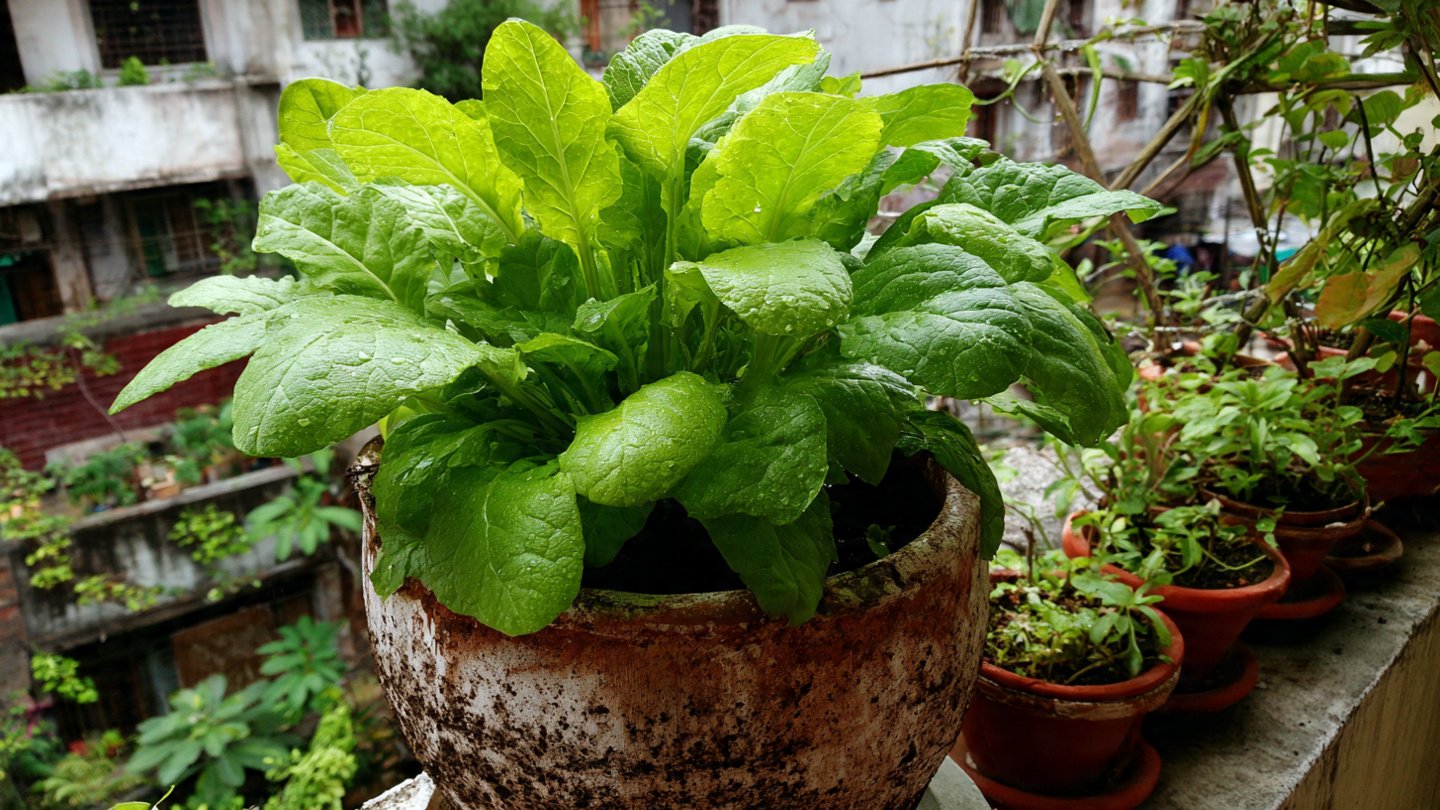
Urban gardening has gained immense popularity in recent years as more city dwellers look to nurture plants despite limited space. One of the most rewarding plants to grow in containers is Desi Palak, also known as Indian spinach. Renowned for its nutritional benefits and culinary versatility, Desi Palak is an excellent choice for urban gardeners. This guide will walk you through everything you need to know to successfully grow Desi Palak in containers.
Why Choose Desi Palak?
Desi Palak is a type of spinach that thrives in warmer climates, making it an ideal crop for urban gardeners in many parts of the world. Its vibrant green leaves are not only a rich source of iron, vitamins A and C, and antioxidants but also add unique flavors to various dishes, from traditional Indian curries to salads. Growing your own Desi Palak ensures you have access to this superfood right at your fingertips.
Latest Posts
- Easy Steps to Successfully Grow Bhindi in Grow Bags at Home
- Easy Steps to Grow a Healthy Guava Bonsai at Home for Beginners
- How to Successfully Grow and Cultivate White Strawberry Plants at Home for Delicious and Unique Fruits
- Ultimate Guide to Successfully Growing Weeping Fig Outdoors with Proven Techniques and Expert Tips
- How to Successfully Grow Flemish Beauty Pear Trees in Canada for Optimal Harvest
- Easy Hack to Grow Strawberries Year Round in Your Home Garden for Delicious Harvests
- Growing Flemish Beauty Pears in Canada A Complete Guide for Local Gardens
- The Ultimate Guide to Growing Hibiscus Plants Year Round for Vibrant Blooms and Healthy Foliage
- Easy Ways to Boost the Growth Rate of Your Indoor Peace Lily for Lush Green Foliage
- How to Successfully Grow Oak Leaf Lettuce in Your Home Garden for Fresh and Flavorful Salads
Step 1: Choosing the Right Container
Container Size
When growing Desi Palak, the size of the container matters. A pot with a minimum depth of 10-12 inches and a diameter of 12-16 inches is suitable to provide enough space for the roots while ensuring optimal drainage.
Material
Containers can be made from a variety of materials, including plastic, terracotta, or ceramic. Each material has its pros and cons:
- Plastic: Lightweight and retain moisture well, but may not provide optimal airflow.
- Terracotta: Porous and promote better air exchange, but can dry out quickly.
- Ceramic: Attractive and can retain moisture; however, they can be heavy and costly.
Drainage
Ensure that your container has drainage holes at the bottom to prevent waterlogging, which can lead to root rot.
Step 2: Choosing the Right Soil
Soil Type
Desi Palak prefers nutrient-rich, well-draining soil. A mix of potting soil, compost, and perlite or vermiculite will provide the right balance.
Soil pH
Aim for a soil pH of 6.0 to 7.0. You can test your soil pH with a simple pH meter or test kit. If your soil is too acidic, you can add lime; if it’s too alkaline, mix in some peat moss or sulfur.
Step 3: Seeds or Seedlings?
You can either start your Desi Palak garden from seeds or purchase seedlings.
Seeds
If starting from seeds, look for high-quality seeds from a reputable source. Plant seeds about half an inch deep and space them 3-4 inches apart.
Seedlings
If you prefer convenience, you can buy seedlings from a local nursery. When transplanting, ensure you handle the roots carefully to avoid damage.
Step 4: Planting Your Desi Palak
-
Fill your container: Begin by filling your container with your prepared soil mix, leaving about an inch of space from the top to allow for watering.
-
Sowing seeds: If planting seeds, create small holes or rows in the soil and drop in 2-3 seeds in each hole. Cover lightly with soil.
-
Transplanting seedlings: If using seedlings, dig a small hole for each plant, place the seedling in the hole, and gently pack the soil around it.
-
Watering: Give your newly planted seeds or seedlings a gentle watering to settle the soil.
Step 5: Sunlight Requirements
Desi Palak thrives in full sun but can tolerate partial shade. Ideally, ensure the plants receive at least 6 hours of sunlight per day. If your balcony or garden space lacks direct sunlight, consider using reflective materials to optimize light exposure.
Step 6: Watering
Consistent moisture is crucial for the healthy growth of Desi Palak:
- Frequency: Water your plants regularly, especially in warmer weather. The soil should be kept consistently moist but not soggy.
- Technique: Water the base of the plant to minimize water on the leaves, which can lead to fungal diseases.

Step 7: Fertilizing
Desi Palak benefits from regular feeding with a balanced, water-soluble fertilizer every 4-6 weeks. Look for fertilizers higher in nitrogen, as this promotes leafy growth.
Organic Options
For organic gardeners, compost tea or worm castings can be excellent fertilizers that also improve soil structure and fertility.
Step 8: Pest and Disease Management
While Desi Palak can be relatively pest-resistant, some common pests include aphids, spider mites, and snails. Here are some natural management strategies:
- Companion Planting: Grow garlic or marigolds nearby to deter pests.
- Natural Sprays: Use diluted neem oil or insecticidal soap to manage infestations.
Diseases
Watch for fungal diseases such as downy mildew or leaf spot. To prevent these, ensure proper air circulation around the plants, water in the morning, and avoid overcrowding.
Step 9: Harvesting Your Desi Palak
You can begin harvesting Desi Palak when the leaves are large enough to eat, typically around 4-6 weeks after sowing.
How to Harvest
- Use scissors or garden shears to cut the leaves from the outer part of the plant.
- Leave some leaves on the plant to encourage further growth.
Timing
Regular harvesting can encourage more leaves to grow. Always watch for mature leaves to ensure you’re picking them at peak freshness.
Step 10: Seasonal Considerations
Desi Palak is best grown in cooler seasons (spring and fall) when temperatures are between 50°F and 75°F. In hotter summer months, consider providing shade or growing it in a cooler environment.
FAQs
1. Can I grow Desi Palak indoors?
Yes, as long as you provide sufficient sunlight and maintain optimal temperatures, you can grow Desi Palak indoors. A south-facing window is ideal, or consider using grow lights.
2. How often should I water Desi Palak?
Water Desi Palak consistently to keep the soil moist but ensure proper drainage. Frequency will depend on environmental conditions but typically 2-3 times a week is ideal.

3. What are the best companion plants for Desi Palak?
Companion plants like garlic, onions, and marigolds are excellent choices. They can help deter pests and improve growth.
4. How do I store harvested Desi Palak?
Store harvested leaves in a plastic bag in the refrigerator for up to a week. For longer storage, consider blanching and freezing them.
5. Is Desi Palak safe for pets?
While Desi Palak is edible for humans, always consult with a veterinarian before feeding any new plants or vegetables to pets, as some herbs and plants can be toxic.
6. Can I grow Desi Palak year-round?
In moderate climates, Desi Palak can be grown year-round with careful attention to soil and climatic conditions. In extreme environments, crop rotation in cooler months is recommended.
Final Thoughts
Growing Desi Palak in containers is a rewarding endeavor for urban gardeners. Not only does it provide fresh, nutritious greens right at your doorstep, but it also allows you to engage with nature and enjoy the satisfaction of nurturing your food. With the right steps, even those with limited space can cultivate a thriving garden of this delicious and versatile plant. Join the growing movement of urban gardening and enjoy the benefits of homegrown Desi Palak!