Introduction
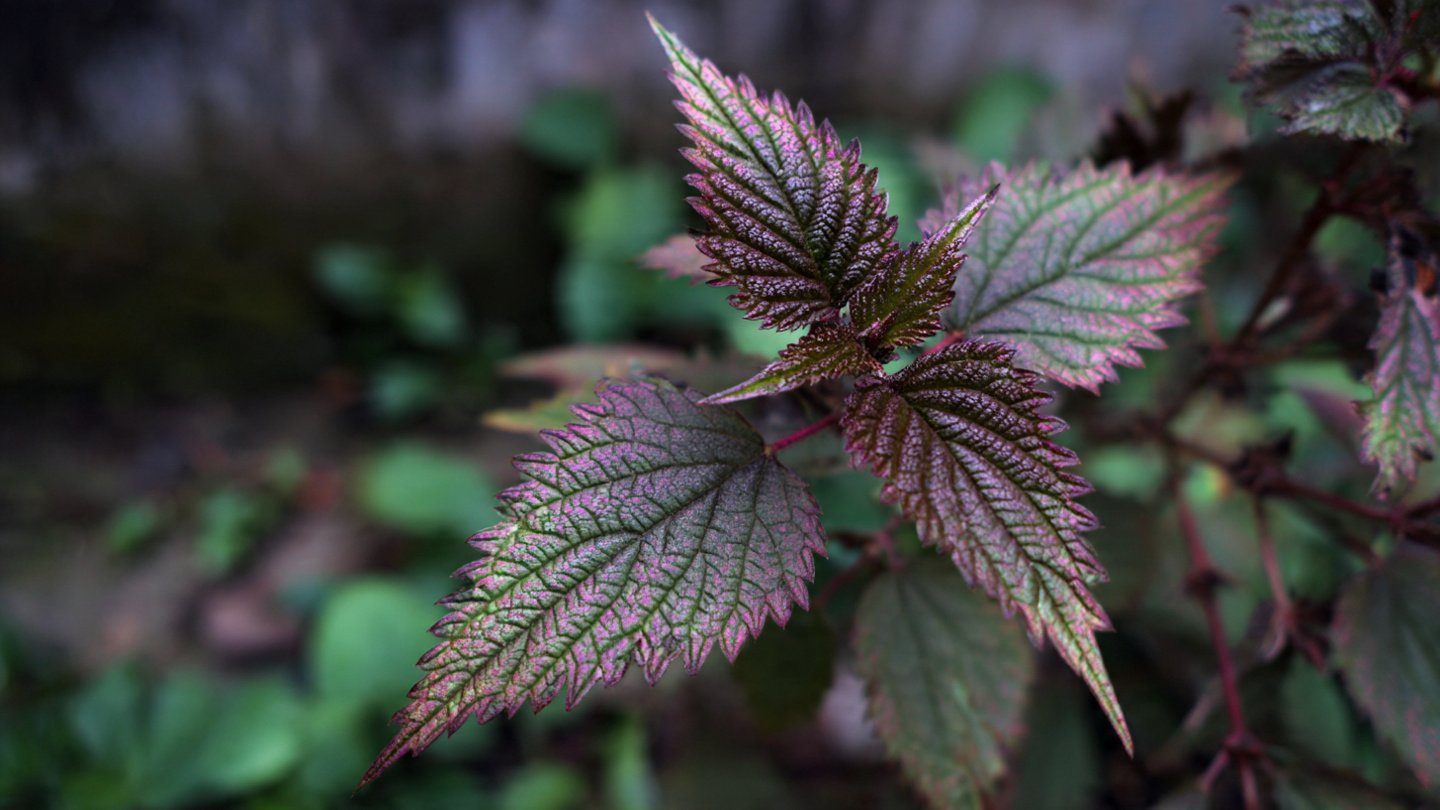
Painted nettle, scientifically known as Coleus, is a stunning ornamental plant prized for its vibrant foliage and stunning colors. With a variety of hues ranging from deep greens to vivid reds and purples, painted nettle can easily transform any garden space into a visually captivating display. Despite its exotic appearance, growing painted nettle is quite easy, even for novice gardeners. This article will guide you through effective methods for growing and caring for painted nettle, ensuring your garden bursts with color year-round.
Understanding Painted Nettle
Latest Posts
- Easy Steps to Successfully Grow Bhindi in Grow Bags at Home
- Easy Steps to Grow a Healthy Guava Bonsai at Home for Beginners
- How to Successfully Grow and Cultivate White Strawberry Plants at Home for Delicious and Unique Fruits
- Ultimate Guide to Successfully Growing Weeping Fig Outdoors with Proven Techniques and Expert Tips
- How to Successfully Grow Flemish Beauty Pear Trees in Canada for Optimal Harvest
- Easy Hack to Grow Strawberries Year Round in Your Home Garden for Delicious Harvests
- Growing Flemish Beauty Pears in Canada A Complete Guide for Local Gardens
- The Ultimate Guide to Growing Hibiscus Plants Year Round for Vibrant Blooms and Healthy Foliage
- Easy Ways to Boost the Growth Rate of Your Indoor Peace Lily for Lush Green Foliage
- How to Successfully Grow Oak Leaf Lettuce in Your Home Garden for Fresh and Flavorful Salads
What is Painted Nettle?
Painted nettle refers to various species within the Coleus genus, belonging to the mint family, Lamiaceae. These plants are native to tropical regions but can be cultivated in many climates, especially in USDA Hardiness Zones 10-11. What sets painted nettle apart from other plants is its striking leaf patterns and colors, which can often change with seasons and light exposure.
Why Choose Painted Nettle?
- Vibrant Colors: The foliage colors are rich and diverse, including shades of red, pink, yellow, and green.
- Varied Leaf Shapes: Painted nettle comes in numerous leaf shapes and sizes, allowing you to create exciting combinations in your garden.
- Easy to Grow: Its hardiness and adaptability in various conditions make painted nettle an excellent choice for beginner and experienced gardeners alike.
- Container-Friendly: They thrive in pots, making them perfect for small gardens or patios.
Selecting the Right Varieties

While many varieties exist, some popular options include:
- Coleus ‘Wizard Mix’: This variety has a mix of vibrant colors and is known for its compact growth.
- Coleus ‘Electric Lime’: Characterized by its neon green leaves, this variety adds a bright pop to any arrangement.
- Coleus ‘Redhead’: With bold red and maroon foliage, this plant stands out in any garden.
Choosing a variety that suits your garden’s color scheme will enhance your overall design.
Growing Conditions for Painted Nettle
Light Requirements
Painted nettles prefer partial shade to full sun. They thrive in bright, indirect light, although direct sunlight can scorch the leaves. Aim for at least 3-4 hours of filtered sunlight daily for optimal growth.
Soil Preference
A well-draining, nutrient-rich soil is essential. Use a potting mix that contains peat moss or perlite. Soil pH between 6.0 and 7.0 works best, promoting healthy root development.

Watering Needs
While painted nettle enjoys moisture, overwatering can cause root rot. Water the plants thoroughly when the top inch of soil feels dry. During hotter months, they may require more frequent watering.
Temperature and Humidity
Painted nettle thrives in warm conditions. Ideal temperatures range from 60°F to 75°F (15°C to 24°C). Higher humidity levels benefit these plants; if you live in a dry climate, consider misting the leaves or placing a humidifier nearby.
Planting Painted Nettle
From Seed
- Seed Selection: Choose high-quality seeds from a reputable supplier.
- Seedling Preparation: Start seeds indoors 6-8 weeks before the last frost. Use seed trays filled with potting mix and lightly cover the seeds.
- Watering: Mist the soil to keep it consistently moist but not soggy.
- Transplanting: Once seedlings are 4-6 inches tall and after the threat of frost has passed, transplant them outdoors with a spacing of 12-18 inches.
From Cuttings
- Cutting Selection: Choose healthy stems from a mature plant, ideally with a few leaves attached.
- Preparation: Trim the cuttings to approximately 4-6 inches, removing the lower leaves.
- Rooting: Place the cuttings in water or a damp potting mix. If using water, change it every few days until roots form.
- Transplanting: Once roots are established, transplant the cuttings outdoors in suitable conditions.

Caring for Painted Nettle
Fertilization
Feed painted nettle with a balanced, water-soluble fertilizer every 4-6 weeks during the growing season. Dilute the fertilizer to half-strength to prevent leaf discoloration or burning.
Pruning
Regular pruning encourages bushier growth and prevents the plants from becoming leggy. Pinch back the tips of the stems to promote lateral growth, and remove any dead leaves to maintain plant health.
Pest and Disease Control
Be on the lookout for pests like aphids and spider mites. Use insecticidal soap or neem oil as a natural remedy if infestations occur. Fungal diseases can be prevented by ensuring good air circulation and proper watering practices.
Creating Vibrant Displays with Painted Nettle

Combination Planting
Painted nettle pairs beautifully with flowers and other foliage plants. Consider planting alongside marigolds, begonias, or snapdragons for contrasting colors. Use the nettles as a backdrop or border to frame other plants.
Container Arrangements
If space is limited, painted nettle thrives in containers. Use varying pot sizes to create height and depth. Mixing different varieties of painted nettle can enhance the visual appeal, showcasing their stunning foliage.
Seasonal Considerations
In cooler climates, painted nettle is often grown as an annual due to frost sensitivity. However, in mild climates, they last throughout the winter. You can also take cuttings before the first frost to save your favorite varieties indoors.
FAQs
1. Can painted nettle be grown indoors?
Yes! Painted nettle can thrive indoors provided they receive adequate light. Place them near a window that offers bright, indirect sunlight.
2. How often should I water painted nettle?
Water painted nettle when the top inch of soil is dry. In summer, this may require watering every few days, while in winter, it may be less frequent.

3. Are painted nettles toxic to pets?
Painted nettle is generally considered non-toxic, but it’s always wise to monitor pets around houseplants to prevent any potential issues.
4. Can I propagate painted nettle in water?
Yes, propagated cuttings can root readily in water before being transplanted into soil. Ensure the water remains clean and fresh.
5. Do I need to pinch back painted nettle?
Absolutely! Pinching back the tips encourages bushier growth and helps create a fuller plant, making them even more visually striking.
Conclusion
Growing painted nettle is not only easy but also incredibly rewarding. Its beautiful foliage makes it a fabulous choice for any garden space, adding vibrant color and texture. By following the guidelines outlined in this article, you’ll cultivate a stunning painted nettle display that showcases your gardening prowess. Whether used in gardens, borders, or containers, painted nettle proves to be an indomitable favorite among ornamental plants. Happy gardening!