Introduction
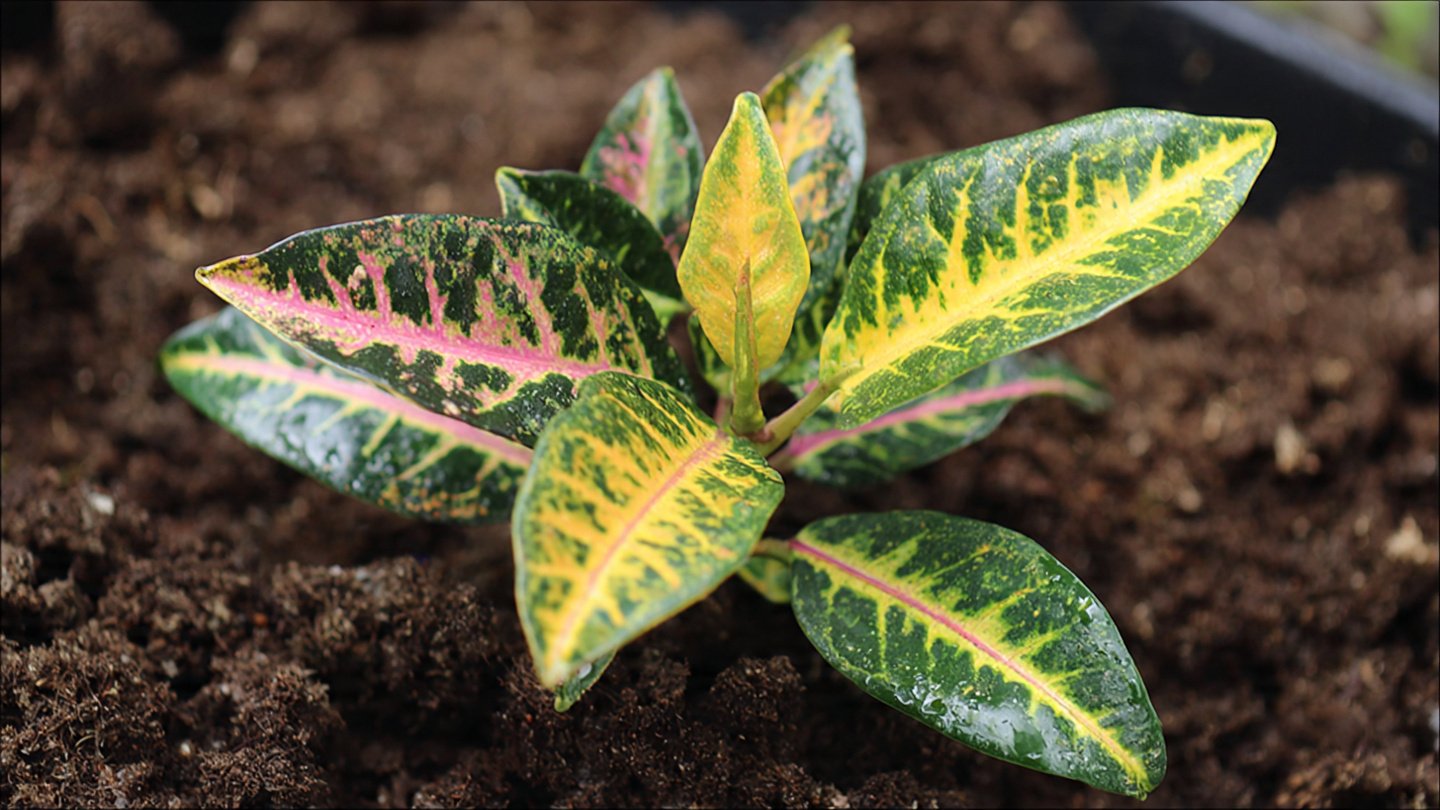
Variegated Croton (Codiaeum variegatum) is a tropical plant known for its vibrant, patterned leaves that can range in colors from green to yellow, red, and even purple. Originally native to Southeast Asia and the Pacific Islands, these lively plants have become popular for gardens and landscaping in warmer climates. While Crotons thrive in sunny environments, growing them outdoors year-round requires careful attention to their specific needs. This article will outline effective strategies for successfully cultivating Variegated Croton in outdoor settings.
Understanding Variegated Croton
Latest Posts
- Easy Steps to Successfully Grow Bhindi in Grow Bags at Home
- Easy Steps to Grow a Healthy Guava Bonsai at Home for Beginners
- How to Successfully Grow and Cultivate White Strawberry Plants at Home for Delicious and Unique Fruits
- Ultimate Guide to Successfully Growing Weeping Fig Outdoors with Proven Techniques and Expert Tips
- How to Successfully Grow Flemish Beauty Pear Trees in Canada for Optimal Harvest
- Easy Hack to Grow Strawberries Year Round in Your Home Garden for Delicious Harvests
- Growing Flemish Beauty Pears in Canada A Complete Guide for Local Gardens
- The Ultimate Guide to Growing Hibiscus Plants Year Round for Vibrant Blooms and Healthy Foliage
- Easy Ways to Boost the Growth Rate of Your Indoor Peace Lily for Lush Green Foliage
- How to Successfully Grow Oak Leaf Lettuce in Your Home Garden for Fresh and Flavorful Salads
Characteristics
Variegated Croton plants are characterized by:
- Leaf Variegation: The colorful foliage can have splashes of yellow, red, and orange against a dark green background.
- Growth Habit: Crotons can grow up to 3-10 feet tall, depending on the variety and conditions.
- Tropical Nature: They thrive in warm, humid environments and can be quite sensitive to changes in temperature and humidity.
Growing Zones
Variegated Croton is best suited for USDA hardiness zones 9-11. In these zones, they can be grown outdoors year-round. In colder areas, Crotons can be grown in containers and brought indoors during winter.
Best Strategies for Growing Variegated Croton Outdoors
1. Selecting the Right Location
Sunlight: Crotons require full sun to partial shade. Ideally, they should receive at least 6 hours of direct sunlight daily. A south or west-facing location is excellent for maximizing sun exposure.

Shelter: While Crotons love the sun, they are slightly sensitive to strong winds. Plant them in a sheltered spot or near a wall to protect them from harsh weather.
2. Soil Preparation
Well-Draining Soil: Crotons thrive in sandy, loamy, or even clay soils as long as they drain well. Heavy, compact soils can lead to root rot.
Soil pH: Aim for a slightly acidic to neutral pH (between 6.0 and 7.0). You can conduct a soil test to determine the pH level and amend it accordingly.
Organic Matter: Mix in compost or well-rotted manure to improve soil fertility and structure. This will help retain moisture while providing essential nutrients.
3. Watering Techniques
Consistency: Crotons prefer consistently moist soil but do not like to sit in water. Water them regularly to keep the soil moist during dry spells.
Check for Drainage: Ensure pots or garden beds have drainage holes to prevent waterlogging. Adjust your watering schedule during rainy periods.
Mulching: Apply a layer of organic mulch around the plant base to help retain soil moisture and regulate temperature.
4. Fertilization
Type of Fertilizer: Use a balanced, slow-release fertilizer high in nitrogen during the growing season (spring through summer). Organic fertilizers like fish emulsion or seaweed extract are also good options.
Timing: Fertilize every 4 to 6 weeks to promote healthy growth. Reduce or stop fertilization during the fall and winter months when the plant’s growth slows.
5. Pruning and Maintenance
Regular Pruning: Prune your Croton annually to maintain its shape and promote bushier growth. Remove any dead or yellowing leaves to ensure good air circulation.
Pest Control: Keep an eye out for common pests like aphids, spider mites, and mealybugs. If infestations occur, treat plants with insecticidal soap or neem oil.
Fungal Issues: Ensure good air circulation and avoid overhead watering to prevent fungal diseases. If leaf spots or mildew appear, remove affected areas and apply a fungicidal spray as necessary.
6. Winter Care
If you live in a region that experiences a drop in temperature below 50°F (10°C), you need to adopt some winter care strategies.
Container Plants: If your Crotons are in pots, bring them indoors or to a sheltered area during cold months. Place them near a sunny window for adequate light.
Protection: For in-ground plants, cover the base with mulch or burlap to protect roots from frost. In extreme cases, consider using frost covers on particularly cold nights.

7. Understanding the Microclimate
Microclimates can significantly affect your ability to grow Crotons successfully. Factors such as shade from buildings, wind direction, and surrounding plants can create varying conditions.
Assess Your Garden: Take time to understand the microclimates in your garden space. This will help you identify the best location for your Crotons.
Utilizing Walls and Fences: Walls can retain heat and create warmer conditions for your plants. Use them to your advantage for planting Crotons.
Common Challenges and Solutions
1. Leaf Dropping
Causes: This can occur due to underwatering, overwatering, or stress from rapid temperature changes.
Solution: Ensure a consistent watering schedule and monitor the plant for other stress factors, adjusting care as needed.
2. Fading Color
Causes: Insufficient sunlight can cause leaf color to become pale or dull.
Solution: If leaves are losing their vibrancy, consider relocating the plant to a sunnier spot.

3. Pest Infestations
Causes: Aphids and spider mites can attack Crotons, especially in warm, dry weather.
Solution: Regularly inspect the foliage and employ organic pest control methods when necessary.
Frequently Asked Questions (FAQs)
1. Can I grow Variegated Croton indoors?
Yes, you can grow them indoors in bright, indirect sunlight. Ensure they have sufficient humidity and avoid placing them near drafts.
2. How often should I water my Croton?
Water your Croton when the top inch of soil feels dry. This typically means watering them about once a week, adjusting based on weather conditions.
3. What type of fertilizer is best for Crotons?
A balanced, slow-release fertilizer high in nitrogen is ideal during the growing season. Organic options like fish emulsion work well too.
4. Can Crotons tolerate drought?
While Crotons can survive short periods of drought, stressing them can lead to leaf drop and reduced growth. Consistent moisture is crucial for healthy plants.

5. What pests should I be aware of when growing Croton outdoors?
Common pests include aphids, spider mites, and mealybugs. Regular inspections and preventative care can help manage these pests.
6. How can I propagate Variegated Croton?
Crotons can be propagated through stem cuttings. Take a cutting with at least two to three leaves, let it callous for a day, then plant it in moist soil.
7. Is Variegated Croton toxic to pets?
Yes, Crotons are considered toxic to cats and dogs if ingested. Keep them out of reach of pets and monitor any interactions.
8. What happens if my Croton plant shows signs of yellowing leaves?
Yellowing leaves may indicate overwatering, nutrient deficiency, or inadequate light. Assess your care routines and make necessary adjustments.
Conclusion
Successfully growing Variegated Croton outdoors year-round is a rewarding endeavor for any gardener. By understanding their specific needs related to sunlight, soil, water, and care, you can cultivate these vibrant plants to thrive in your outdoor spaces. With regular attention and care, your Crotons will provide a touch of tropical beauty, making your garden a colorful paradise all year long. Happy gardening!