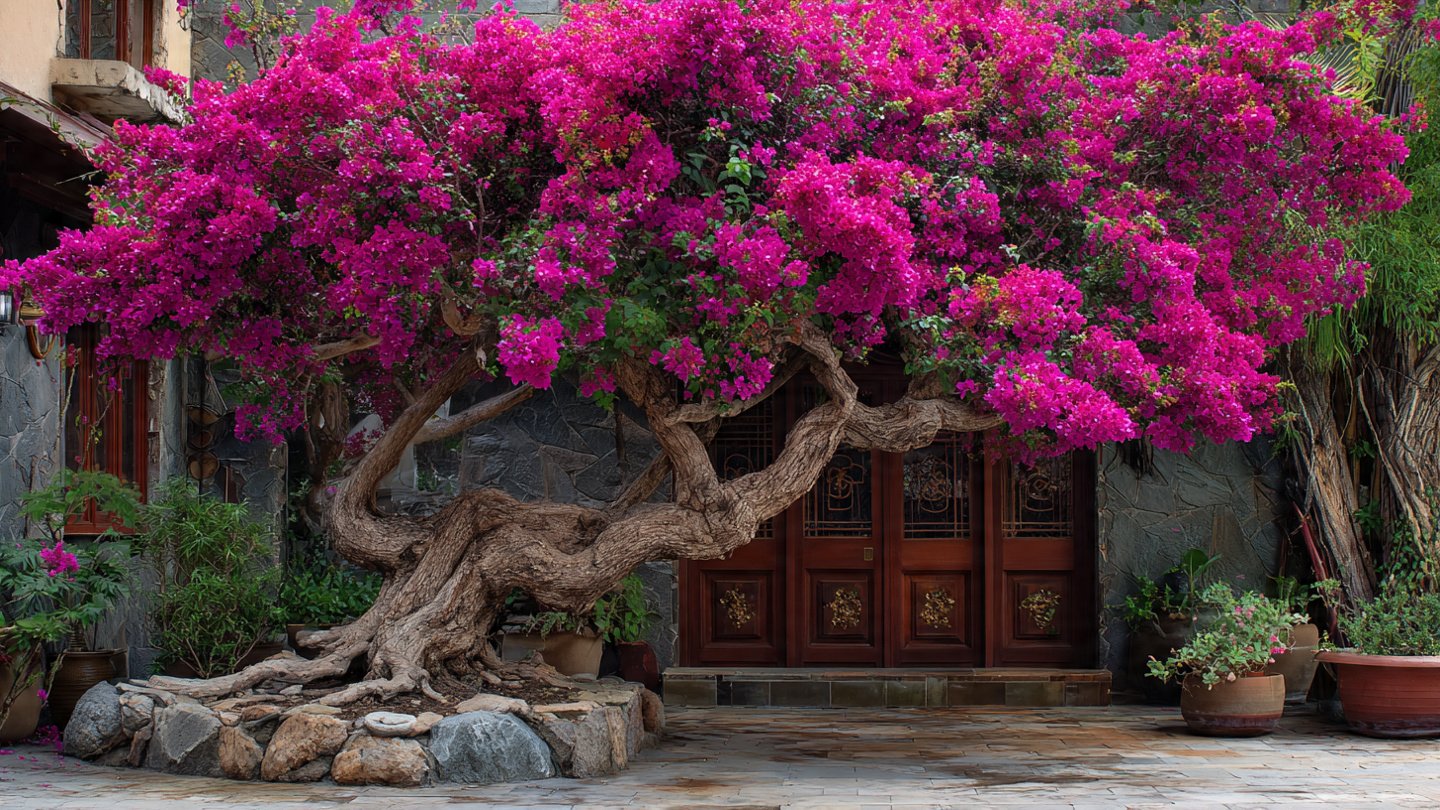
Bougainvillea, with its vibrant colors and hardy nature, is a favorite among gardeners and landscape designers alike. While traditionally grown as a sprawling vine, training bougainvillea to take on a tree-like form can enhance its aesthetic appeal and make it a stunning focal point in any garden. This guide will walk you through the steps to successfully transform this beautiful plant into a tree.
Understanding Bougainvillea
A Brief Overview
Latest Posts
- Easy Steps to Successfully Grow Bhindi in Grow Bags at Home
- Easy Steps to Grow a Healthy Guava Bonsai at Home for Beginners
- How to Successfully Grow and Cultivate White Strawberry Plants at Home for Delicious and Unique Fruits
- Ultimate Guide to Successfully Growing Weeping Fig Outdoors with Proven Techniques and Expert Tips
- How to Successfully Grow Flemish Beauty Pear Trees in Canada for Optimal Harvest
- Easy Hack to Grow Strawberries Year Round in Your Home Garden for Delicious Harvests
- Growing Flemish Beauty Pears in Canada A Complete Guide for Local Gardens
- The Ultimate Guide to Growing Hibiscus Plants Year Round for Vibrant Blooms and Healthy Foliage
- Easy Ways to Boost the Growth Rate of Your Indoor Peace Lily for Lush Green Foliage
- How to Successfully Grow Oak Leaf Lettuce in Your Home Garden for Fresh and Flavorful Salads
Native to South America, bougainvillea thrives in warm climates. Its most striking feature is its colorful bracts (modified leaves), which can appear in shades of purple, pink, red, orange, and white. The actual flowers are small and less noticeable, often overshadowed by the vibrant bracts.
Growth Habit
Bougainvillea is a fast-growing plant that can be either a vine or shrub, depending on how it’s grown and pruned. With proper care, bougainvillea can easily grow to heights of 15 to 30 feet, making it suitable for tree training.
Why Train Bougainvillea as a Tree?
-
Space Utilization: Training bougainvillea as a tree allows for better space management, particularly in small gardens.
-
Visual Appeal: A tree-form bougainvillea adds height and structure to a garden, creating a stunning visual impact.
-
Accessibility: A tree form makes it easier to enjoy the flowers at eye level, enhancing the sensory experience.
The Basics of Tree Training
Selecting the Right Variety
Not all bougainvillea varieties are equally suited for tree training. Look for varieties that exhibit a bushy growth habit, such as:
- Bougainvillea glabra: This species is more compact and easier to manage.
- Bougainvillea spectabilis: Known for its larger bracts and robust growth.
Choosing the Right Location
-
Sunlight: Bougainvillea thrives in full sunlight. Choose a spot that receives at least 5-6 hours of direct sunlight daily.
-
Soil: Well-draining soil is essential. Consider amending heavy soils with sand or perlite to improve drainage.
-
Space: Ensure there is adequate space for the bougainvillea to grow upward, both laterally and vertically.
Steps to Train Bougainvillea as a Tree
Step 1: Start with a Young Plant
The best time to begin training bougainvillea is when the plant is young—ideally, when it is about 1-2 feet tall. A young plant is more adaptable and easier to manipulate.
Step 2: Choose the Central Leader
Select the strongest stem to serve as the central leader—the trunk of your tree. This stem should be vigorous and straight. If multiple stems are competing, pinch back the weaker ones to encourage the growth of your chosen central leader.
Step 3: Support the Plant
As your bougainvillea grows, it will require support to retain its tree shape. You can do this in a few ways:
-
Stake the Plant: Use a wooden stake or metal rod to support the central leader until it has developed sufficient strength.
-
Tie with Soft Materials: Use soft ties (like garden twine) to prevent damage while securing the plant to the stake.
-
Regular Adjustments: As the plant grows, adjust the support as necessary to ensure the central leader remains vertical.
Step 4: Prune for Structure
Regular pruning is essential for shaping your bougainvillea into a tree:
-
Remove Lateral Growth: Pinch back any branches that grow too low or compete with the central leader. This helps to establish a taller tree form.
-
Encourage Branching: After a few months of growth, encourage lateral branches to develop by pinching the tips of the new growth. This will create a fuller canopy.
-
Seasonal Pruning: Late winter or early spring, just before the growing season begins, is an ideal time for a more extensive prune to shape the tree.
Step 5: Fertilize Wisely
Bougainvillea is a heavy feeder. Apply a balanced fertilizer every 4-6 weeks during the growing season. Look for fertilizers higher in phosphorus and potassium, as these encourage blooming.
Step 6: Watering
While bougainvillea prefers well-draining soil, it still needs regular watering, especially during the hot summer months. Water deeply and allow the soil to dry out between watering. Overwatering can lead to root rot, so always check the soil moisture levels.
Step 7: Monitor Growth and Health
Regularly check your bougainvillea for signs of distress, pests, or diseases. Common issues include fungal infections and aphid infestations.
-
Fungal Infections: Keep the foliage dry and ensure good air circulation to prevent fungal diseases.
-
Aphids and Pests: Regularly inspect for pests. Use neem oil or soapy water as a natural treatment.
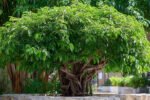
Additional Tips for Success
Choosing the Right Mulch
Applying mulch around the base of the tree can help retain moisture and control weeds. Choose organic mulch to improve soil quality as it breaks down.
Seasonal Considerations
In colder climates, it may be necessary to protect your bougainvillea during the winter months. Consider wrapping the base with burlap or moving potted plants to a sheltered location.
Training Techniques
-
Crown Thinning: As the branches grow, occasionally thin out the canopy to allow light into the center. This helps maintain a healthy structure.
-
Wiring: For more defined shapes, consider using wire to train the branches. Be cautious with tight wiring as it can damage the growth.
-
Topiary Techniques: As your bougainvillea matures, using topiary techniques can add an extra level of style and sophistication.
Creating Visual Interest
Consider planting shorter companion plants around the base to make your bougainvillea stand out. Colorful annuals or perennial flowers can create a stunning display that adds depth to your garden.
Troubleshooting Common Issues
-
Lack of Blooms: If your bougainvillea isn’t flowering, check for inadequate sunlight, over-fertilization, or excessive watering.
-
Slow Growth: Poor soil drainage or insufficient light may be the culprits for slow growth.
-
Leaf Drop: If leaves are falling, it could be due to temperature changes, overwatering, or suddenly changing care routines.
Final Thoughts
Training bougainvillea into a tree form requires patience and a bit of artistry. With the right care, you’ll have a stunning centerpiece that flourishes with vibrant colors, showcasing the full beauty of this remarkable plant. By following the steps outlined in this guide, you’re well on your way to growing a majestic bougainvillea tree that will serve as a delightful focal point in your garden for years to come. Happy gardening!