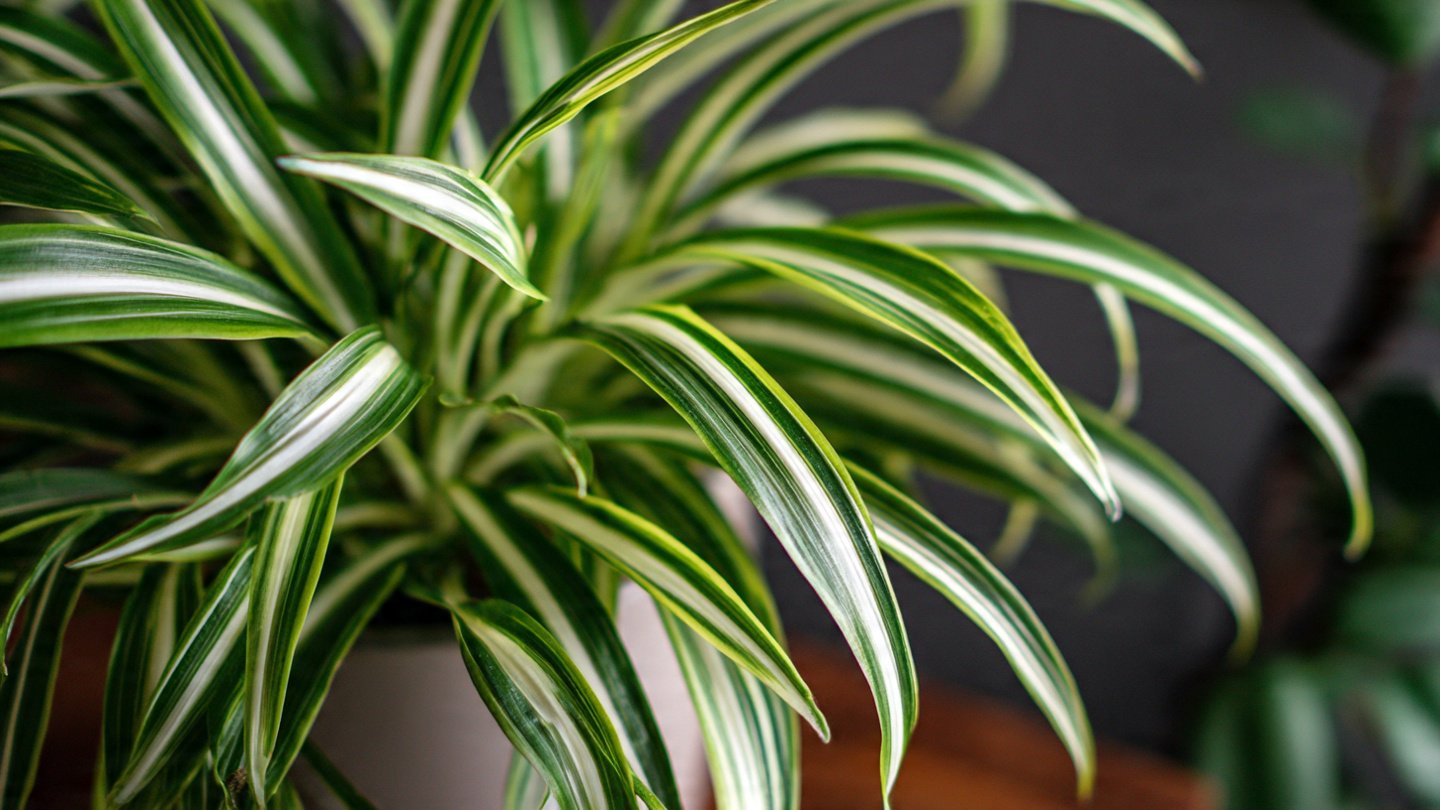
Variegated Spider Plants (Chlorophytum comosum ‘Vittatum’) are beloved indoor plants known for their striking appearance and resilience. With their lush green leaves adorned with creamy white stripes, these plants not only add beauty to your home but are also excellent air purifiers. This article will guide you through the steps necessary for successfully growing variegated spider plants indoors, ensuring lush greenery and beautiful foliage all year round.
Choosing the Right Environment
Light Requirements
Latest Posts
- Easy Steps to Successfully Grow Bhindi in Grow Bags at Home
- Easy Steps to Grow a Healthy Guava Bonsai at Home for Beginners
- How to Successfully Grow and Cultivate White Strawberry Plants at Home for Delicious and Unique Fruits
- Ultimate Guide to Successfully Growing Weeping Fig Outdoors with Proven Techniques and Expert Tips
- How to Successfully Grow Flemish Beauty Pear Trees in Canada for Optimal Harvest
- Easy Hack to Grow Strawberries Year Round in Your Home Garden for Delicious Harvests
- Growing Flemish Beauty Pears in Canada A Complete Guide for Local Gardens
- The Ultimate Guide to Growing Hibiscus Plants Year Round for Vibrant Blooms and Healthy Foliage
- Easy Ways to Boost the Growth Rate of Your Indoor Peace Lily for Lush Green Foliage
- How to Successfully Grow Oak Leaf Lettuce in Your Home Garden for Fresh and Flavorful Salads
Variegated spider plants thrive in bright, indirect sunlight, which enhances their vibrant foliage. Too little light can lead to leggy growth, while too much direct sunlight can scorch the leaves. Ideally, place your plant near a window with filtered sunlight or in a well-lit room.
Tips for Light Placement:
- Avoid north-facing windows which provide low light.
- East-facing windows offer gentle morning sunlight, suitable for spider plants.
- Use sheer curtains to diffuse harsh light if you must place your plants near south or west-facing windows.
Temperature and Humidity
These plants prefer temperatures between 65°F to 75°F (18°C to 24°C) during the day and slightly cooler at night. They can tolerate a range of humidity levels, but moderate humidity (40%-60%) is ideal. Spider plants are adaptable and can handle occasional fluctuations but avoid placing them near drafts or heating vents.

Soil and Potting
Choosing the Right Soil
Variegated spider plants prefer well-draining potting soil. A mix designed for houseplants or a blend of potting soil with additional perlite or sand works well. This ensures adequate drainage while retaining some moisture.
Pot Selection
Select a pot with drainage holes to prevent root rot. Spider plants prefer to be slightly root-bound, so choose a pot that is just 1-2 inches larger in diameter than the current pot. Terracotta pots can be a good choice as they are porous, allowing for better airflow to the roots.
Repotting
Repot your spider plants every 2-3 years or when they outgrow their pot. Spring is the best time for repotting as the plant is actively growing. Gently remove the plant from its pot, shake off excess soil, and place it in a new container with fresh potting mix.
Watering Techniques
Proper Watering
Water your variegated spider plant when the top inch of soil feels dry. Overwatering is a common mistake, leading to root rot. Neither let the pot sit in standing water nor allow the soil to dry out completely.
Water Quality
Spider plants are sensitive to chemicals in tap water. If possible, use distilled water, rainwater, or let tap water sit out for 24 hours to allow chlorine to dissipate before watering.
Fertilizing
During the growing season (spring and summer), feed your spider plant with a balanced, water-soluble fertilizer every 4-6 weeks. Reduce fertilization in fall and winter when the plant is dormant. Over-fertilization can lead to leaf burn and poor growth, so follow the manufacturer’s instructions carefully.
Pruning and Maintenance
Regular Pruning
To maintain the shape of your spider plant and encourage bushier growth, regularly prune any brown tips or unhealthy leaves. This not only rejuvenates the plant but also improves its overall health.
Removing Offsets
Spider plants produce “pups” or offsets that can be separated and replanted. These pups are small clones of the parent plant and can be propagated in water or directly in the soil. Allow the offsets to develop roots before removing them from the parent plant.
Pest Management
While spider plants are generally hardy, they can still be susceptible to pests like spider mites and aphids. Here’s how to manage them:
- Inspection: Regularly check the leaves for signs of pests.
- Cleaning: Wipe the leaves with a damp cloth to remove dust and potential pests.
- Natural Remedies: If pests are spotted, use insecticidal soap or neem oil spray to treat the infested areas.

Common Problems and Solutions
Leaf Browning
Brown leaf tips can be a sign of underwatering or low humidity. Ensure consistent watering and consider placing a humidifier nearby if your indoor air is particularly dry.
Dropping Leaves
If your spider plant is dropping leaves, it may be a sign of overwatering. Check for soggy soil and ensure proper drainage.
Leggy Growth
Leggy growth can occur due to insufficient light. Move your plant to a brighter location, ensuring it receives enough indirect sunlight to thrive.
Styling Your Space with Variegated Spider Plants
Variegated spider plants can enhance the aesthetics of any room. Here are tips on styling them:
- Hanging Baskets: Use hanging planters to display their trailing vines.
- Table Centerpieces: Place them on a pedestal or table to create visual interest.
- Group Planting: Combine them with other houseplants to create a lush indoor garden.

FAQs
1. How often should I water my variegated spider plant?
Water the plant when the top inch of soil feels dry. This usually means once every 1-2 weeks, depending on the climate and time of year.
2. Do variegated spider plants need direct sunlight?
No, they thrive in bright, indirect sunlight. Direct sunlight can scorch the leaves.
3. How do I propagate my spider plant?
You can propagate spider plants by separating the pups that grow from the parent plant. Place these pups in water until roots develop, then transplant them into soil.
4. What pests should I watch for?
Common pests include spider mites, aphids, and mealybugs. Inspect your plant regularly and treat as needed.

5. Why are the tips of my spider plant’s leaves turning brown?
Brown tips may indicate underwatering or low humidity. Adjust your watering schedule and consider using a humidifier.
6. Can I grow spider plants in low light?
While they can tolerate low light conditions, growth may become spindly. They perform best in bright, indirect light.
7. How often should I fertilize my spider plant?
Fertilize every 4-6 weeks during the growing season (spring and summer) with a balanced, water-soluble fertilizer. Reduce frequency in fall and winter.
Conclusion
With the right care and attention, growing variegated spider plants indoors can yield lush greenery and stunning foliage that enhances your living space. By understanding their environmental needs, watering requirements, and maintenance techniques, you can enjoy the beauty and benefits of these delightful plants for years to come. So, whether you’re a novice plant parent or an experienced gardener, the variegated spider plant can fit beautifully into your indoor jungle!