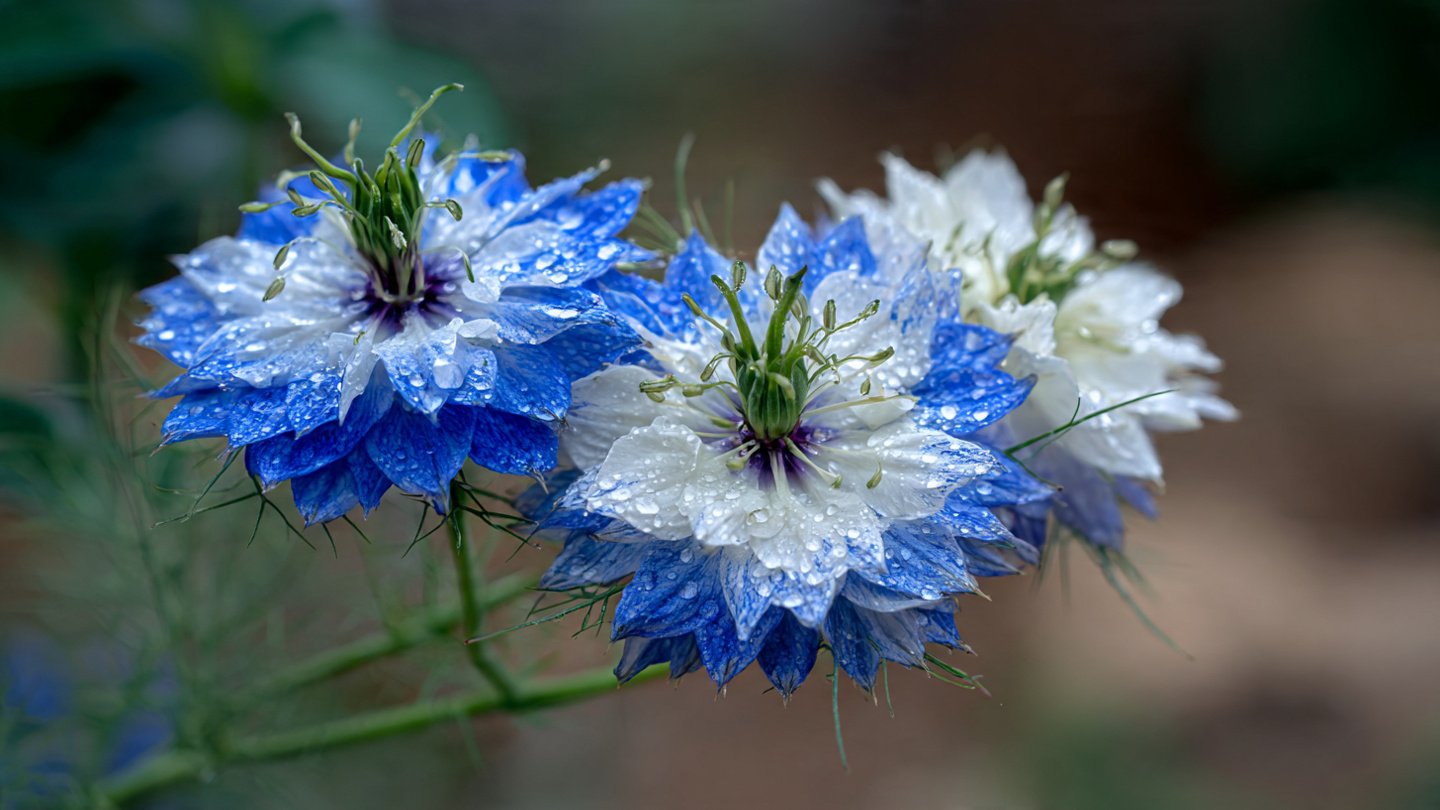
Nigella, commonly known as love-in-a-mist, is a charming annual flower that adds exquisite beauty and whimsy to any garden. Known for its delicate blooms encased in fern-like foliage, the Nigella Blue and White Mix offers a striking color combination that can create stunning visual displays. In this article, we will explore how to successfully grow this lovely mix, from choosing the right location to caring for the plants as they flourish.
Understanding Nigella
Nigella (Nigella damascena) belongs to the Ranunculaceae family and is native to North Africa and Southwest Asia. The plant typically features feathery, fern-like leaves and produces dainty flowers in shades of blue and white, complemented by unique seedpods that remain visually appealing long after blooming.
Latest Posts
- Easy Steps to Successfully Grow Bhindi in Grow Bags at Home
- Easy Steps to Grow a Healthy Guava Bonsai at Home for Beginners
- How to Successfully Grow and Cultivate White Strawberry Plants at Home for Delicious and Unique Fruits
- Ultimate Guide to Successfully Growing Weeping Fig Outdoors with Proven Techniques and Expert Tips
- How to Successfully Grow Flemish Beauty Pear Trees in Canada for Optimal Harvest
- Easy Hack to Grow Strawberries Year Round in Your Home Garden for Delicious Harvests
- Growing Flemish Beauty Pears in Canada A Complete Guide for Local Gardens
- The Ultimate Guide to Growing Hibiscus Plants Year Round for Vibrant Blooms and Healthy Foliage
- Easy Ways to Boost the Growth Rate of Your Indoor Peace Lily for Lush Green Foliage
- How to Successfully Grow Oak Leaf Lettuce in Your Home Garden for Fresh and Flavorful Salads
Varieties of Nigella
- Nigella damascena ‘Miss Jekyll’: Known for its large, multi-petaled blooms that often come in blue or white.
- Nigella damascena ‘Persian Jewels’: This has a more diverse color palette, including purple and pink.
- Nigella damascena ‘Blue Star’: Famous for its vivid blue flowers and contrasting dark green foliage.
The Blue and White Mix typically combines the best of these characteristics, providing a simple yet stunning look.
Why Grow Nigella?
Nigella is not just visually appealing; it also brings several benefits to your garden:
- Pollinator Friendly: The fragrant flowers attract bees, butterflies, and other beneficial insects.
- Self-Seeding: Once established, they can self-seed, making them easy to care for in subsequent years.
- Minimal Care: Nigella is relatively low maintenance, making it an excellent choice for gardeners of all skill levels.
- Great Cut Flowers: The blooms are excellent for floral arrangements, adding texture and color.
Selecting the Right Location
When growing Nigella Blue and White Mix, location is crucial for optimal growth and blooming. Here are some factors to consider:
Sunlight Requirements
Nigella thrives in full sun to partial shade. Ideally, choose a location that receives at least 6 hours of sunlight daily. Too much shade can lead to leggy growth, while too much sun in extremely hot areas may stress the plants.
Soil Conditions
Nigella prefers well-drained soil that is slightly alkaline to neutral (pH 6.0-7.0). You can enhance soil quality by incorporating organic matter such as compost. Avoid overly rich soil, as this can lead to lush foliage but fewer flowers.
Spacing
When planning your garden layout, consider how much space you will give each plant. A spacing of 10-12 inches allows for optimal air circulation and helps prevent fungal diseases.
Planting Nigella
Once you’ve selected the right location, it’s time to plant your Nigella Blue and White Mix. There are two primary methods for planting: direct sowing and transplanting.
Direct Sowing
- Timing: The best time to sow Nigella seeds outdoors is in the spring, after the last frost. In temperate climates, you can also plant in early autumn for overwintering.
- Method:
- Clear the area of weeds and debris.
- Rake the soil to break up any clumps and create a fine seed bed.
- Sow the seeds about 1/4 inch deep and water them gently.
- Lightly cover the seeds with soil and gently tamp down.
Transplanting
If you prefer to start seeds indoors, follow these steps:
- Timing: Start seeds indoors about 6-8 weeks before the last frost date.
- Containers: Use seed trays or small pots filled with seed-starting mix.
- Germination: Keep the seedlings moist and place them in a warm, well-lit area.
- Transplanting: Once seedlings develop at least two sets of true leaves, harden them off by gradually exposing them to outdoor conditions. Transplant them into your garden after the last frost.
Caring for Your Nigella Plants
Once planted, Nigella requires minimal care, but a few key practices will promote healthy growth and abundant blooms.
Watering
After sowing or transplanting, water the plants thoroughly to encourage deep root growth. Once established, Nigella is relatively drought-tolerant but benefits from regular watering during particularly dry spells. Aim to keep the soil consistently moist but not waterlogged.
Fertilization
If your soil is rich in organic matter, additional fertilization may not be necessary. However, if your soil lacks nutrients, consider applying a balanced, slow-release fertilizer in early spring. Be cautious not to over-fertilize, as this can lead to excessive foliage growth at the expense of flowers.

Weed Control
Weeds can compete with your Nigella for nutrients and water. Regularly check for weeds and remove them by hand or with mulch to suppress their growth. A 2-3 inch layer of organic mulch can also help retain soil moisture.
Pest and Disease Management
Nigella is generally pest-resistant, but it may occasionally attract aphids or spider mites. To manage pests, consider introducing beneficial insects, like ladybugs, or using insecticidal soap if necessary. Fungal diseases can occur in damp conditions, so ensure proper air circulation by spacing your plants appropriately and avoiding overhead watering.
Harvesting and Using Nigella
As flowering begins, you can start enjoying the blooms both in your garden and in floral arrangements. Here’s how to maximize their beauty:
Cut Flowers
- Timing: Cut the blooms in the morning when temperatures are cooler for longer-lasting cut flowers.
- Method: Use sharp scissors or pruning shears to cut the stems at an angle. Remove any leaves that will sit below the waterline in your vase.
Seed Pods
Once the flowers fade, they develop unique seed pods that can also be harvested and used in dried arrangements or as a decorative element in your garden. Allow the pods to dry on the plant, then cut them for use.
Culinary Uses
The seeds of Nigella, known as black cumin or kalonji, are often used as a spice in various cuisines. However, ensure that you are harvesting the correct species, as some Nigella varieties may not be suitable for consumption.
Companion Planting with Nigella
To enhance the beauty of your garden and promote healthy growth, consider companion planting with Nigella. Some excellent companion plants include:
- Cornflowers: Their vibrant blue hues complement Nigella beautifully.
- Poppies: Their more substantial blooms pair well with the delicate nature of Nigella.
- Herbs like Dill and Fennel: These attract beneficial insects that can promote a healthier garden ecosystem.
Conclusion
Growing Nigella Blue and White Mix offers a wonderful opportunity to enhance your garden’s visual appeal while also benefiting local wildlife. This charming plant is easy to cultivate and maintain, making it a favorite among novice and experienced gardeners alike. By following the guidelines outlined in this article, you will be well-equipped to create a stunning garden display that showcases the delicate beauty of Nigella. Whether you enjoy its blooms in the garden or as cut flowers in your home, Nigella will surely add a touch of whimsical charm to your landscape. Happy gardening!