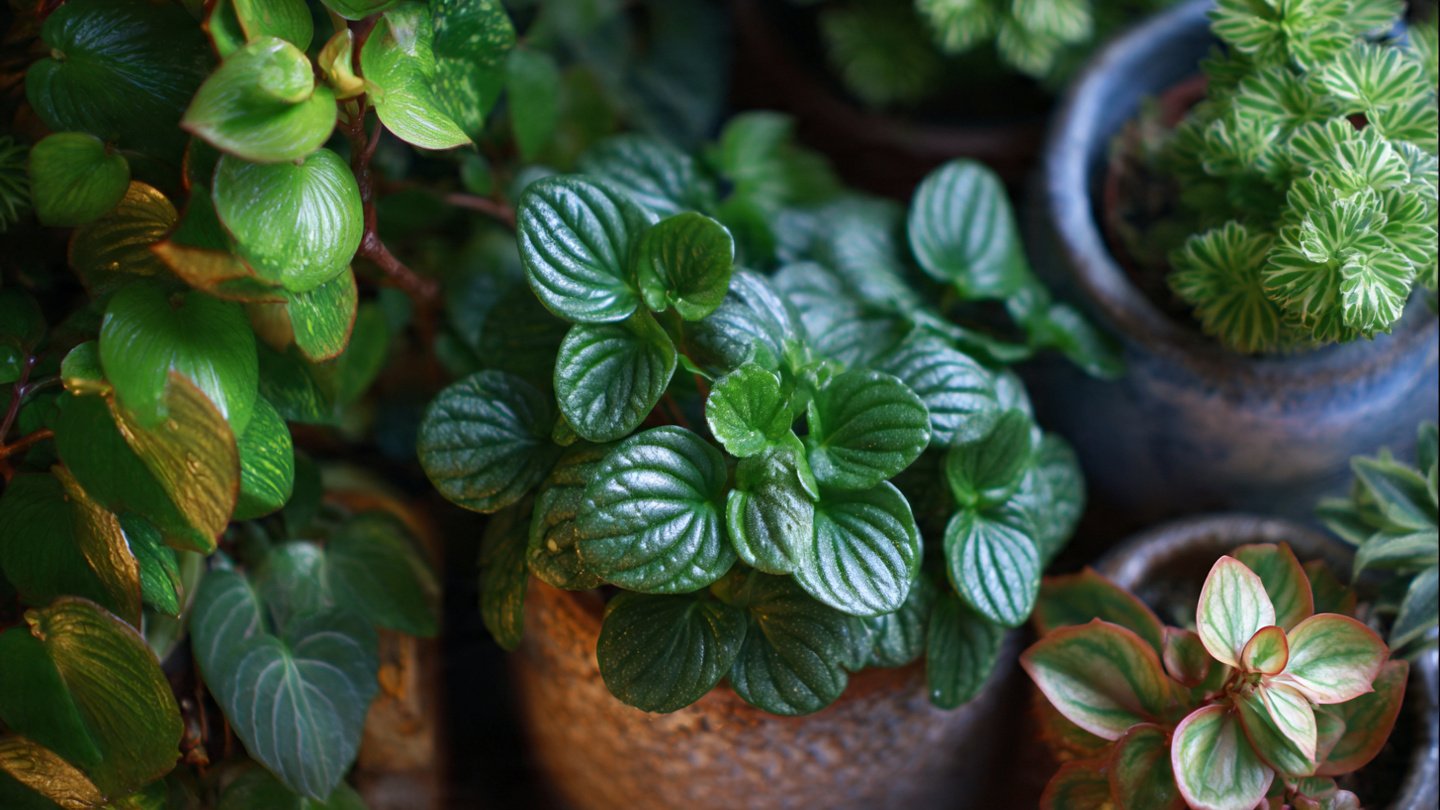
Indoor gardening has become increasingly popular, offering a green sanctuary amid busy urban lifestyles. One plant that stands out for its resilience, striking appearance, and compact size is the Peperomia. Known for its diverse leaf shapes and colors, Peperomia is an excellent choice for beginners and seasoned gardeners alike. This article will guide you through everything you need to know to cultivate a lush indoor garden with compact Peperomia plants.
Understanding Peperomia
Peperomia is a genus that consists of over 1,000 species, many of which are suited for indoor growth. They are primarily native to tropical climates in Central and South America. Their distinctive fleshy leaves store water, making them drought-resistant and perfect for indoor gardening. Here are a few characteristics that make Peperomia a good choice for your indoor garden:
Latest Posts
- Easy Steps to Successfully Grow Bhindi in Grow Bags at Home
- Easy Steps to Grow a Healthy Guava Bonsai at Home for Beginners
- How to Successfully Grow and Cultivate White Strawberry Plants at Home for Delicious and Unique Fruits
- Ultimate Guide to Successfully Growing Weeping Fig Outdoors with Proven Techniques and Expert Tips
- How to Successfully Grow Flemish Beauty Pear Trees in Canada for Optimal Harvest
- Easy Hack to Grow Strawberries Year Round in Your Home Garden for Delicious Harvests
- Growing Flemish Beauty Pears in Canada A Complete Guide for Local Gardens
- The Ultimate Guide to Growing Hibiscus Plants Year Round for Vibrant Blooms and Healthy Foliage
- Easy Ways to Boost the Growth Rate of Your Indoor Peace Lily for Lush Green Foliage
- How to Successfully Grow Oak Leaf Lettuce in Your Home Garden for Fresh and Flavorful Salads
- Diversity: With various shapes, sizes, and colors, there’s likely a Peperomia that will add a unique flair to your space.
- Ease of Care: They thrive on minimal care, making them suitable for busy individuals.
- Compact Size: Perfect for small spaces, Peperomia can thrive in pots without demanding too much room.
Choosing the Right Species
Before you start your indoor garden, it’s essential to select the right species of Peperomia. Some popular choices include:
-
Peperomia obtusifolia (Baby Rubber Plant): Known for its thick, glossy leaves, this species can grow up to 12 inches tall.
-
Peperomia caperata (Ripple Peperomia): Features ruffled leaves that give a unique texture, making it a stunning centerpiece.
-
Peperomia prostrata (String of Turtles): With small, turtle shell-patterned leaves, this trailing option is perfect for hanging pots.
-
Peperomia polybotrya (Raindrop Peperomia): Notable for its heart-shaped leaves, this variety is both charming and easy to grow.
Setting Up Your Indoor Garden
1. Selecting the Right Pot
Choosing the right pot is crucial for your Peperomia’s health. Here are some considerations:
- Size: Ensure that the pot is at least 6-8 inches in diameter for young plants. As the plant grows, you might need to repot it into a larger container.
- Drainage: Select a pot with drainage holes to prevent water from accumulating at the bottom, which can lead to root rot.
- Material: Terracotta pots are excellent for Peperomia as they absorb excess moisture, but make sure to monitor watering closely.
2. Choosing the Soil
Peperomias prefer a well-draining potting mix. You can either buy a ready-made potting mix or create your own using the following components:
- Peat Moss: Acts as a lightweight base and retains moisture.
- Perlite: Improves drainage and aeration in the soil.
- Coconut Coir: A sustainable alternative to peat moss that retains moisture without becoming waterlogged.
A mix of equal parts peat moss, perlite, and coconut coir works wonders for Peperomia.
3. Identifying the Ideal Location
Peperomia plants prefer bright, indirect light. Here are some tips for selecting the perfect spot in your home:
- Avoid Direct Sunlight: Direct sunlight can scorch the leaves. A spot with filtered light is ideal.
- East or West-Facing Window: These windows usually provide the right amount of light without being too harsh.
- Artificial Light: If your home doesn’t have enough natural light, consider using grow lights.
4. Temperature and Humidity
Peperomias thrive in temperatures between 65°F to 80°F (18°C to 27°C). They can tolerate cooler temperatures but should not be exposed to less than 50°F (10°C).
While Peperomia can adapt to low humidity, they benefit from higher humidity levels. You can achieve this by:
- Misting: Lightly misting the leaves can help, especially in dry months.
- Humidity Tray: Placing a shallow tray filled with water and pebbles underneath the pot will increase humidity around the plant as the water evaporates.
Watering Your Peperomia
One of the most common mistakes new plant parents make is overwatering. Remember, Peperomia prefer to be on the drier side. Here’s a streamlined approach to watering:
1. Check the Soil Moisture
Before watering, insert your finger into the soil up to 2 inches. If it feels dry, it’s time to water. If it’s still moist, wait a few more days.

2. Watering Technique
- Water Thoroughly: When it’s time to water, do so until you see excess water draining from the bottom of the pot.
- Less is More: During the winter, when the plant’s growth slows down, reduce the frequency of watering.
3. Signs of Over or Underwatering
- Underwatering: Leaves may become wrinkled or look droopy.
- Overwatering: Yellowing leaves or a mushy stem may indicate root rot.
Fertilizing Your Peperomia
While Peperomias do not require heavy fertilization, they can benefit from occasional feeding:
1. Type of Fertilizer
Use a balanced liquid fertilizer diluted to half strength. A formula with equal parts nitrogen, phosphorus, and potassium (NPK) is ideal.
2. Frequency
Fertilize during the growing season (spring and summer) every 4-6 weeks. Avoid fertilizing during the fall and winter months when the plant is dormant.
Pruning and Propagation
1. Pruning
Regular pruning helps maintain the shape and health of your Peperomia.

- Remove Dead Leaves: Trim off any yellowed or dead leaves to encourage new growth.
- Shape the Plant: Pinch back leggy growth to promote bushier growth.
2. Propagation
One of the joys of indoor gardening is propagating your plants! Peperomias are easy to propagate through:
- Leaf Cuttings: Take a healthy leaf and place it in water or soil. In a few weeks, roots will begin to form.
- Offsets: Some varieties produce offsets, which you can separate and pot in their own containers.
Common Pests and Problems
While Peperomias are generally resilient, they can be susceptible to pests and disease.
1. Common Pests
- Mealybugs: Look for cotton-like masses on the leaves. Remove them manually or use insecticidal soap.
- Spider Mites: If you notice tiny webs or speckled leaves, increase humidity and consider using neem oil.
2. Diseases
- Root Rot: Caused by overwatering. Ensure proper drainage and avoid letting the plant sit in waterlogged soil.
- Fungal Issues: Overly wet conditions can lead to mold or mildew. Ensure good airflow and avoid excess water on the leaves.

Creating a Lush Indoor Garden Aesthetic
1. Arranging Your Plants
Placement is key to creating an inviting indoor garden. Consider varying heights and leaf shapes for visual interest:
- Combination Planting: Pair Peperomia with similarly light-needing plants like Snake Plants or Pothos.
- Shelf Gardens: Use plant stands or shelves to create levels, letting trailing varieties cascade down.
2. Decorative Pots
Investing in beautiful pots can add an aesthetic touch to your indoor garden. Choose colorful or textured pots that complement your home’s decor.
3. Themed Spaces
Consider creating themes based on colors or leaf shapes. A Tropical Theme can include various Peperomia along with other tropical plants.
Conclusion
Cultivating a lush indoor garden with compact Peperomia is both rewarding and uncomplicated. With their diverse species and attractive foliage, Peperomia plants can brighten any space while offering the satisfaction of nurturing new life. By following the outlined steps—from selecting the right species to mastering watering and propagation—you’re well on your way to creating a thriving indoor sanctuary. Whether you’re showcasing them on a bookshelf or creating a mini indoor jungle, Peperomias will surely add charm to your home. Happy gardening!