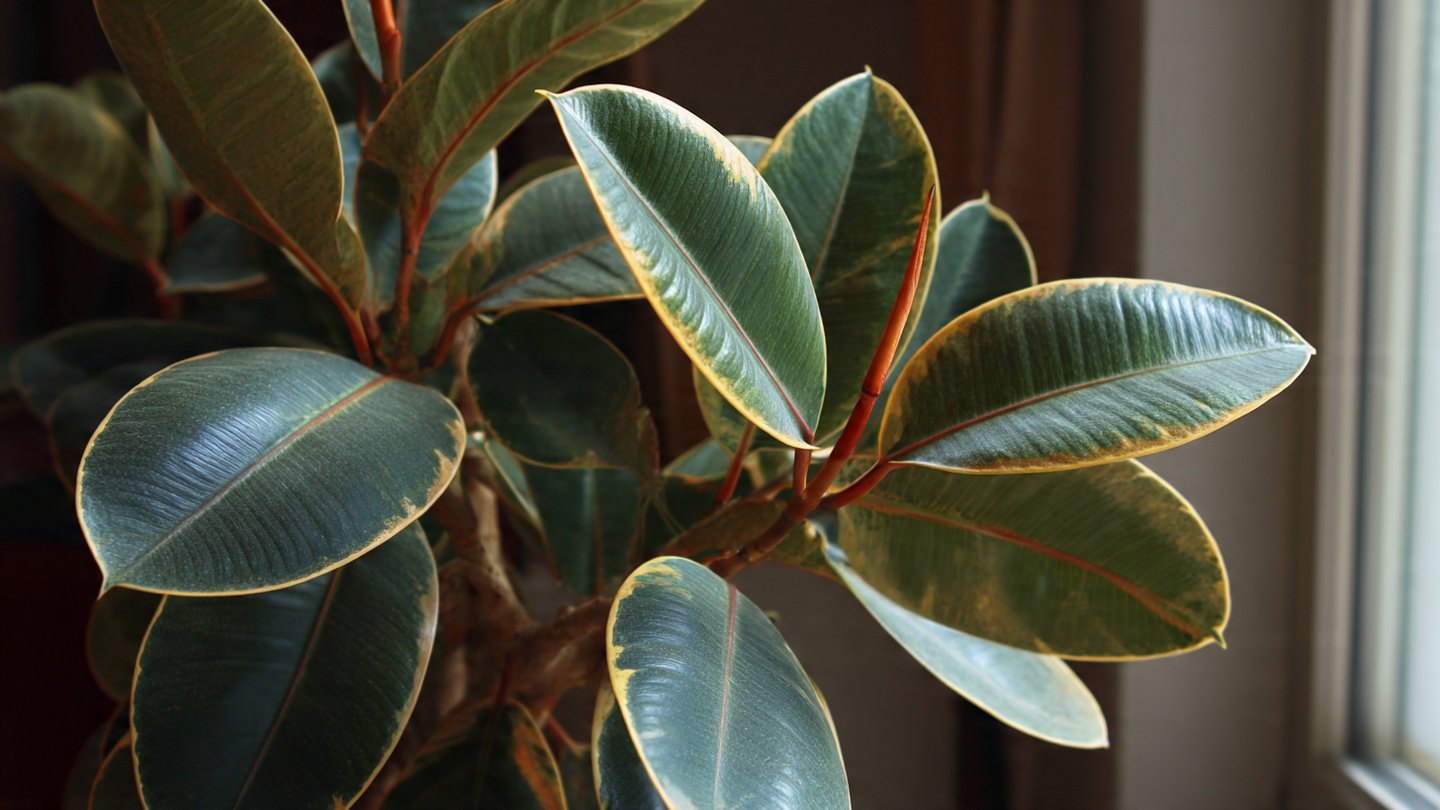
The rubber plant (Ficus elastica) is a popular houseplant known for its glossy leaves and robust growth. This plant is not only beautiful but also relatively easy to care for, making it a favorite among both novice and experienced plant enthusiasts. If you’re looking to grow a bushy rubber plant, this guide will take you through the steps and tips to help you achieve a lush, full specimen.
Understanding the Rubber Plant
Before diving into the care tips, it’s essential to understand the rubber plant itself. Naturally found in Southeast Asia, the rubber plant can reach heights of up to 100 feet in the wild. However, as a houseplant, it typically grows to 3-10 feet, depending on the conditions. Its large, leathery leaves can be dark green, variegated, or even purple, adding aesthetics to your indoor space.
Latest Posts
- Easy Steps to Successfully Grow Bhindi in Grow Bags at Home
- Easy Steps to Grow a Healthy Guava Bonsai at Home for Beginners
- How to Successfully Grow and Cultivate White Strawberry Plants at Home for Delicious and Unique Fruits
- Ultimate Guide to Successfully Growing Weeping Fig Outdoors with Proven Techniques and Expert Tips
- How to Successfully Grow Flemish Beauty Pear Trees in Canada for Optimal Harvest
- Easy Hack to Grow Strawberries Year Round in Your Home Garden for Delicious Harvests
- Growing Flemish Beauty Pears in Canada A Complete Guide for Local Gardens
- The Ultimate Guide to Growing Hibiscus Plants Year Round for Vibrant Blooms and Healthy Foliage
- Easy Ways to Boost the Growth Rate of Your Indoor Peace Lily for Lush Green Foliage
- How to Successfully Grow Oak Leaf Lettuce in Your Home Garden for Fresh and Flavorful Salads
Why Do You Want a Bushy Rubber Plant?
Bushy, fuller rubber plants not only enhance the visual appeal of your space but also improve air quality. The dense foliage can filter toxins and contribute to a healthier indoor environment. A bushed-out rubber plant can also reduce noise and provide a calming presence due to its lush greenery.
Growing Conditions
To grow a bushy rubber plant, you’ll need to ensure that its environmental conditions are optimal. Here are the key factors to consider:
1. Light Requirements
Rubber plants thrive in bright, indirect light. While they can tolerate some direct sunlight, too much can scorch their leaves. The ideal location for a rubber plant is close to a window where it can receive filtered light. If your plant is not getting enough light, it will become leggy and less bushy.
2. Temperature and Humidity

Rubber plants prefer temperatures between 60°F and 75°F (15°C to 24°C). They can tolerate slightly higher temperatures but are sensitive to cold drafts. Aim for a humidity level of 40% to 60% for optimal growth. If your home is particularly dry, consider using a humidifier or placing the plant on a pebble tray filled with water to increase humidity.
3. Soil Type
A well-draining potting mix is crucial. A blend of potting soil, perlite, and orchid bark offers the ideal aeration and drainage. This will help prevent root rot while providing adequate nutrients.
4. Pot Selection
Choose a pot that has adequate drainage holes. A slightly larger pot fosters growth and encourages bushiness, but avoid pots that are excessively large, as they can retain too much moisture.
Fertilization
To achieve a bushy rubber plant, feeding it the right nutrients is essential. Here’s how to fertilize properly:
1. When to Fertilize
Fertilize your rubber plant during the growing season, which typically runs from spring to late summer. During this period, your plant will be actively growing and will benefit from extra nutrients.
2. Fertilizer Type
Use a balanced, water-soluble fertilizer, diluted to half strength. A general-purpose fertilizer with an N-P-K ratio of 10-10-10 or 20-20-20 works well. Alternatively, a fertilizer formulated for houseplants can also be beneficial.

3. Application
Feed your rubber plant every 4-6 weeks during the growing season. Reduce or cease fertilization in the fall and winter when growth slows down.
Watering Techniques
Watering is one of the most critical aspects of rubber plant care. Too much or too little water can severely affect growth.
1. Frequency
Water your rubber plant when the top inch of soil feels dry to the touch. During the growing season, this might mean watering once a week, while in the winter, it may be less frequent.
2. Techniques
When watering, do so thoroughly. Allow excess water to drain out of the pot to prevent root rot. Ensure that your plant isn’t sitting in water—empty the saucer if water collects.
Pruning for Bushiness
Pruning is one of the most effective ways to encourage bushiness in your rubber plant. Here’s how to do it:

1. When to Prune
Prune your rubber plant in early spring before its growing season. This timing helps the plant to recover quickly and develop new growth.
2. How to Prune
Use clean, sharp pruning shears. Trim back leggy growth, focusing on stems that have grown tall without producing new leaves. Cut just above a leaf node to encourage branching.
3. Encouraging Branching
When you prune the top of the plant, it stimulates branching along the sides. This action promotes lateral growth, resulting in a bushier plant.
Repotting
As your rubber plant grows, it may become root-bound, which can hinder its growth and bushiness.
1. Signs of Root Bound
If you notice roots growing out of the drainage holes or the growth has slowed down despite proper care, it may be time to repot.
2. When to Repot

Generally, rubber plants should be repotted every 1-2 years. Select a pot that is 1-2 inches larger in diameter than the current one.
3. Repotting Process
- Gently remove the plant from its current pot.
- Inspect and trim any damaged or rotten roots.
- Place fresh potting mix into the new pot and position the plant.
- Fill in around the plant with additional soil and water well.
Pests and Diseases
Keeping your rubber plant pest-free is crucial for lush growth. Here’s how to prevent and manage common issues:
1. Common Pests
- Spider Mites: Tiny pests that can cause yellowing leaves. Increase humidity to deter them and wipe leaves with soapy water.
- Mealybugs: White, fluffy pests that can be removed with insecticidal soap or by hand.
2. Disease Prevention

Overwatering can lead to root rot. Ensure proper drainage and avoid letting the plant sit in water. If you notice any black spots on leaves, this can be a sign of fungal infection. Removing affected leaves and improving air circulation can help.
Seasonal Changes
A rubber plant’s care routine may change with the seasons. During fall and winter, the plant moves into a resting phase, so adjustments are necessary.
1. Light
As days shorten, consider moving your plant closer to a light source to ensure it still gets the light it needs.
2. Watering
Reduce watering in the winter, as the plant will not require as much moisture during its dormant phase.
Conclusion
Achieving a bushy rubber plant is a rewarding endeavor, perfect for improving your indoor space. By understanding the ideal growing conditions, providing adequate light, water, and nutrients, pruning effectively, and monitoring for pests, you can help your rubber plant thrive. With patience and care, you’ll enjoy a lush, healthy specimen that can bring joy and greenery to your home for years to come. Whether you are a beginner or a seasoned plant lover, following these simple but effective steps can transform your rubber plant into a bushy centerpiece that enhances not only your living space but also your overall mood and well-being. Happy planting!