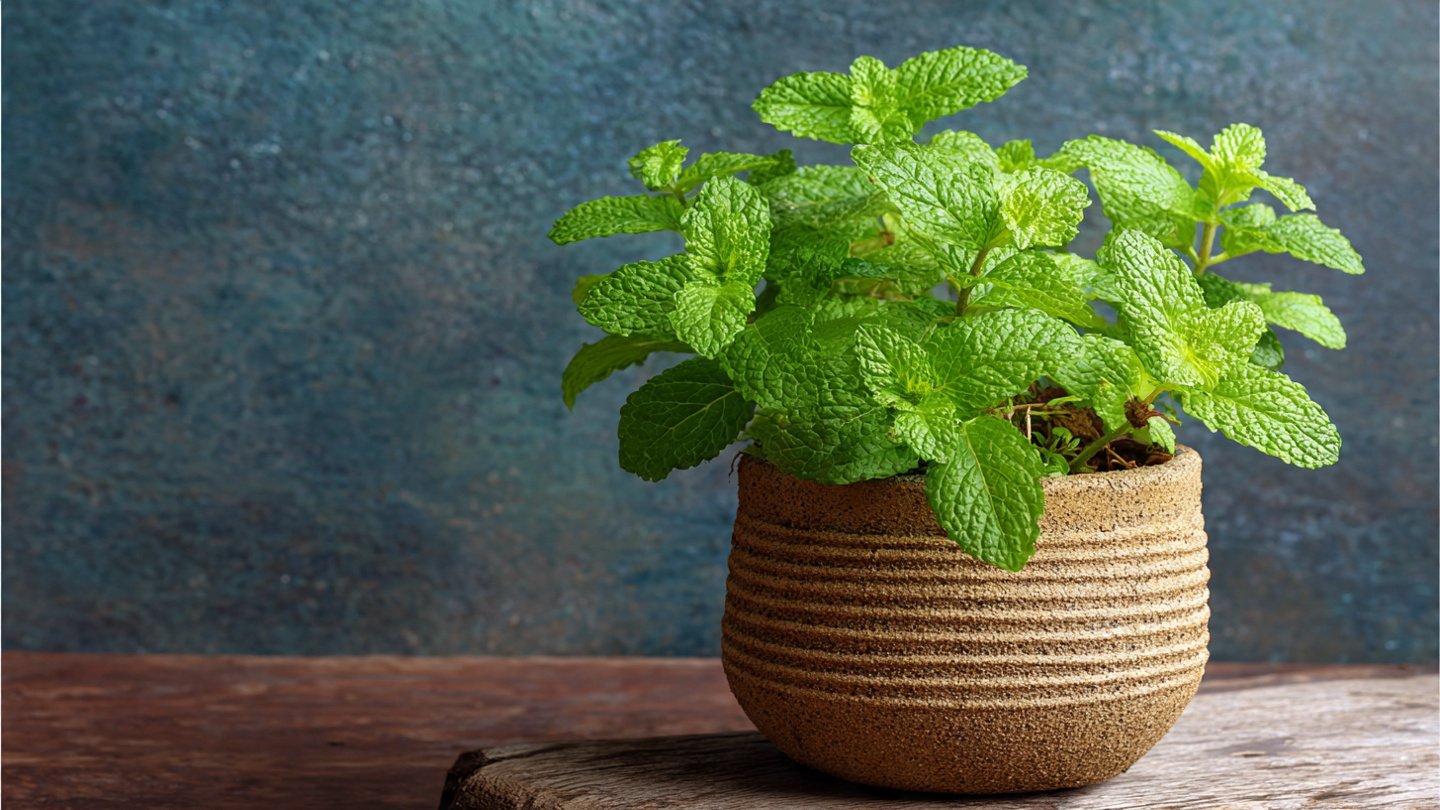
Growing your own herbs at home not only enhances your culinary experience but also contributes to your home’s greenery and improves air quality. Among the myriad of culinary herbs, pudina, or mint, stands out due to its refreshing flavor and versatility. Whether you want to add it to your salads, drinks, or desserts, growing pudina in a pot is a simple and rewarding gardening task. Here’s a comprehensive guide to help you cultivate fresh pudina at home.
Why Grow Pudina?
Pudina is not only prized for its flavor but also offers numerous health benefits. It’s known for aiding digestion, freshening breath, and even providing a cooling effect during hot days. Growing pudina allows you to access these benefits directly from your own garden, ensuring freshness and flavor.
Latest Posts
- Easy Steps to Successfully Grow Bhindi in Grow Bags at Home
- Easy Steps to Grow a Healthy Guava Bonsai at Home for Beginners
- How to Successfully Grow and Cultivate White Strawberry Plants at Home for Delicious and Unique Fruits
- Ultimate Guide to Successfully Growing Weeping Fig Outdoors with Proven Techniques and Expert Tips
- How to Successfully Grow Flemish Beauty Pear Trees in Canada for Optimal Harvest
- Easy Hack to Grow Strawberries Year Round in Your Home Garden for Delicious Harvests
- Growing Flemish Beauty Pears in Canada A Complete Guide for Local Gardens
- The Ultimate Guide to Growing Hibiscus Plants Year Round for Vibrant Blooms and Healthy Foliage
- Easy Ways to Boost the Growth Rate of Your Indoor Peace Lily for Lush Green Foliage
- How to Successfully Grow Oak Leaf Lettuce in Your Home Garden for Fresh and Flavorful Salads
What You Need to Get Started
Before embarking on your pudina gardening journey, here’s what you need to gather:
1. Container
Choose a pot with a minimum diameter of 12 inches and a depth of at least 12 inches. Mint has a tendency to spread and can become invasive, so be sure your pot has drainage holes to avoid waterlogging.
2. Soil
Use a lightweight, well-draining potting mix. Mint thrives in rich soil, so consider using a mixture of potting soil and organic compost to foster healthy growth.
3. Mint Cuttings or Seeds
While you can start from seeds, it’s easier and quicker to propagate mint using cuttings. You can obtain cuttings from local nurseries or simply from a store-bought mint bouquet.
4. Water
Having fresh, clean water on hand is essential for nurturing your new mint plants.
5. Sunlight
Pudina prefers a sunlit location but can also tolerate partial shade. Try to ensure your pot gets at least 4-6 hours of sunlight daily.
Steps to Grow Pudina in a Pot
Follow these straightforward steps to grow your own pudina:
Step 1: Preparing the Pot
- Choose a Location: Find a spot that receives ample sunlight. A balcony, patio, or window sill can be ideal areas.
- Fill the Pot: Add your potting mix to the pot, filling it until it is about an inch below the rim.
Step 2: Planting Pudina
From Cuttings:
- Prepare the Cutting: Take a 4-6 inch cutting from a healthy pudina plant. Ensure that it has several leaves.
- Remove Lower Leaves: Strip the lower leaves from the cutting, leaving a few on top.
- Plant the Cutting: Create a small hole in the potting mix with your finger and gently insert the cutting. Firm the soil around it to stabilize.
- Water: Give the cutting a good soak with water.
From Seeds:
- Sow Seeds: Scatter the seeds on the surface of the potting mix. Lightly press them down but do not cover completely as they require light to germinate.
- Water: Mist the surface gently to moisten the soil.
Step 3: Watering and Caring for Your Pudina
- Water Regularly: Keep the potting mix consistently moist but not soggy. Water when the top inch of soil feels dry to the touch.
- Fertilize: Every 4-6 weeks, apply a balanced organic fertilizer to ensure nutrient availability.
- Prune Regularly: Once your pudina has grown a few inches, pinch back the tips to encourage bushy growth. This will also help prevent flowering, which can change the flavor.

Step 4: Harvesting Pudina
Your pudina will typically be ready for harvesting within 4-6 weeks. Here’s how to do it properly:
- Choose Leaves Wisely: Pick the leaves from the top stems for the best flavor and to encourage further growth.
- Frequency: Harvest regularly to keep the plant healthy and stimulating new growth. Always leave at least a few leaves on each stem.
Step 5: Managing Pests and Diseases
Even though pudina is relatively resilient, it can occasionally suffer from pests such as aphids or spider mites. Here’s how to combat them:
- Aphids: Spray a solution of water and mild soap on the affected leaves.
- Spider Mites: Keep the leaves moist and regularly inspect for signs of these pests.
Step 6: Seasonal Care

If you live in a colder climate, consider bringing your mint pot indoors during winter. Ensure it continues to receive adequate light and moisture.
FAQs
1. How much sunlight does pudina need?
Pudina prefers at least 4-6 hours of sunlight daily. It can tolerate partial shade, but too little light may hinder its growth.
2. How often should I water my pudina?
Water your pudina when the top inch of soil feels dry. Generally, this could be once every few days, but check regularly, especially in hotter weather.
3. Can I grow pudina from supermarket cuttings?
Yes, you can! Just ensure the cuttings are healthy and stem from a good quality mint. Follow the planting steps mentioned above.
4. What are the best conditions for growing pudina?
Pudina thrives in well-drained, nutrient-rich soil and requires regular watering and sunlight. A temperature range of 60-70°F (15-21°C) is ideal.
5. How do I encourage bushy growth?
To encourage bushy growth, regularly pinch back the tips of the stems. This prompts the plant to grow more branches and leaves.
6. Is pudina invasive?
While pudina does have the potential to spread aggressively, growing it in a pot can help manage its growth and prevent it from overrunning your garden.
7. Can I use dried mint in cooking?
Absolutely! Dried mint can be used as a spice in various dishes. However, fresh mint offers a more potent flavor.
8. How do I stop pests from attacking my pudina?
Keep your plants healthy by providing proper care and moisture. Regularly inspect your mint for signs of infestation, and consider using natural pest-repelling solutions like neem oil.
Conclusion
Growing pudina in a pot at home is a delightful and straightforward way to enrich your kitchen with fresh flavors. With minimal resources and some basic care, you can enjoy this aromatic herb right from your garden. Also, nurturing plants is a rewarding hobby that provides tranquility and connection to nature. So, gather your materials and start your pudina growing journey today!