Can You Successfully Grow Chinese Greens Mix for a Flavorful Garden?
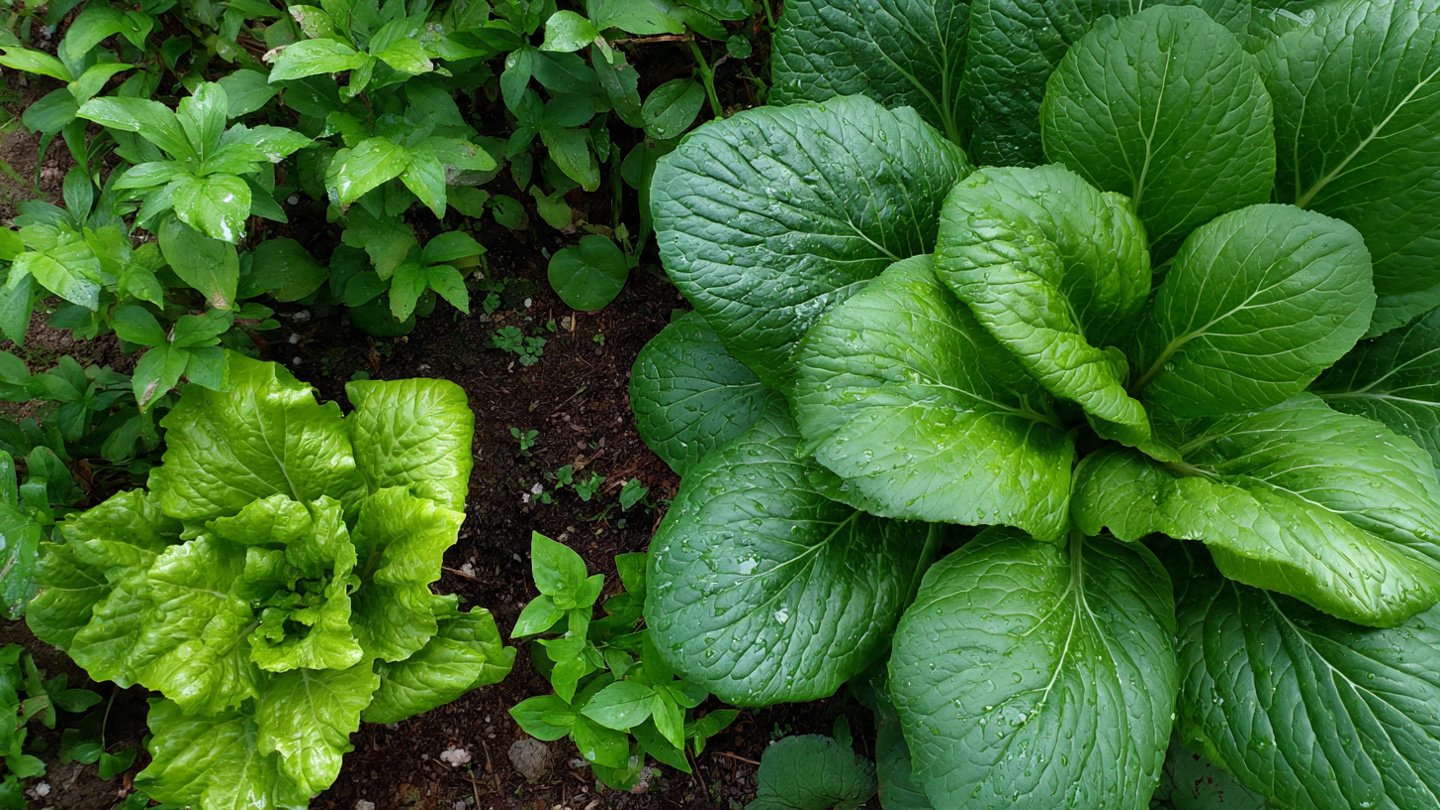
Chinese greens, renowned for their versatility in the kitchen and their vibrant flavors, have become increasingly popular among home gardeners. These leafy vegetables not only add nutritious value to your meals but also bring a burst of color and texture to your garden. Growing a Chinese greens mix can be a rewarding endeavor if you understand the essential requirements and proper techniques. In this article, we will delve into the specifics of cultivating Chinese greens, focusing on the benefits, types of greens to include, planting methods, care, and harvesting.
The Benefits of Growing Chinese Greens
- Easy Steps to Successfully Grow Bhindi in Grow Bags at Home
- Easy Steps to Grow a Healthy Guava Bonsai at Home for Beginners
- How to Successfully Grow and Cultivate White Strawberry Plants at Home for Delicious and Unique Fruits
- Ultimate Guide to Successfully Growing Weeping Fig Outdoors with Proven Techniques and Expert Tips
- How to Successfully Grow Flemish Beauty Pear Trees in Canada for Optimal Harvest
- Easy Hack to Grow Strawberries Year Round in Your Home Garden for Delicious Harvests
- Growing Flemish Beauty Pears in Canada A Complete Guide for Local Gardens
- The Ultimate Guide to Growing Hibiscus Plants Year Round for Vibrant Blooms and Healthy Foliage
- Easy Ways to Boost the Growth Rate of Your Indoor Peace Lily for Lush Green Foliage
- How to Successfully Grow Oak Leaf Lettuce in Your Home Garden for Fresh and Flavorful Salads
-
Nutritional Value: Chinese greens are packed with vitamins A, C, K, and various minerals. They are rich in antioxidants, fiber, and necessary nutrients, making them an essential addition to a healthy diet.
-
Variety and Versatility: The term “Chinese greens” encompasses a wide array of vegetables, from bok choy and Chinese spinach to mustard greens and tatsoi. This diversity allows gardeners to experiment with flavors and textures in their meals.
-
Culinary Uses: These greens can be used in numerous dishes, including stir-fries, salads, soups, and stews. Their bold flavors complement many Asian cuisines, making them an excellent choice for those who enjoy cooking diverse meals.
-
Growth Cycle: Many varieties of Chinese greens have relatively short growth cycles, allowing for multiple harvests throughout the growing season. This rapid growth is particularly appealing for gardeners wanting quick results.
-
Pest Resistance: Chinese greens are often overlooked by pests compared to more common vegetables like tomatoes and peppers. This trait can lead to easier management in your garden.
Latest Posts
Types of Chinese Greens to Grow
When planning your Chinese greens mix, consider a combination of the following vegetables:
-
Bok Choy: Perhaps the most popular of the Chinese greens, bok choy is known for its mild flavor and crunchy texture. It can range from baby varieties that are harvested early to more mature types.
-
Chinese Spinach (Amaranth): This leafy green has a slightly earthy flavor and is rich in nutrients. Its vibrant colors make it an attractive addition to any garden.
-
Mustard Greens: With a peppery taste, mustard greens can add a bold flavor to your dishes. They are also known for their health benefits, including lowering cholesterol levels.
-
Tatsoi: This small-leaved, spoon-shaped green is mild and sweet, making it perfect for salads or stir-fries. It is also cold-tolerant, making it suitable for fall and early spring planting.
-
Choy Sum: Known for its tender stems and yellow flowers, choy sum can be used in stir-fries and soups. It has a slightly sweet flavor and is quick to grow.
Planning Your Garden
Successful gardening begins with planning. Here are some crucial steps to help you establish a thriving Chinese greens mix:
-
Choosing the Right Location: Chinese greens prefer a location that receives full sun for at least six hours a day. However, they can tolerate partial shade, especially in hotter climates where they may bolt quickly.
-
Soil Preparation: These greens thrive in rich, well-draining soil. Aim for a soil pH between 6.0 and 7.0. Prior to planting, amend your soil with compost or well-rotted manure to increase fertility and provide the necessary nutrients.
-
Selecting Seeds: Opt for high-quality seeds from reputable suppliers. Consider selecting a variety pack that includes several types of Chinese greens to ensure a flavorful mix.
-
Sowing Time: Plan your planting schedule according to your local climate. Most Chinese greens can be sown in early spring or late summer. In cooler climates, consider starting seeds indoors to extend the growing season.
Planting Techniques

Once you have prepared your garden bed, follow these planting techniques for successful growth:
-
Direct Sowing: You can sow seeds directly into the soil. Plant seeds about ¼ to ½ inch deep, spacing them according to the specific varieties you are growing (usually 2-4 inches apart).
-
Transplanting: For indoor-started seeds, transplant seedlings into the garden when they are 3-4 inches tall. Space them adequately to allow for their mature size.
-
Companion Planting: Consider planting Chinese greens alongside other compatible crops, such as radishes or carrots, to maximize space and deter pests.
-
Succession Planting: To ensure a continuous harvest, plant seeds every few weeks. This approach allows for a staggered harvest and keeps your garden productive throughout the growing season.
Caring for Your Chinese Greens
Once your Chinese greens are in the ground, ongoing care is essential for healthy growth. Here are some key aspects to consider:

-
Watering: Chinese greens require consistent moisture, especially during their growing period. Water deeply once a week or more frequently if the weather is particularly hot or dry.
-
Fertilization: Use a balanced fertilizer to support growth, applying it once a month or after each harvest. Liquid fertilizers can be an excellent option for quick nutrient uptake.
-
Weed Management: Regularly check for weeds that may compete for nutrients and water. Mulching around your plants can help suppress weeds and retain soil moisture.
-
Pest Control: Keep an eye out for common pests, such as aphids and flea beetles. You can manage these pests through organic methods like neem oil or insecticidal soap and by encouraging beneficial insects such as ladybugs.
-
Disease Prevention: Practice crop rotation and avoid overwatering to minimize the risk of diseases like powdery mildew and root rot. Good air circulation also plays a crucial role in disease prevention.
Harvesting Your Chinese Greens
One of the most rewarding aspects of gardening is the harvest. Here are some tips for harvesting Chinese greens to ensure maximum flavor and nutrition:

-
Timing: Harvest leaves when they are young and tender for the best flavor. Generally, this can be done about 30-60 days after planting, depending on the variety.
-
Technique: Use scissors or garden shears to harvest the outer leaves first, allowing the inner leaves to continue growing. For full heads, you can pull the entire plant, but be careful not to disturb surrounding plants.
-
Ongoing Harvesting: Continual harvesting promotes new growth, enabling you to enjoy fresh greens throughout the season.
-
Storage: Store harvested greens in a cool, dry place or the refrigerator. They are best enjoyed fresh but can also be blanched and frozen for later use.
Conclusion
Growing a Chinese greens mix is an excellent way to enhance your garden and kitchen. With their diverse flavors, nutritional value, and relatively low maintenance requirements, they can be an enjoyable and productive addition to any gardening endeavor. By understanding the necessary growing conditions, care techniques, and harvesting methods, you can successfully cultivate these delicious greens and elevate your culinary experiences.
As you embark on your gardening journey, remember that patience and observation are key. Every garden is unique, and with a little practice, you’ll find the right balance and techniques to make your Chinese greens flourish. Happy gardening!