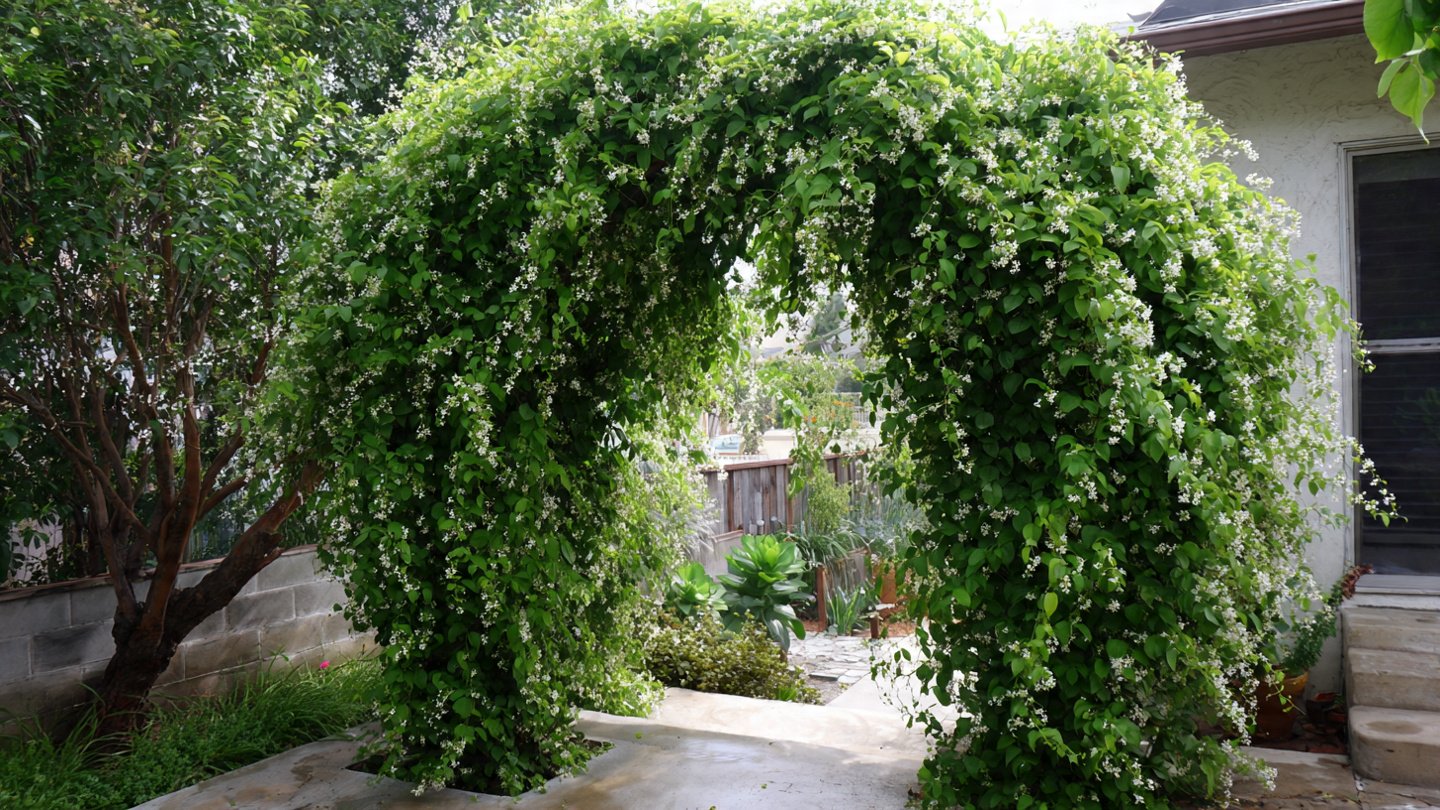
Jasmine vines are renowned for their exquisite fragrance and delicate blooms, making them a popular choice for gardeners looking to add elegance and charm to their outdoor spaces. Growing jasmine vines over arches can create a stunning focal point in your garden, providing both beauty and lovely scents. These graceful plants can transform any garden nook or entryway into a vibrant and inviting atmosphere. In this guide, we will explore how to successfully grow jasmine vines over arches, encompassing everything from plant selection to maintenance and care.
Understanding Jasmine Vines
Before diving into the growing process, it’s essential to understand the types of jasmine vines available. Jasmine belongs to the Jasminum genus, with several species favored in gardens:
Latest Posts
- Easy Steps to Successfully Grow Bhindi in Grow Bags at Home
- Easy Steps to Grow a Healthy Guava Bonsai at Home for Beginners
- How to Successfully Grow and Cultivate White Strawberry Plants at Home for Delicious and Unique Fruits
- Ultimate Guide to Successfully Growing Weeping Fig Outdoors with Proven Techniques and Expert Tips
- How to Successfully Grow Flemish Beauty Pear Trees in Canada for Optimal Harvest
- Easy Hack to Grow Strawberries Year Round in Your Home Garden for Delicious Harvests
- Growing Flemish Beauty Pears in Canada A Complete Guide for Local Gardens
- The Ultimate Guide to Growing Hibiscus Plants Year Round for Vibrant Blooms and Healthy Foliage
- Easy Ways to Boost the Growth Rate of Your Indoor Peace Lily for Lush Green Foliage
- How to Successfully Grow Oak Leaf Lettuce in Your Home Garden for Fresh and Flavorful Salads
-
Common Jasmine (Jasminum officinale): Known for its beautiful white flowers and sweet scent, this variety can reach significant heights, making it ideal for arches.
-
Star Jasmine (Trachelospermum jasminoides): Although not a true jasmine, this vine boasts star-shaped flowers and a lovely fragrance. It is hardy and can tolerate a range of conditions.
-
Arabian Jasmine (Jasminum sambac): This variety features smaller, white, and intensely fragrant flowers, commonly used in traditional garlands and incense.
Selecting the right type of jasmine vine is crucial, as each has varying tolerance to light, soil, and climates. Understanding your local climate and the specific conditions of your garden will help ensure you choose a vine that flourishes.
Choosing the Right Location
Sunlight
Most jasmine vines thrive in full sun to partially shaded areas. Ideally, they should receive at least six hours of direct sunlight daily. Choose a location for your arch that gets ample sunlight while providing some afternoon shade to protect the plants from excessive heat, especially in warmer climates.

Soil
Jasmine prefers well-draining soil that is rich in organic matter. The ideal soil pH should range from 6.0 to 7.0. Before planting, consider amending your garden soil with compost to enhance fertility and drainage. Conduct a soil test if possible to determine nutrient levels and make any necessary adjustments.
Protection from Winds
Since jasmine can be delicate, it’s advantageous to choose a location that offers some wind protection. If windy conditions prevail, consider planting companion plants or placing the arch near a fence or wall to shield it from harsh gusts.
Designing and Installing the Arch
Selecting Your Arch
The arch you choose will serve as both a support system for the jasmine vines and a decorative feature for your garden. Consider materials such as wood, metal, or vinyl, depending on your style preferences and budget. Ensure the arch is sturdy enough to withstand the weight of the vines as they grow.
Installation
-
Select the Right Height: A height of around 7 to 8 feet is generally ideal for most jasmine varieties, allowing adequate growth and space for passage beneath the arch.
-
Secure the Structure: Ensure that the arch is firmly anchored in the ground. For wooden arches, consider using concrete footings to provide additional stability.
-
Consider Orientation: Align the arch so that it faces the best sunlight exposure, usually south or west.
Planting Jasmine Vines

Timing
The best time to plant jasmine vines is in the spring or fall, allowing the plants to establish roots before harsh weather conditions set in.
Planting Steps
-
Dig the Hole: Create a hole that is twice the width and the same depth as the root ball of the jasmine plant.
-
Soil Preparation: Mix the extracted soil with compost or well-rotted manure to enhance nutrient content.
-
Planting: Place the jasmine vine in the hole, ensuring the top of the root ball is level with the soil surface. Fill in around the roots with the amended soil and water thoroughly to eliminate any air pockets.
Training the Vines
Once planted, gently encourage the vines to climb the arch. You can use soft ties or garden twine to attach the young plants to the arch’s structure, ensuring you do not damage the stems.
Watering and Fertilization
Watering Schedule
Jasmine vines require regular watering, especially during dry spells. Generally, watering once a week should suffice; however, during extreme heat or drought, consider increasing frequency. The soil should remain moist but never waterlogged.
Fertilization

Apply a balanced fertilizer in early spring to promote healthy growth. Slow-release fertilizers formulated for flowering plants are generally effective. Follow the manufacturer’s instructions for application rates. Reapply a second dose in mid-summer to encourage continuous blooming.
Pruning for Healthy Growth
Pruning is essential for maintaining the health and shape of jasmine vines. Regular cutting back promotes healthy growth and flowering.
When to Prune
The best time to prune jasmine vines is in late winter or early spring when plants are dormant. This timing ensures minimal stress to the plant while promoting vigorous growth during the growing season.
How to Prune
-
Remove Dead or Damaged Foliage: Begin by cutting away any dead or diseased stems and leaves.
-
Shape the Plant: Trim back overgrown branches to maintain shape and encourage bushier growth. Aim for an open center to allow for good airflow.
-
Reduce Size: If the plant has outgrown its space, you can prune back one-third of the total height.
Pests and Diseases
Though jasmine is relatively resilient, it can be susceptible to various pests and diseases.

Common Pests
-
Spider Mites: These tiny pests can cause leaf discoloration. Treat with insecticidal soap or neem oil.
-
Aphids: Small, green insects that suck sap from the leaves. They can be controlled with a strong stream of water or insecticidal soap.
Diseases
-
Root Rot: Overwatering can cause root rot. Ensure proper drainage and adjust watering schedules accordingly.
-
Powdery Mildew: This fungal issue thrives in humid conditions. Increase air circulation and consider fungicides if the problem persists.
Winterizing Jasmine Vines
In colder climates, winterizing jasmine vines is critical to protect them from frost damage. Follow these steps:
-
Mulch: Apply a thick layer of mulch around the base of the plants to insulate them during the winter months.
-
Covering: For particularly cold areas, consider wrapping the base of the arch with burlap or frost cloth.

-
Elevate Pots: If your jasmine is potted, elevate the containers off cold surfaces to prevent frost damage.
Enjoying Your Lush Garden
As jasmine vines grow over your arch, they will create a stunning visual display of blossoms while filling the air with their delightful fragrance. Regular maintenance, including pruning, watering, and pest management, will ensure your vines remain healthy and vigorous, providing years of beauty.
Additional Companion Plants
To enhance the appeal of your jasmine arch, consider planting companion flowers and plants that thrive in similar conditions. Options include:
-
Climbing Roses: Their layered blooms complement the jasmine’s elegance.
-
Honeysuckle: This fragrant vine attracts butterflies and hummingbirds while offering a color contrast.
-
Clematis: With a wide range of flower colors and forms, clematis vines can add diversity to your arrangement.
Conclusion
Growing jasmine vines over garden arches is a rewarding endeavor, one that promises to transform your outdoor space into a lush paradise. By understanding plant needs, selecting the right location and structure, and providing proper care, you can enjoy the enchanting beauty and intoxicating scent of jasmine for years to come. With patience and dedication, your arch will become a captivating garden feature, inviting both admiration and enjoyment. Get ready to bask in the beauty of your flourishing jasmine vines!