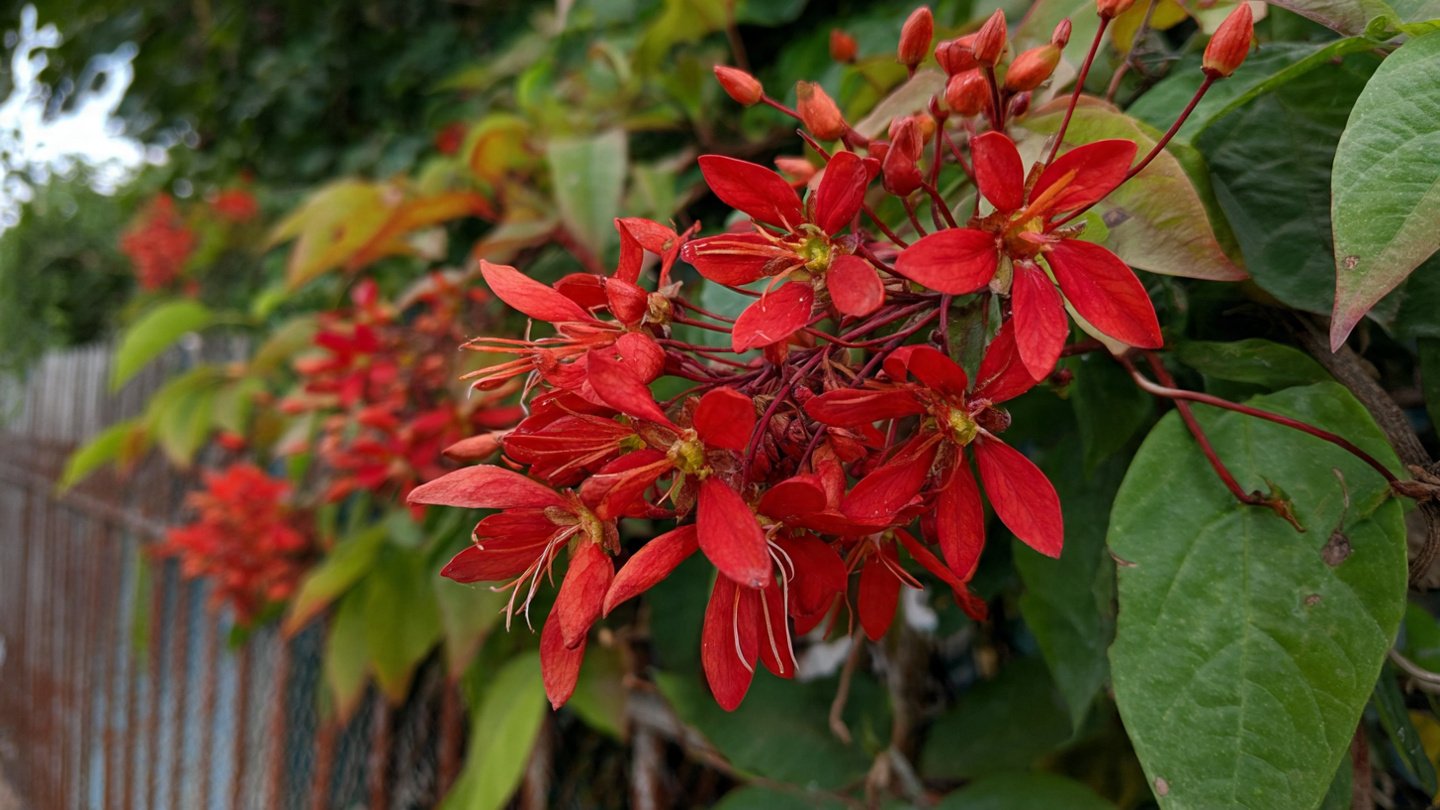
Rangoon creeper, scientifically known as Quisqualis indica, is a stunningly beautiful, fast-growing vine native to Southeast Asia. With its fragrant flowers that transition from white to pink to red, it’s no wonder many gardeners want to cultivate this spectacular plant for vertical gardening, particularly on fences. If you’re looking to add some color, fragrance, and charm to your outdoor space, this guide will walk you through the process of growing Rangoon creeper on your fence, ensuring it thrives and enchants anyone who passes by.
Understanding Rangoon Creeper
Before diving into the details of growing Rangoon creeper, it’s important to understand its characteristics and needs. This perennial vine can reach lengths of up to 30 feet and is typically grown in USDA hardiness zones 9 to 11. Its aromatic blossoms attract a variety of pollinators, making it beneficial for a garden ecosystem. While it can handle some neglect, providing it with proper care will maximize its growth and flowering potential.
Latest Posts
- Easy Steps to Successfully Grow Bhindi in Grow Bags at Home
- Easy Steps to Grow a Healthy Guava Bonsai at Home for Beginners
- How to Successfully Grow and Cultivate White Strawberry Plants at Home for Delicious and Unique Fruits
- Ultimate Guide to Successfully Growing Weeping Fig Outdoors with Proven Techniques and Expert Tips
- How to Successfully Grow Flemish Beauty Pear Trees in Canada for Optimal Harvest
- Easy Hack to Grow Strawberries Year Round in Your Home Garden for Delicious Harvests
- Growing Flemish Beauty Pears in Canada A Complete Guide for Local Gardens
- The Ultimate Guide to Growing Hibiscus Plants Year Round for Vibrant Blooms and Healthy Foliage
- Easy Ways to Boost the Growth Rate of Your Indoor Peace Lily for Lush Green Foliage
- How to Successfully Grow Oak Leaf Lettuce in Your Home Garden for Fresh and Flavorful Salads
Key Features of Rangoon Creeper:
- Flower Color: The flowers start off white, transition to pink, and ultimately turn red, creating a breathtaking tapestry of colors.
- Fragrance: The scent of its blooms is intoxicating, often described as sweet and spicy, making it a wonderful addition to evening gardens.
- Growth Habit: This vine is known for its vigorous growth, capable of climbing structures such as fences, trellises, and arbors.
Selecting the Right Location
1. Sunlight Requirements
Rangoon creeper thrives in full sun to partial shade. Ideally, select a spot that receives at least 6 hours of direct sunlight daily. This will ensure robust growth and prolific blooming. If your fence is in a shady location, consider trimming back surrounding vegetation to allow more light to penetrate.
2. Choosing a Fence
Opt for a sturdy fence that can support the weight of the vine as it grows. A wooden or metal fence works well, but ensure it is built securely enough to withstand the vine’s climbing habit. If using a wooden fence, consider applying a protective sealant to extend its life.
Preparing for Planting
3. Soil Preparation
Rangoon creepers prefer well-draining soil rich in organic matter. Here’s how to prepare the soil:
- Test Your Soil: Conduct a simple soil test to understand its pH and nutrient content. Rangoon creeper prefers a slightly acidic to neutral pH (around 6.0 to 7.0).
- Amendments: If your soil is lacking, amend it with compost or well-rotted manure to enhance fertility. Incorporating organic matter will improve drainage and aeration.
4. Choosing Your Planting Method
From Seed
Growing Rangoon creeper from seed is possible but requires patience, as germination can be slow. Plant seeds in pots filled with seed starting mix, keeping them warm and moist until germination occurs.
From Cuttings

Taking cuttings from a healthy Rangoon creeper vine is often the most effective method. Here’s how to do it:
- Select a Healthy Vine: Choose a vigorous vine free from pests and diseases.
- Cut a 6-8 inch Length: Make a clean cut just below a leaf node.
- Prepare the Cutting: Remove the lower leaves and dip the cut end in rooting hormone to enhance root development.
- Plant the Cutting: Place it in a pot filled with moist potting mix, water it thoroughly, and cover it with a clear plastic bag to create a humid environment. Place it in a bright area but out of direct sunlight.
Planting Rangoon Creeper
5. Timing
The best time to plant Rangoon creeper is in the spring after the last frost or in early autumn when temperatures are mild. This timing allows the plant to establish roots before extreme weather conditions set in.
6. Planting Process
- Dig Your Hole: Make a hole that is twice the width and depth of the root ball.
- Place the Vine: If transferring from a pot, gently loosen the edges of the root ball and place it in the hole, ensuring it sits at the same depth it was growing in its pot.
- Backfill: Fill the hole with soil and pack it down gently to eliminate air pockets.
- Watering: Water the newly planted vine thoroughly to help settle the soil.

Providing Support
7. Creating a Support Structure
To encourage your Rangoon creeper to climb your fence, it will require a support structure. Here are a few options:
- Trellises: A trellis nailed to your fence can give the vine something to latch onto as it grows.
- Wire or String: Running a wire or sturdy string helps guide the vines upward.
- Natural Supports: Use branches, bamboo sticks, or even old ladders to provide additional climbing surfaces.
8. Training the Vine
As the plant grows, actively train it to climb the fence by gently wrapping the stems around the support or securing them with garden ties. Regularly check for wayward growth and redirect it as needed.
Ongoing Care
9. Watering

Rangoon creeper plants prefer consistently moist but not soggy soil. Water them deeply at least once a week, especially during hot, dry spells. Consider using a drip irrigation system for efficiency.
10. Fertilization
Feed your Rangoon creeper with a balanced fertilizer every four to six weeks during the growing season. A slow-release, organic fertilizer will provide nutrients without overwhelming the plant.
11. Pruning
Pruning is essential for maintaining shape and encouraging bushier growth:
- Post-Bloom Pruning: After the flowering season, cut back any dead or overgrown stems to promote air circulation and prevent disease.
- Shaping: In spring, prune to shape the vine and encourage new growth.
Pest and Disease Management
12. Common Pests
Rangoon creepers can attract pests such as aphids, mealybugs, and spider mites. Regularly inspect the foliage and take the following actions if you spot any:

- Neem Oil: A natural insecticide that works against various pests. Spray it on affected areas according to instructions.
- Insecticidal Soap: An effective treatment for soft-bodied insects.
13. Disease Prevention
While Rangoon creeper is generally resilient, it can be susceptible to fungal diseases in humid conditions. Ensure adequate air circulation and avoid over-watering. If problems arise, remove affected leaves and apply a fungicidal spray as necessary.
Harvesting and Enjoying the Blooms
14. Enjoying the Fragrance
Once your Rangoon creeper starts to flower, you can enjoy its alluring fragrance wafting through your garden. These stunning blooms can be cut and placed in vases for fragrant indoor arrangements.
Final Thoughts
Growing Rangoon creeper on your fence can transform your garden into a vibrant paradise filled with color and fragrance. By following these simple steps—selecting the right location, providing appropriate support, and maintaining the plant through proper care—you can successfully cultivate this wonderful vine. Over time, you’ll find yourself captivated by its beauty and the serene atmosphere it adds to your outdoor space. Happy gardening!