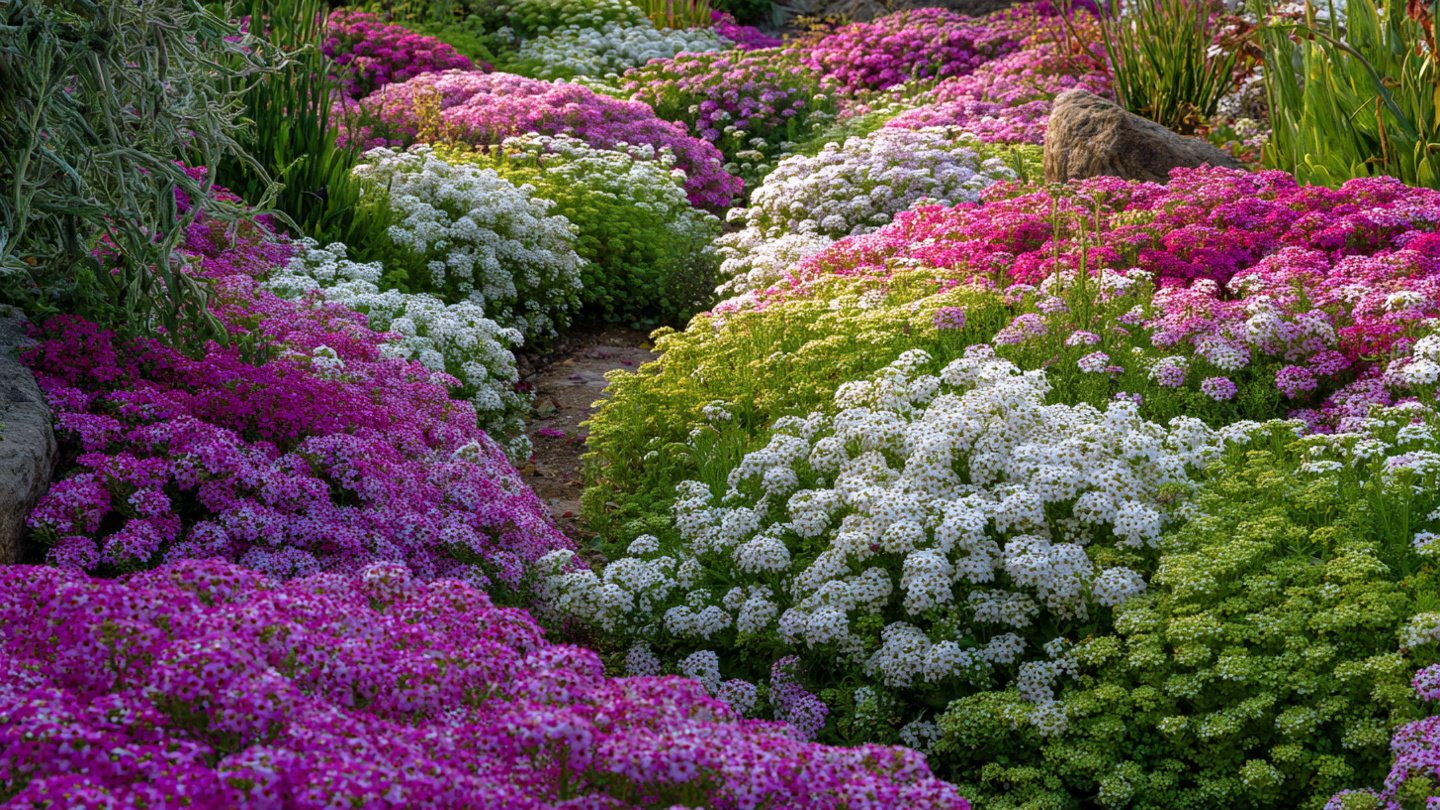
Creating a lush garden is the dream of many gardening enthusiasts. Among the plethora of plants that can contribute to a verdant landscape, Alyssum carpet plants stand out for their beauty, ease of maintenance, and versatility. These low-growing, fragrant flowers are perfect for borders, containers, and even as ground cover. This article will explore how to cultivate Alyssum carpet plants effectively and design a garden that is both lush and vibrant.
Understanding Alyssum Carpet Plants
What Are Alyssum Carpet Plants?
Latest Posts
- Easy Steps to Successfully Grow Bhindi in Grow Bags at Home
- Easy Steps to Grow a Healthy Guava Bonsai at Home for Beginners
- How to Successfully Grow and Cultivate White Strawberry Plants at Home for Delicious and Unique Fruits
- Ultimate Guide to Successfully Growing Weeping Fig Outdoors with Proven Techniques and Expert Tips
- How to Successfully Grow Flemish Beauty Pear Trees in Canada for Optimal Harvest
- Easy Hack to Grow Strawberries Year Round in Your Home Garden for Delicious Harvests
- Growing Flemish Beauty Pears in Canada A Complete Guide for Local Gardens
- The Ultimate Guide to Growing Hibiscus Plants Year Round for Vibrant Blooms and Healthy Foliage
- Easy Ways to Boost the Growth Rate of Your Indoor Peace Lily for Lush Green Foliage
- How to Successfully Grow Oak Leaf Lettuce in Your Home Garden for Fresh and Flavorful Salads
Alyssum, particularly the varieties known as carpet plants, belong to the Brassicaceae family. Commonly referred to as sweet alyssum (Lobularia maritima), these flowers produce dense mats of tiny blossoms that can be white, purple, or pink in color, characterized by their charming fragrance and ability to attract pollinators. Alyssum carpet plants are often used in rock gardens, as ground cover, or in hanging baskets due to their sprawling habit.
Benefits of Alyssum Carpet Plants
- Aesthetic Appeal: The delicate clusters of flowers create a soft blanket of color, enhancing the beauty of any garden.
- Fragrance: Sweet alyssum emits a pleasant, sweet scent that can elevate the sensory experience of your garden.
- Pollinator Friendly: Attracts bees, butterflies, and other beneficial insects, promoting a healthy ecosystem in your garden.
- Versatility: Can thrive in various settings, including containers, window boxes, borders, and as ground cover.
- Drought Resistant: Once established, they can tolerate dry conditions, making them a great choice for low-maintenance gardens.
Climate and Soil Requirements
Alyssum plants thrive in full sun to partial shade conditions. They prefer well-drained soil that is moderately fertile. Sandy loam is ideal, but they can adapt to clay soils as long as there is good drainage. While they can tolerate a range of pH levels, a slightly alkaline to neutral pH (6.0 – 7.0) is optimal.
How to Grow Alyssum Carpet Plants

1. Choosing the Right Variety
When selecting Alyssum for your garden, consider the different varieties available. Some popular types include:
- Alyssum saxatile: Features bright yellow flowers and is more drought-tolerant.
- Alyssum montanum: Known for its golden-yellow blooms and suitable for rock gardens.
- Lobularia maritima (sweet alyssum): The most common type, offering fragrant white, pink, or purple flowers.
Choosing the right variety depends on your specific garden environment and aesthetic preferences.
2. Preparing the Planting Site
Preparation is key to a successful garden:
- Choose Your Site: Select the area that receives a minimum of 6 hours of sunlight daily.
- Test Soil pH: Use a soil test kit to determine pH and nutrient levels. Amend your soil as needed.
- Add Organic Matter: Incorporate compost or well-rotted manure to enhance soil structure and fertility.
- Ensure Drainage: If your garden has heavy clay soil, consider creating raised beds or adding gravel to improve drainage.
3. Sowing Seeds

Alyssum can be grown from seeds or seedlings. Here’s how to do it:
Starting Indoors:
- Timing: Start seeds indoors 6-8 weeks before the last frost date.
- Seeding: Sow seeds in seed trays or pots, covering them lightly with soil. Keep the soil moist but not soggy.
- Light: Provide bright light with grow lights or a sunny window.
Transplanting:
- Harden off seedlings by gradually exposing them to outdoor conditions for about a week before transplanting.
- Space seedlings about 6-12 inches apart, depending on the variety.
Direct Sowing:
- If you prefer to sow seeds directly into your garden, wait until after the last frost.
- Scatter seeds and lightly rake them into the soil. Water gently to avoid displacing them.

4. Watering and Fertilizing
Alyssum plants need regular watering, especially during dry spells. However, they do not like overly wet soil. Here’s how to manage watering and fertilization:
- Watering: Water deeply but infrequently, allowing the top inch of soil to dry out between waterings.
- Mulching: Apply a layer of mulch around your plants to retain moisture and suppress weeds.
- Fertilizing: Alyssum does not require heavy feeding. A light application of a balanced fertilizer in spring can help promote blooming.
5. Weed and Pest Management
Maintaining a lush garden involves keeping it free of weeds and pests:
- Weeding: Regularly remove weeds by hand or use mulch to suppress their growth. Be cautious not to disturb Alyssum roots when weeding.
- Pest Control: Although resistant to many pests, watch for aphids and whiteflies. Use insecticidal soap or neem oil to manage infestations.
6. Pruning and Maintenance
To encourage bushier growth and prolonged blooming:
- Pinching Back: Pinch back the tips of young plants to promote branching.
- Deadheading: Remove spent flowers to prevent seed formation and encourage more blooms.
- Periodic Watering: Ensure consistent watering, especially during flowering periods.

7. Winter Care
In cooler climates, Alyssum may die back in winter but usually re-emerges in spring:
- Mulching: Apply a layer of mulch to protect roots during winter.
- Cutting Back: After the first frost, cut back the plants to a few inches above the ground.
8. Attracting Pollinators
Alyssum carpet plants can serve as a magnet for pollinators:
- Companion Planting: Pair Alyssum with other flowering plants to create a diverse ecosystem.
- Avoid Pesticides: Reduce or eliminate pesticide use to protect beneficial insects.
Designing Your Lush Garden with Alyssum
Alyssum carpet plants can be creatively incorporated into your garden design:
1. Ground Cover

Use Alyssum as a ground cover to suppress weeds and create a cohesive look in your garden. Plant them in large drifts for a stunning visual impact.
2. Container Gardens
Combine Alyssum with trailing plants and upright flowers in containers for a vibrant display. Their low-growing nature makes them ideal for the front of arrangements.
3. Garden Borders
Create borders with Alyssum along pathways or garden beds. Their fragrant blooms will enhance the garden’s aesthetic and provide an inviting ambiance.
4. Edges and Paths
Plant Alyssum along the edges of paths or walkways, creating an informal look and allowing for easy access and maintenance.
5. Color Combinations
Experiment with color combinations when planting Alyssum beside other flowers. Pair them with contrasting colors or complementary hues for a visually stunning impact.
Conclusion
Achieving a lush garden is well within reach by incorporating Alyssum carpet plants. Their ease of growth, low maintenance requirements, and aesthetic appeal make them an excellent choice for any gardener. By following the steps outlined in this article, you can create a beautifully vibrant garden that not only enhances your outdoor space but also benefits local pollinators. With diligent care and thoughtful design, your garden will bloom with the fragrant charm of Alyssum for years to come.