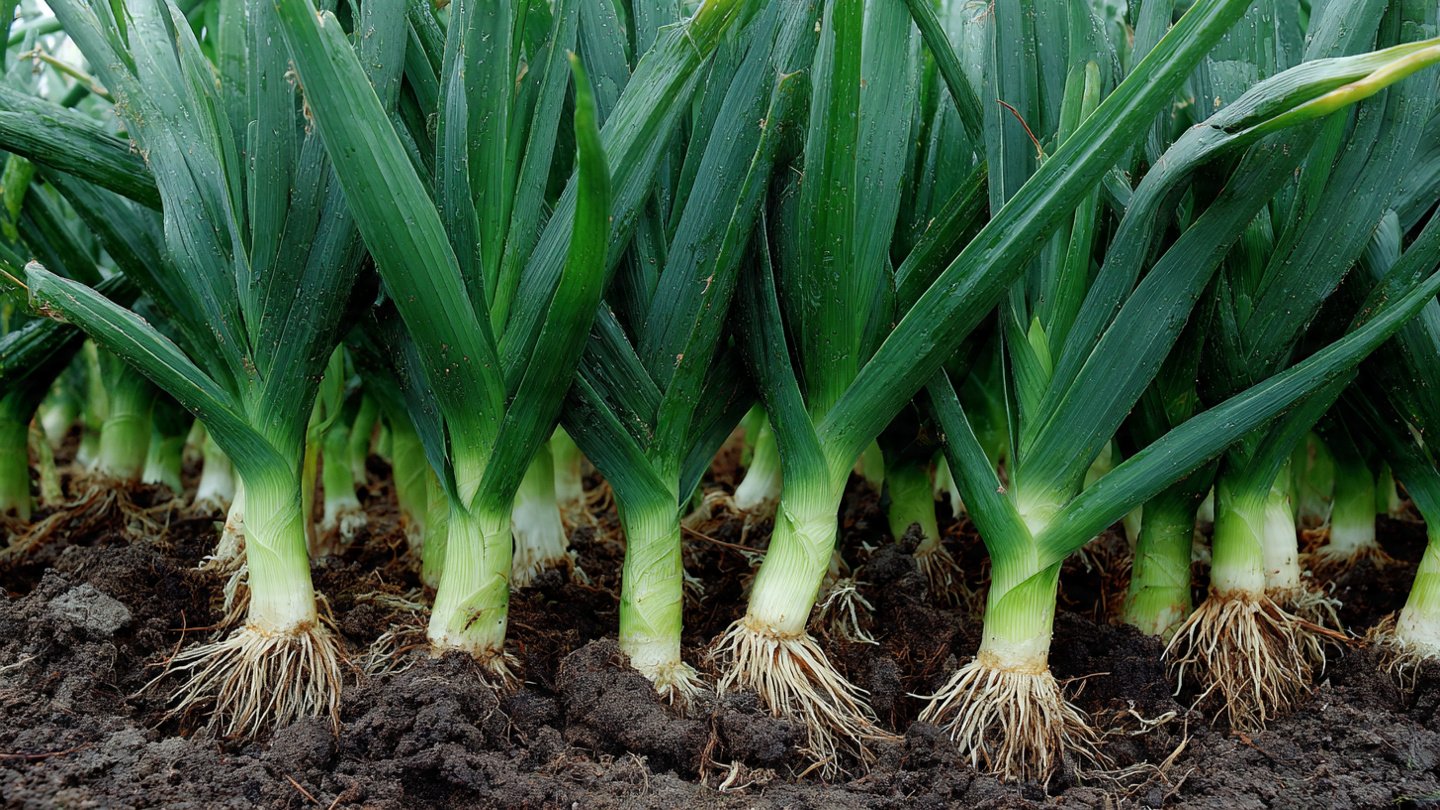
Growing leeks can be a rewarding endeavor, providing a steady supply of fresh, flavorful vegetables for your kitchen. The idea of continuous harvest means enjoying this nutritious vegetable throughout the growing season, if not year-round, depending on your climate. But how do you achieve this? Let’s explore the secrets to mastering continuous leek harvests.
Understanding Leeks: A Brief Overview
Leeks (Allium ampeloprasum) are members of the onion family and are celebrated for their mild, sweet flavor. They thrive in cooler climates and can be grown in a variety of soils. Unlike their bulbous relatives, leeks develop long, cylindrical stalks, which are the edible parts of the plant.
Latest Posts
- Easy Steps to Successfully Grow Bhindi in Grow Bags at Home
- Easy Steps to Grow a Healthy Guava Bonsai at Home for Beginners
- How to Successfully Grow and Cultivate White Strawberry Plants at Home for Delicious and Unique Fruits
- Ultimate Guide to Successfully Growing Weeping Fig Outdoors with Proven Techniques and Expert Tips
- How to Successfully Grow Flemish Beauty Pear Trees in Canada for Optimal Harvest
- Easy Hack to Grow Strawberries Year Round in Your Home Garden for Delicious Harvests
- Growing Flemish Beauty Pears in Canada A Complete Guide for Local Gardens
- The Ultimate Guide to Growing Hibiscus Plants Year Round for Vibrant Blooms and Healthy Foliage
- Easy Ways to Boost the Growth Rate of Your Indoor Peace Lily for Lush Green Foliage
- How to Successfully Grow Oak Leaf Lettuce in Your Home Garden for Fresh and Flavorful Salads
Nutritional Benefits
Leeks are rich in vitamins A, C, and K, as well as several B vitamins. They also contain fiber and a variety of minerals, making them an excellent addition to a balanced diet. Incorporating leeks into meals can enhance flavor while providing numerous health benefits.
Preparing for Continuous Harvest: Planning and Preparation
To achieve a continuous harvest of leeks, careful planning is essential. This involves considering the time of year, soil preparation, seed selection, and planting techniques.
1. Timing Your Planting
Leeks have a long growing season, typically taking about 120 to 150 days from sowing to harvest. To maximize your harvest:
- Early Planting: Start leeks indoors about 10 to 12 weeks before the last frost in your area. This enables an early start.
- Succession Planting: Plant seeds every few weeks to stagger your harvest. This method, known as succession planting, ensures that you have leeks maturing at different times.
2. Choosing the Right Varieties
Not all leeks are created equal, especially when it comes to their growth rates and flavor profiles. Here are a few varieties that are particularly well-suited for continuous harvest:
- ‘Winter Jaune de Poitou’: Hardier for late fall and winter harvests.
- ‘Belton’: A reliable summer variety with excellent flavor.
- ‘Lancelot’: A fast-growing type, perfect for spring planting.
3. Soil Preparation
Good soil is vital for healthy leek growth. Follow these guidelines:
- Rich, Nutrient-Dense Soil: Leeks prefer loamy, well-drained soil rich in organic matter. Compost is particularly beneficial.
- pH Levels: Ensure soil pH is between 6.0 and 7.0 for optimal growth.
- Tillage: Prepare your garden beds by tilling the soil to a depth of at least 12 inches, helping to create a loose structure where leeks can thrive.
Planting Techniques for Success
Successful planting requires a good understanding of spacing and depth.
1. Spacing and Depth

Leeks should be planted deeper than most other vegetables. The ideal depth is about 6-8 inches, allowing the white stalk to develop nicely. Plant leeks 6-8 inches apart in rows spaced 12 inches apart. This spacing ensures that each leek has enough room to mature properly.
2. Hilling or Blanching
To develop the long, tender white parts of the leek, hilling—or blanching—is essential. This involves:
- Regularly Adding Soil: As the leeks grow, gradually mound soil around the base of the plants. This process keeps the stalks from turning green and bitter, increasing their sweetness.
Watering and Nutritional Supplementation
Leeks thrive in moist conditions but do not tolerate soggy soil. Maintaining consistent moisture levels is crucial for a continuous harvest.
1. Watering Techniques
- Consistent Watering: Water leeks deeply once a week, increasing frequency during dry spells.
- Mulching: Apply organic mulch to conserve moisture and prevent weeds. This can also improve soil quality as it breaks down.
2. Nutritional Needs
Leeks benefit from regular feeding. Consider using:
- Balanced Fertilizers: A nitrogen-rich fertilizer is ideal during the early growth stages, while a balanced fertilizer can be applied later to promote consistent growth.
- Organic Matter: Incorporating compost or well-rotted manure can improve soil quality and nutrient content.

Pest and Disease Management
Like all crops, leeks face threats from pests and diseases. Understanding common issues can significantly impact yield and the success of continuous harvest.
1. Common Pests
Several pests can affect leeks, including:
- Onion Maggots: These pests can attack the base of the plant. Crop rotation and row covers can help prevent infestation.
- Aphids: These sap-sucking insects can weaken plants. Introducing beneficial insects like ladybugs can help control aphid populations.
2. Diseases to Monitor
Leeks can also be susceptible to diseases:
- Fungal Diseases: Root rot is common; ensure proper drainage and avoid overwatering.
- Downy Mildew: This fungal disease appears on leaves. Proper spacing for air circulation and timely removal of affected plants can mitigate risks.
Harvesting: Techniques for Continuous Yield

To achieve a continuous harvest, develop a strategy for harvesting that allows you to pick leeks at various growth stages.
1. Timing Your Harvest
Leeks can be harvested when they reach a minimum diameter of about 1 inch. Harvesting starts as young leeks, known as “baby leeks” or “scallions,” provides tender, sweet leeks early in the season.
2. Proper Harvesting Method
- Gentle Uprooting: Use a garden fork or spade to loosen the soil around the leeks, then pull them out gently.
- Over-harvesting: Avoid removing too many from one area. Leave some leeks to mature fully for subsequent harvests.
3. Storing Leeks
Proper storage ensures you can enjoy leeks over an extended period:
- Refrigeration: Store unwashed leeks in a plastic bag in the vegetable crisper for about 2 weeks.
- Freezing: Blanch and freeze leeks to preserve them for long-term storage.
Extending Your Growing Season
In climates where frosts occur, consider methods to extend your growing season:

1. Row Covers
Lightweight row covers provide warmth and protection from frost while still allowing light through, promoting a longer growing season.
2. Cold Frames
Using cold frames enables you to grow leeks in cooler months. This structure retains heat and protects plants from frost damage.
3. Indoor Growing
For an always-available supply of leeks, consider growing them indoors in pots. With adequate light and temperature control, you can cultivate leeks year-round.
Conclusion
Mastering the cultivation of leeks for continuous harvest may require some effort and attention to detail, but the rewards are plentiful. Fresh, homegrown leeks can enhance your culinary endeavors while contributing to a healthful diet.
By understanding the needs of your plants—through careful planning, proper planting techniques, effective pest management, and timing your harvest—you can ensure a steady supply of this edible delicacy throughout the season.
Whether you grow them in your garden, raised beds, or containers, the secrets of growing leeks for continuous harvest can make your gardening experience both fruitful and enjoyable. Start planning today, and soon you’ll be reaping the delicious rewards of your labor!