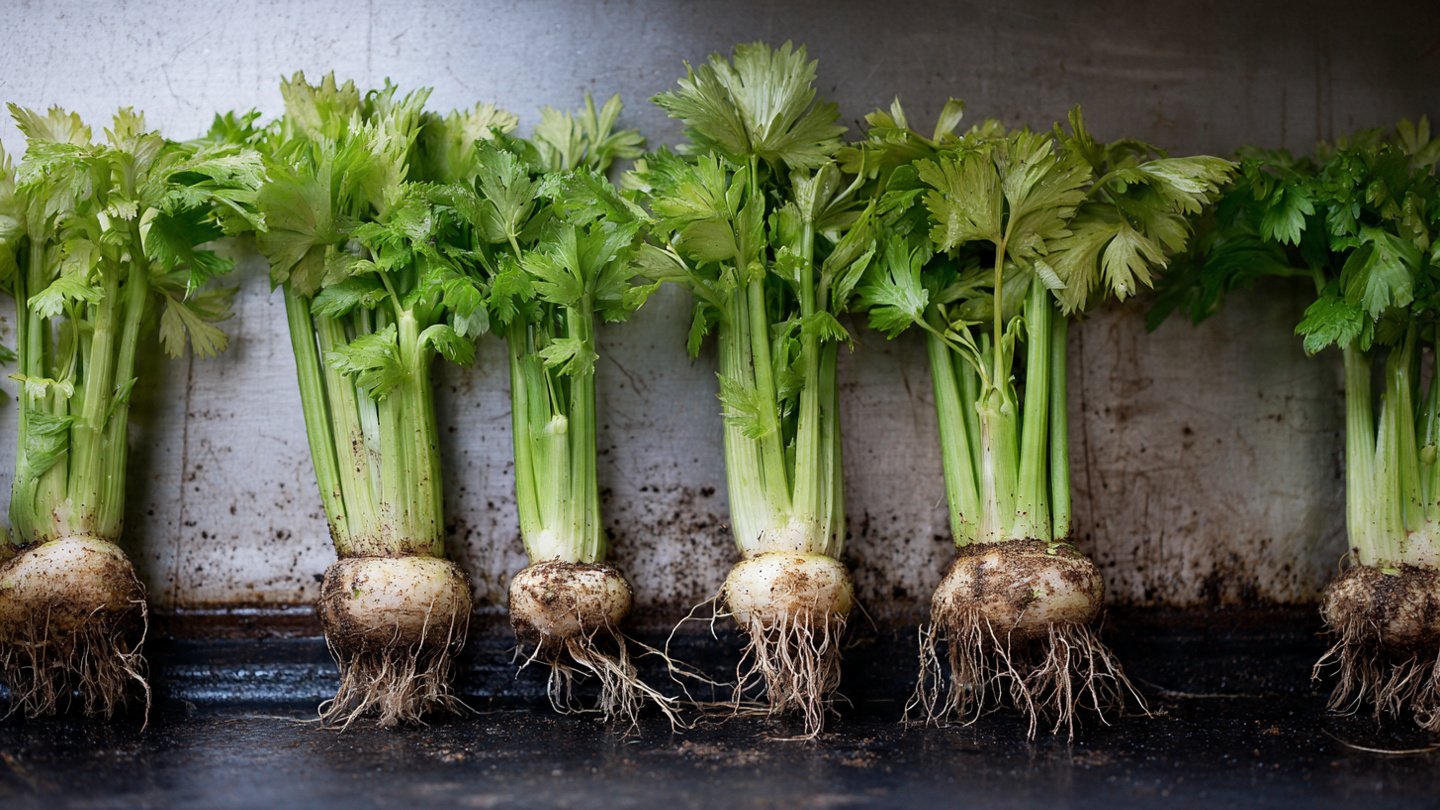
In today’s world, sustainable living and gardening have become important practices for reducing waste and promoting a healthier environment. One of the easiest and most rewarding ways to adopt sustainable gardening is by regrowing vegetables from kitchen scraps. Celery, a staple in many kitchens, is a perfect candidate for this. Not only is it simple to regrow, but it also saves money, reduces food waste, and provides fresh, homegrown greens. This article explores how to regrow celery from kitchen waste, guiding you step-by-step through the process and helping you cultivate a sustainable garden.
Why Regrow Celery?
Regrowing celery from kitchen scraps offers numerous benefits:
Latest Posts
- Easy Steps to Successfully Grow Bhindi in Grow Bags at Home
- Easy Steps to Grow a Healthy Guava Bonsai at Home for Beginners
- How to Successfully Grow and Cultivate White Strawberry Plants at Home for Delicious and Unique Fruits
- Ultimate Guide to Successfully Growing Weeping Fig Outdoors with Proven Techniques and Expert Tips
- How to Successfully Grow Flemish Beauty Pear Trees in Canada for Optimal Harvest
- Easy Hack to Grow Strawberries Year Round in Your Home Garden for Delicious Harvests
- Growing Flemish Beauty Pears in Canada A Complete Guide for Local Gardens
- The Ultimate Guide to Growing Hibiscus Plants Year Round for Vibrant Blooms and Healthy Foliage
- Easy Ways to Boost the Growth Rate of Your Indoor Peace Lily for Lush Green Foliage
- How to Successfully Grow Oak Leaf Lettuce in Your Home Garden for Fresh and Flavorful Salads
- Cost-Effective: Instead of buying new celery every time, you can regrow stalks multiple times.
- Reduces Waste: Normally, celery bases are discarded, but regrowing uses parts often thrown away.
- Fresh and Organic: Growing your own celery at home allows you to avoid pesticides.
- Educational: It offers a hands-on experience of plant growth cycles, great for adults and kids alike.
What You’ll Need
Before diving into regrowing celery, gather these simple materials:
- A fresh celery stalk or the base of used celery (with about 2-3 inches of the base intact)
- A shallow dish or bowl
- Water
- Potting soil (for transplanting later)
- A small pot or container with drainage holes
- A sunny windowsill or a location with indirect sunlight

Step-By-Step Guide to Regrow Celery
Step 1: Choose the Right Celery Base
When you buy celery, select firm, fresh stalks with a healthy base. If you have leftover celery from cooking, the base or bottom part is what you will use for regrowing. Cut the celery stalks, leaving about 2-3 inches from the base.
Step 2: Prepare the Celery Base for Regrowth
Trim the celery base to ensure it’s flat and even on the bottom to help it sit steadily in water. Remove any leaves or stalks attached to the base, except for the very bottom part where roots will grow.
Step 3: Place Celery Base in Water
Fill a shallow bowl or dish with about half an inch of water. Place the celery base cut-side up in the shallow dish, ensuring the bottom part is immersed in water. The water will stimulate root growth.
Step 4: Find a Sunny Spot

Place the dish on a sunny windowsill or an area that receives indirect sunlight. Celery needs light to photosynthesize and stimulate new growth.
Step 5: Change Water Regularly
Change the water every 1-2 days to prevent mold and bacteria buildup. Fresh water keeps the celery healthy and promotes root development.
Step 6: Watch for New Growth
Within a few days, you will notice new leaves and roots growing from the base. The roots will grow downward into the water, while new leafy stalks will sprout from the top.
Step 7: Transplant to Soil
After about 1-2 weeks, when the roots are well-established (around 2-3 inches long) and new leaves have grown, transfer the celery base to soil. Choose a pot with good drainage, fill it with quality potting soil, and plant the celery base, covering the roots but leaving the leaves exposed.
Step 8: Care for Your Growing Celery Plant
- Watering: Keep the soil moist but not waterlogged. Celery prefers consistent moisture.
- Sunlight: Ensure the plant gets at least 6 hours of indirect or filtered sunlight daily.
- Temperature: Celery thrives in cooler temperatures (60-70°F or 15-21°C).

Step 9: Harvest and Enjoy
Within 3-4 weeks, your celery will be ready to harvest again. Cut the stalks from the outer edges, leaving the central stalks to continue growing. This way, you can continually harvest fresh celery right from your window or garden.
Additional Tips for Successful Celery Regrowth
- For better growth, use filtered or rainwater instead of tap water if your water is heavily chlorinated.
- Avoid placing the celery in direct harsh sunlight during hot summer days as it may wilt.
- If you prefer, you can start celery regrowth directly in soil by planting the base, but water propagation is easier for beginners.
Why This Practice Matters for Sustainable Gardening
Regrowing celery from kitchen waste is a microcosm of the larger sustainable gardening movement. Here’s why it matters:
Reduces Kitchen Waste
Food scraps constitute a significant portion of household waste. Instead of sending the celery base to landfills, regrowing it transforms waste into a renewable resource.
Saves Money
Constantly buying fresh vegetables adds up. This method reduces grocery costs and encourages a self-sustaining lifestyle.

Encourages Organic Practices
Regrowing at home allows control over what chemicals or fertilizers are used, making it easier to practice organic gardening.
Strengthens Connection with Nature
Growing plants fosters a sense of responsibility and appreciation for nature, especially when reclaiming scraps that might otherwise be discarded.
Teaches Green Living to Future Generations
Sustainable gardening techniques like regrowing celery are easy, practical lessons that children and adults alike can learn, promoting environmental stewardship.
Common Challenges and How to Overcome Them
Mold or Rotting Base
If the celery base starts to rot or develop mold, it’s usually due to standing water that’s not changed often enough. Regularly refresh the water and use clean containers.
Lack of Growth
If the celery doesn’t sprout roots or leaves, the base might be old or the conditions might be unsuitable (too little light, too warm). Try a fresher base or move the setup to a brighter spot.

Wilting Leaves
Wilting indicates insufficient water or too much heat. Keep the soil moist and maintain cool temperatures.
Expanding Your Sustainable Garden Beyond Celery
Once you master celery regrowth, you can try other kitchen scraps such as lettuce, green onions, garlic, or even herbs like basil and mint. Sustainable gardening is about trial and learning, making your kitchen a mini farm and your garden a zero-waste zone.
Conclusion
Regrowing celery from kitchen waste is a simple, rewarding, and sustainable gardening practice that anyone can adopt. Not only does it help reduce waste and save money, but it also provides fresh produce and greenens your living space. By following the steps outlined in this guide, you’ll be able to turn what was once discarded throwaway into a thriving celery plant that replenishes itself. Sustainable gardening, one celery stalk at a time!
Would you like me to include detailed care instructions for celery plants or suggestions for other vegetables you can regrow from kitchen scraps?