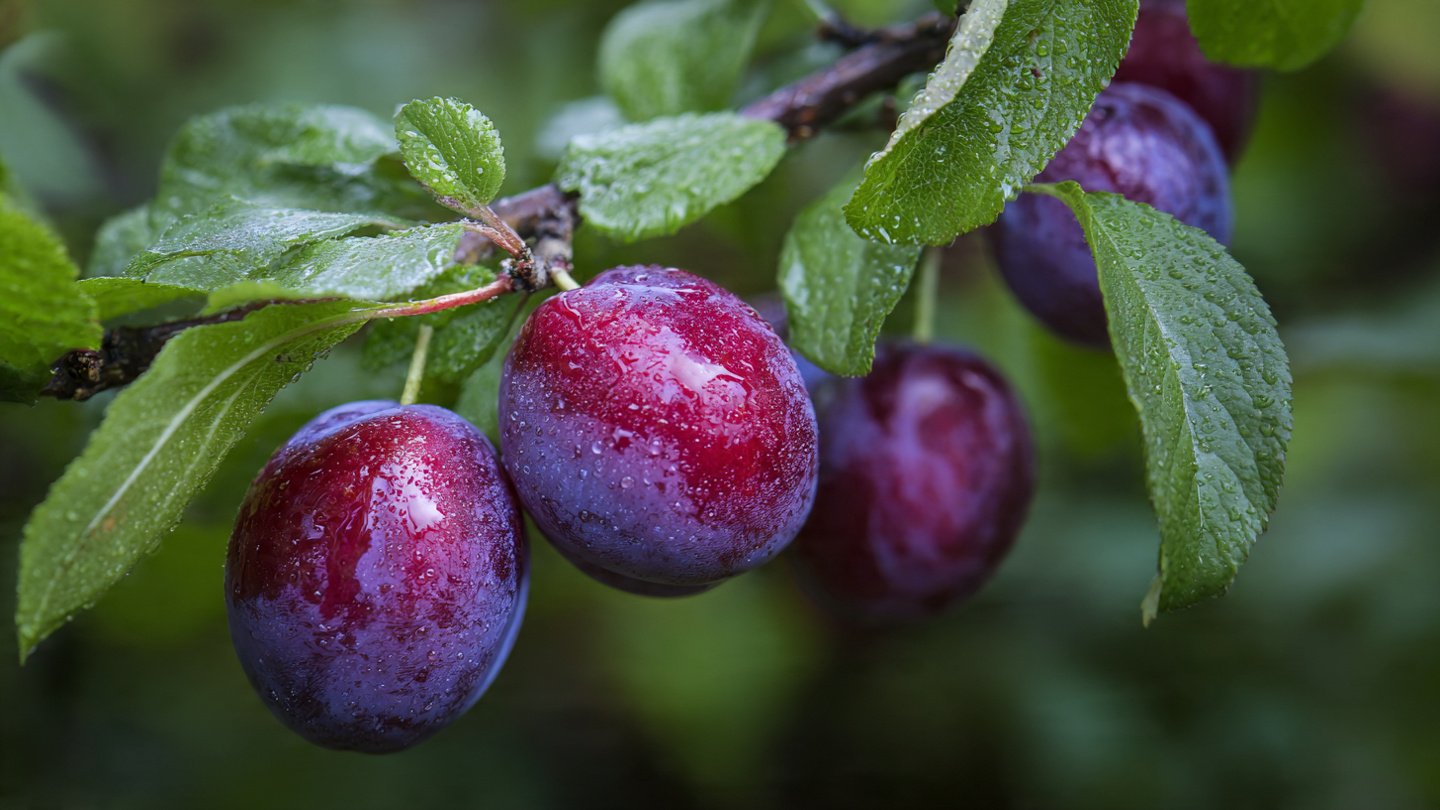
Mount Royal plum trees (Prunus domestica ‘Mount Royal’) are renowned for their luscious, sweet fruit and are especially valued in colder climates where other fruit-bearing trees may struggle. These trees are not only aesthetically pleasing, with their beautiful blossoms in the spring and rich green foliage, but they also provide a significant yield of tasty plums. In this comprehensive guide, we’ll delve into the best practices for growing Mount Royal plum trees in cold climate areas, covering everything from site selection and soil requirements to care and maintenance, and we will conclude with an FAQ section to address common concerns.
Understanding Mount Royal Plum Trees
Characteristics
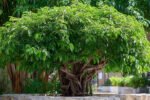
The Mount Royal plum is a hardy tree that can withstand colder temperatures, making it ideal for USDA hardiness zones 4 to 8. The tree typically reaches a height of 15 to 20 feet and has an open canopy that allows plenty of sunlight to penetrate. The fruit itself usually ripens in late summer and is characterized by its dark purple skin and sweet, juicy flesh.
Benefits of Growing Mount Royal Plum Trees
- Flavor: Known for its rich flavor, Mount Royal plums can be enjoyed fresh or used in jams, jellies, and desserts.
- Cold Hardy: Preferring cooler climates, it provides agricultural opportunities in areas often deemed unsuitable for other fruit trees.
- Sustainability: Growing your own fruit reduces the carbon footprint associated with store-bought produce.
Site Selection and Preparation
Choosing the Right Location
Mount Royal plum trees thrive in well-drained soil with ample sunlight. When selecting a site:
- Sunlight: Opt for a location that receives at least 6 to 8 hours of direct sunlight daily.
- Airflow: Good airflow helps dry out excess moisture, thus preventing fungal diseases. Avoid low-lying areas where cold air might settle.
- Protection: Ideally, choose a location that is somewhat sheltered from harsh winds, which can damage blossoms and new growth.
Soil Requirements
Healthy soil is critical for optimal growth. Conduct a soil test to ensure your soil has the right pH and nutrient levels. Mount Royal plums prefer:
- pH: A slightly acidic to neutral pH (between 6.0 and 7.0).
- Drainage: Well-drained, loamy soil rich in organic matter. Heavy clay soils should be avoided unless improved with amendments.
- Amendments: Incorporate compost or well-rotted manure at planting time to boost soil fertility.
Planting Mount Royal Plum Trees
Timing
In cold climates, the best time to plant is either in the spring after the last frost or in the fall before the ground freezes. Early spring plucking allows the tree to establish roots before summer heat sets in.
Latest Posts
- Easy Steps to Successfully Grow Bhindi in Grow Bags at Home
- Easy Steps to Grow a Healthy Guava Bonsai at Home for Beginners
- How to Successfully Grow and Cultivate White Strawberry Plants at Home for Delicious and Unique Fruits
- Ultimate Guide to Successfully Growing Weeping Fig Outdoors with Proven Techniques and Expert Tips
- How to Successfully Grow Flemish Beauty Pear Trees in Canada for Optimal Harvest
- Easy Hack to Grow Strawberries Year Round in Your Home Garden for Delicious Harvests
- Growing Flemish Beauty Pears in Canada A Complete Guide for Local Gardens
- The Ultimate Guide to Growing Hibiscus Plants Year Round for Vibrant Blooms and Healthy Foliage
- Easy Ways to Boost the Growth Rate of Your Indoor Peace Lily for Lush Green Foliage
- How to Successfully Grow Oak Leaf Lettuce in Your Home Garden for Fresh and Flavorful Salads
Planting Steps
- Dig the Hole: The planting hole should be twice as wide and as deep as the root ball.
- Prepare the Roots: Soak the roots in water for a few hours before planting. If roots are circling, gently straighten them out.
- Positioning: Place the tree in the center of the hole, ensuring the root collar (the area where the roots meet the trunk) is level with the soil surface.
- Backfill: Fill in with native soil, gently packing it down to remove air pockets.
- Watering: Water thoroughly after planting to settle the soil around the roots.
Care and Maintenance
Watering
Adequate moisture is key, especially during dry spells in the growing season. Plum trees typically require 1 inch of water per week, either from rainfall or irrigation. Water deeply to encourage deeper root growth.
Fertilization
Fertilizing Mount Royal plum trees is crucial to enhance fruit production. A balanced fertilizer (like 10-10-10) can be applied in early spring before new growth begins. Follow the manufacturer’s instructions for the appropriate quantity.
Pruning
Pruning should be done yearly in late winter or early spring before new growth begins. This practice helps:
- Maintain a strong structure.
- Improve air circulation.
- Remove any dead, diseased, or crossing branches.
Pest and Disease Management
In cold climates, Mount Royal plum trees can face pests and diseases, particularly if not managed properly:
- Common Pests: Aphids, plum curculio, and spider mites can affect your trees. Regularly inspect leaves and branches. Use natural insecticides or introduce beneficial insects like ladybugs as a preventive measure.
- Fungal Diseases: Ensure good air circulation and avoid overhead watering to minimize risks from diseases like brown rot. If needed, employ fungicides labeled for use on fruit trees.
Thinning Fruit
For optimal fruit size and quality, thin the fruit when it reaches about the size of a marble. Aim to leave about 4 to 6 inches between each plum. This allows the tree to channel more energy into fewer fruits, enhancing their flavor and size.
Harvesting Mount Royal Plums
Timing
Plums are usually ready for harvest between mid-August and early September. It’s essential to pick them at the right time for the best taste:
- Color: Look for deep purple color and a slight give when gently squeezed.
- Taste Test: Sampling a plum is the best way to determine ripeness.
Method
To harvest, gently twist the plum, and it should come off easily if ripe. Handle the fruits carefully to avoid bruising.

Conclusion
Growing Mount Royal plum trees in cold climate areas is not only feasible but also rewarding. With the right site selection, proper care, and maintenance, these trees will produce abundant, delicious fruits year after year. Whether you’re growing them for personal consumption or hoping to share with family and friends, the joy of harvesting your own fruit is unparalleled. By following the guidelines in this article, you’ll be set up for success.
FAQs
Q1: How can I tell if my Mount Royal plum tree is healthy?
A1: Healthy trees show vibrant green leaves, healthy growth, and abundant fruit production. Watch for signs of stress like yellowing leaves or stunted growth.
Q2: Should I cover the tree in winter?
A2: In extremely cold climates, you can wrap the trunk with burlap and use mulch around the base to protect the roots from freezing.
Q3: Can I grow Mount Royal plums in containers?
A3: Yes, you can grow these trees in large containers. Ensure you choose a dwarf variety and provide adequate watering and drainage.
Q4: How often should I fertilize my Mount Royal plum tree?
A4: Fertilize once in early spring and possibly again in late summer if growth appears sluggish.
Q5: Do I need another plum tree for pollination?
A5: While Mount Royal plums are self-pollinating, planting another variety nearby can enhance fruit yield and size.
By implementing these practices, you’ll create the perfect environment to grow healthy, fruitful Mount Royal plum trees and enhance your gardening experience. Whether you are a novice gardener or an experienced horticulturist, these guidelines can help you cultivate delectable fruit in your cold climate area.