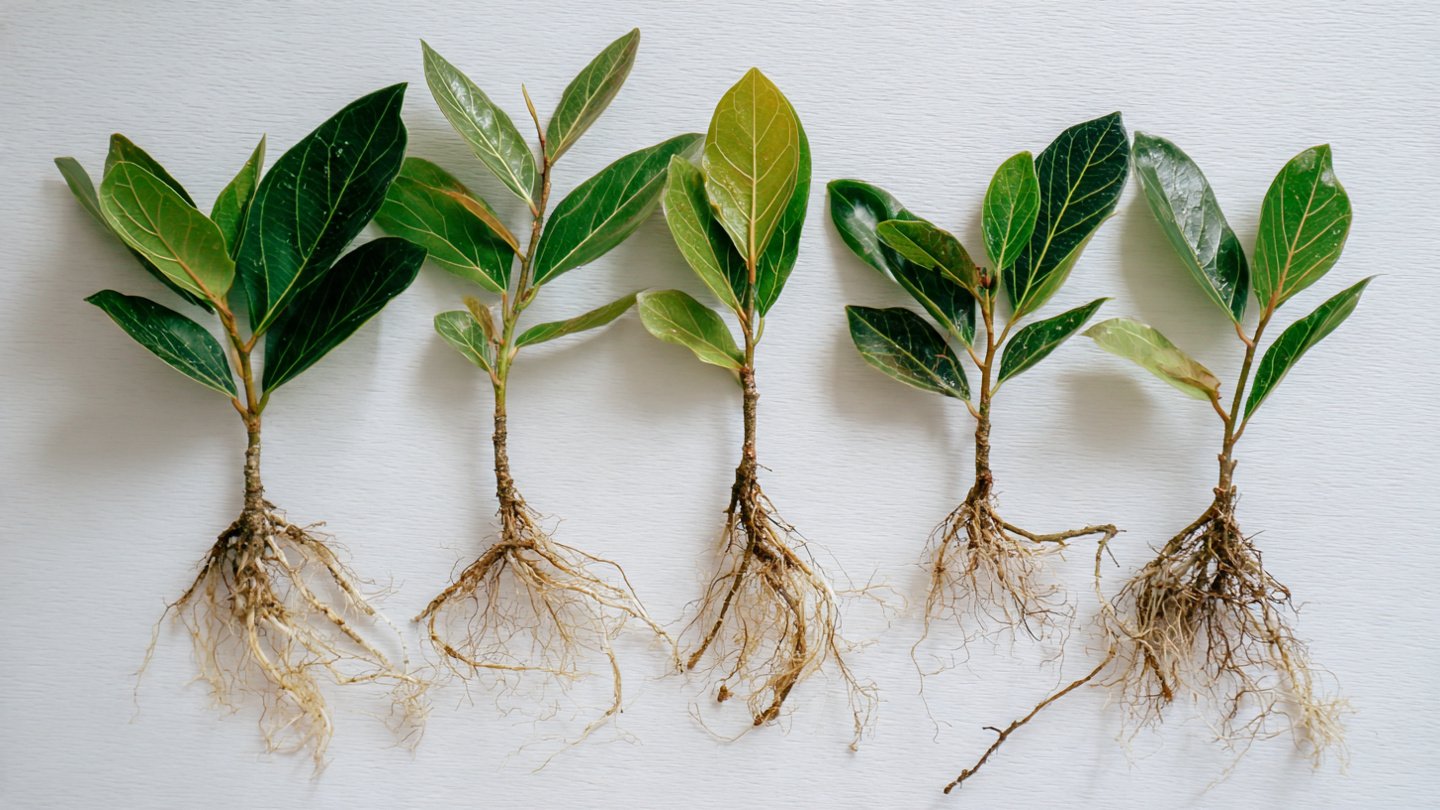
Rooting Ficus stem cuttings at home is a rewarding process that allows plant enthusiasts to propagate their favorite varieties, expand their green collection, or share with friends. As a diverse genus comprising over 800 species, Ficus varieties such as the popular Ficus elastica (rubber plant) and Ficus benjamina (weeping fig) are well-loved for their ornamental appeal and ease of care. This article will explore effective strategies for successfully rooting Ficus stem cuttings at home, with an emphasis on techniques, timing, and care methods, followed by a comprehensive FAQ section.
Understanding Ficus Propagation
The Basics of Stem Cuttings
Latest Posts
- Easy Steps to Successfully Grow Bhindi in Grow Bags at Home
- Easy Steps to Grow a Healthy Guava Bonsai at Home for Beginners
- How to Successfully Grow and Cultivate White Strawberry Plants at Home for Delicious and Unique Fruits
- Ultimate Guide to Successfully Growing Weeping Fig Outdoors with Proven Techniques and Expert Tips
- How to Successfully Grow Flemish Beauty Pear Trees in Canada for Optimal Harvest
- Easy Hack to Grow Strawberries Year Round in Your Home Garden for Delicious Harvests
- Growing Flemish Beauty Pears in Canada A Complete Guide for Local Gardens
- The Ultimate Guide to Growing Hibiscus Plants Year Round for Vibrant Blooms and Healthy Foliage
- Easy Ways to Boost the Growth Rate of Your Indoor Peace Lily for Lush Green Foliage
- How to Successfully Grow Oak Leaf Lettuce in Your Home Garden for Fresh and Flavorful Salads
Stem cuttings are segments of a plant that, when placed in a suitable medium, can develop roots and grow into a new plant. Ficus cuttings are particularly amenable to this form of propagation. Rooting stem cuttings involves a combination of environmental conditions, such as light, moisture, and temperature, to stimulate root growth.
Timing for Taking Cuttings
The best time to take cuttings is during the growing season, which typically spans from spring to early summer. This is when the plant is most vigorous and capable of producing roots more efficiently. Choosing healthy stems with good vigor is essential, as weak or diseased cuttings are less likely to root successfully.
Steps for Rooting Ficus Stem Cuttings
1. Preparing Your Materials
Before you start the process, gather all necessary materials to ensure a smooth experience:
- Tools: A pair of sharp pruning shears or a knife (sterilized with rubbing alcohol), a small pot, and a propagation tray (optional).
- Medium: A well-draining medium such as perlite, vermiculite, or a mix of potting soil and sand.
- Rooting Hormone: While not strictly necessary, using rooting hormone can enhance root growth. It’s available in powder, gel, or liquid forms.

2. Taking the Cuttings
- Select Stems: Look for stems that are healthy and free from pests or disease. Aim for cuttings that are 4 to 6 inches long, with at least two or three leaves.
- Make a Clean Cut: Using sterilized tools, cut just below a leaf node (the area where a leaf attaches to the stem). A clean angle cut enhances the surface area for rooting.
3. Preparing the Cuttings
- Remove Excess Leaves: Trim the leaves down to a manageable size, leaving only a couple of leaves on each cutting. This reduces water loss and encourages root development.
- Apply Rooting Hormone: Dip the cut end of the cutting into the rooting hormone, tapping off any excess. This step is especially useful for encouraging faster root growth.
4. Planting the Cuttings
- Choose the Right Container: Use pots with drainage holes to prevent waterlogging. Fill the pot with your chosen medium, ensuring it’s moist but not soggy.
- Insert Cuttings: Gently poke a hole in the medium with your finger or a stick, and then insert the cutting into the hole, ensuring that at least one node is buried.
- Water Gently: After planting, water the cuttings lightly to ensure good contact between the cutting and the medium.

5. Creating an Ideal Environment
To maximize your success:
- Humidity: Ficus cuttings thrive in humid conditions. Cover the pot with a plastic bag or a clear plastic dome to retain moisture. Make sure to create a few holes for ventilation to prevent mold growth.
- Light: Place the cuttings in a bright location with indirect sunlight. Too much direct light can scorch the leaves while too little can hinder root growth.
- Temperature: Maintain a warm environment, ideally between 70°F to 80°F (21°C to 27°C). Avoid placing the cuttings in drafty areas or near heat sources.
6. Care and Maintenance
Watering
Keep the medium consistently moist but not soggy. Check for moisture regularly and water gently when necessary. Overwatering can lead to rot, while underwatering can dry out the cuttings.
Ventilation
If you’ve covered the cuttings with plastic, remove the cover every few days for a short period to provide fresh air. This helps prevent fungal growth and allows the cutting to acclimate to ambient humidity.

7. Monitoring Progress
- Root Development: After about 4-6 weeks, gently tug on the cuttings. If you feel resistance, roots have started to form.
- Transplanting: Once roots are well established (around 2-4 inches long), you can transplant the young plants into larger pots with suitable potting soil.
Additional Tips for Success
- Avoiding Issues: Regularly check the cuttings for pests or mold. If you notice any problems, remove affected cuttings immediately.
- Disease Management: Use sterilized tools and pots whenever you are propagating to minimize disease spread.
- Support for Tall Cuttings: If rooting taller cuttings, you might want to use a support stick for stability while the roots develop.
Troubleshooting Common Issues
Stunted Growth
If your cuttings are not growing, check for:
- Insufficient Light: Move the cuttings to a brighter spot, but avoid direct sunlight.
- Poor Drainage: Ensure your pot has adequate drainage to prevent waterlogging.

Yellowing Leaves
This could indicate overwatering or root rot. Allow the medium to dry out before watering again. Remove any cuttings that show significant signs of rot.
Moldy Surface
If mold appears on the soil surface, reduce humidity by increasing ventilation and adjusting watering practices.
FAQs About Rooting Ficus Stem Cuttings
1. How long does it take for Ficus cuttings to root?
Typically, Ficus cuttings take about 4 to 6 weeks to develop roots, depending on environmental conditions.
2. Do I need to use rooting hormone?
While not necessary, rooting hormone can help speed up the rooting process and increase the success rate.
3. Can I root Ficus cuttings in water?

Yes, Ficus cuttings can be rooted in water, but this method may take longer and is usually less reliable than soil propagation.
4. What is the best time of year for taking cuttings?
Spring to early summer is ideal, as the plant is actively growing during this time.
5. How do I know when it’s time to transplant my rooted cuttings?
Once roots are about 2-4 inches long, the cuttings can be transplanted into larger pots with appropriate potting soil.
6. What should I do if my cuttings start to rot?
If your cuttings show signs of rot, remove them immediately and check the remaining cuttings for moisture levels and drainage issues.
Conclusion
Successfully rooting Ficus stem cuttings at home is a fulfilling endeavor that not only enriches your plant collection but also deepens your understanding of plant propagation. By following the strategies outlined in this article and addressing common issues, you can enhance your chances of achieving thriving new plants from your beloved Ficus. Embrace the joy of gardening and enjoy the process of nurturing your new green companions!