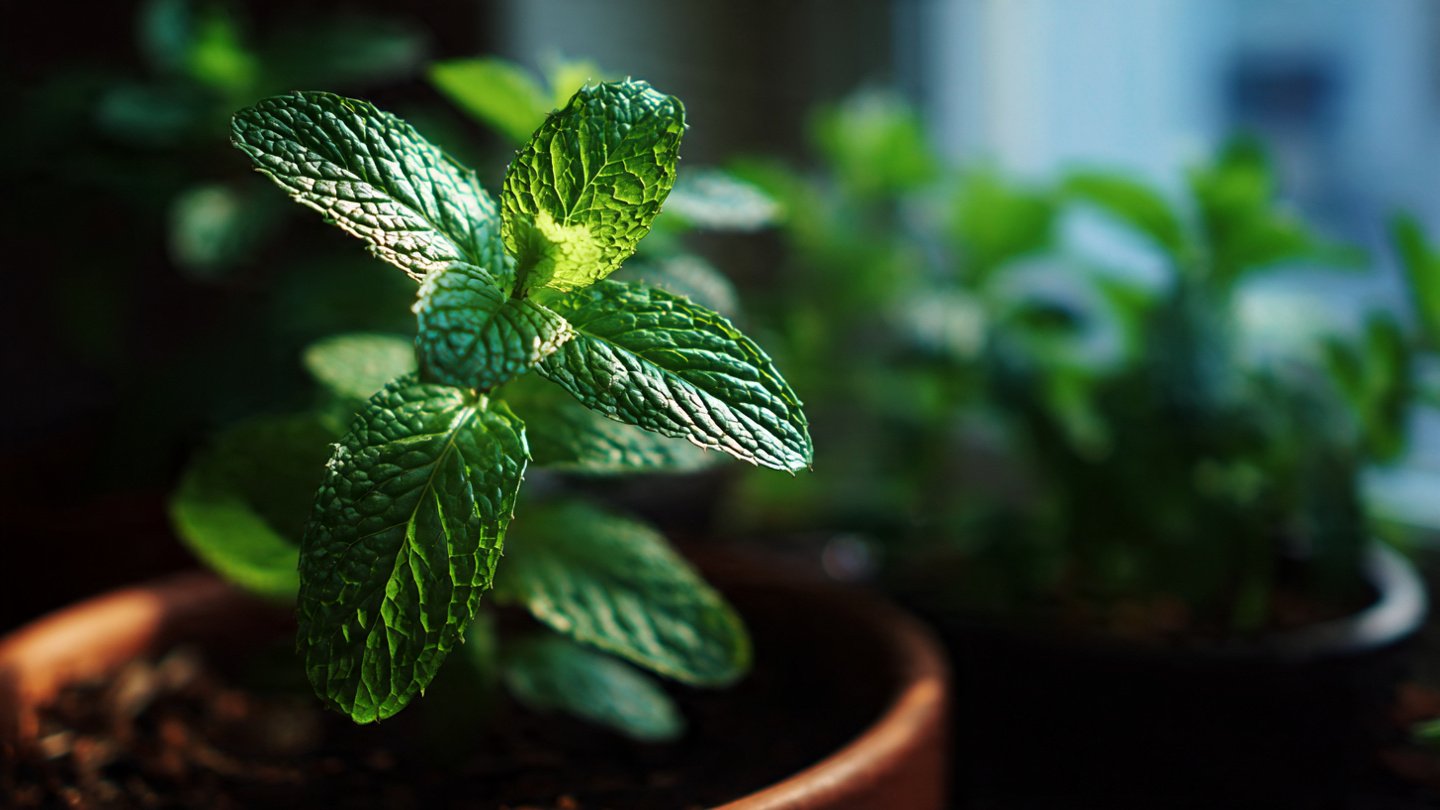
Spearmint (Mentha spicata) is a fragrant herb known for its bright green leaves and refreshing aroma. It’s commonly used in cooking, beverages, and even in personal care products. For beginners looking to cultivate their own herb garden, spearmint is a perfect choice due to its easy growth and adaptability. This guide covers everything you need to know about growing spearmint at home, from planting to harvesting, and includes a FAQs section to address common concerns.
1. Understanding Spearmint
Spearmint is a perennial herb that thrives in temperate climates. It can grow up to 2 feet tall and spreads quickly, making it a great addition to gardens and containers. Known for its cooling flavor, spearmint is used in mint tea, salads, sauces, and desserts. Moreover, it has health benefits, such as aiding digestion and relieving headaches.
Latest Posts
- Easy Steps to Successfully Grow Bhindi in Grow Bags at Home
- Easy Steps to Grow a Healthy Guava Bonsai at Home for Beginners
- How to Successfully Grow and Cultivate White Strawberry Plants at Home for Delicious and Unique Fruits
- Ultimate Guide to Successfully Growing Weeping Fig Outdoors with Proven Techniques and Expert Tips
- How to Successfully Grow Flemish Beauty Pear Trees in Canada for Optimal Harvest
- Easy Hack to Grow Strawberries Year Round in Your Home Garden for Delicious Harvests
- Growing Flemish Beauty Pears in Canada A Complete Guide for Local Gardens
- The Ultimate Guide to Growing Hibiscus Plants Year Round for Vibrant Blooms and Healthy Foliage
- Easy Ways to Boost the Growth Rate of Your Indoor Peace Lily for Lush Green Foliage
- How to Successfully Grow Oak Leaf Lettuce in Your Home Garden for Fresh and Flavorful Salads
1.1 Types of Spearmint
There are a few varieties of spearmint, including:
- Common Spearmint (Mentha spicata): Most widely recognized, often used in culinary dishes.
- Moroccan Mint: Often used in traditional Moroccan tea.
- Peppermint (Mentha × piperita): While technically a hybrid of spearmint and watermint, it offers a stronger flavor.
1.2 Benefits of Growing Your Own Spearmint
- Freshness: You can enjoy the freshest mint without any preservatives.
- Cost-Effective: Growing your own herbs can save money on purchasing from the store.
- Convenience: Having mint at your fingertips is great for cooking and garnishing drinks.
- Sustainability: Growing herbs at home reduces the need for plastic packaging.
2. Selecting the Right Location
When deciding where to grow spearmint, consider the following factors:
2.1 Light Requirements
Spearmint thrives in full sunlight but can also tolerate partial shade. Aim for at least 4-6 hours of sunlight daily. If your garden has intense afternoon sun, providing some shade can prevent the leaves from wilting.
2.2 Soil Quality
Spearmint prefers well-drained, loamy soil rich in organic matter. A pH level of 6.0 to 7.0 is ideal. You can enhance your soil by mixing in compost or well-rotted manure.
2.3 Space Considerations
Spearmint is invasive, meaning it may spread quickly. To prevent it from overtaking your garden, consider growing it in a container or raised bed with barriers.
3. Propagating Spearmint
You can propagate spearmint through seeds, cuttings, or divisions. Here’s how:
3.1 From Seeds
- Timing: Start seeds indoors 8-10 weeks before the last frost or sow outdoors after the danger of frost passes.
- Sowing: Scatter seeds on the soil surface and lightly cover them. Water gently.
- Germination: Seeds should sprout within 10-14 days.
3.2 From Cuttings
- Select a Cutting: Choose a healthy stem from an existing plant.
- Cut: Use sharp scissors to cut a 4-6 inch section.
- Place in Water: Put the cutting in a jar of water in indirect sunlight. Roots will develop in 1-2 weeks.
- Transplant: Once roots are well established, transfer to soil.

3.3 From Divisions
- Timing: Best done in spring or fall.
- Digging: Carefully dig up an established plant.
- Divide: Split the root ball into sections that have roots and stems.
- Replant: Space them appropriately in your garden.
4. Planting Spearmint
Once you have your seeds, cuttings, or divisions ready, it’s time to plant!
4.1 Choosing the Container or Garden Bed
If using a container, ensure it has good drainage holes. A pot that is at least 12 inches deep will work well.
4.2 Planting
- Fill the Container: Use a potting mix or well-draining soil.
- Plant: If using cuttings or divisions, bury them to the soil line. For seeds, sow according to the instructions on the packet.
- Water: Water thoroughly after planting.
5. Caring for Spearmint
Proper care will ensure healthy spearmint plants.
5.1 Watering

Keep the soil consistently moist but not soggy. Watering once a week is generally sufficient, but during hot spells, you may need to water more frequently.
5.2 Fertilizing
Fertilize sparingly, as mint doesn’t require excessive nutrients. A balanced, all-purpose fertilizer applied once every month in the growing season will suffice.
5.3 Pruning
Regularly trim back the plant to encourage bushiness and prevent it from going to seed. You can cut leaves or stems as needed, ensuring you leave enough foliage for growth.
6. Pest and Disease Management
While spearmint is generally hardy, it can be susceptible to pests and diseases.
6.1 Common Pests
- Aphids: Small insects that can cluster on leaves. Spray with a mixture of water and mild soap.
- Spider Mites: These tiny pests can cause leaf discoloration. Increase humidity or rinse the plant with water.
6.2 Diseases
- Powdery Mildew: A fungal disease that appears as white powder. Ensure good air circulation and avoid overhead watering.
- Root Rot: Caused by overwatering; ensure soil drains well.
7. Harvesting Spearmint
You can begin harvesting spearmint when the plant is established (about 2-3 months after planting).

7.1 Best Time to Harvest
- Morning: Harvest in the morning after dew has dried for the best flavor.
- Leaves: Snip the top one-third of the plant for fresh use, promoting further growth.
7.2 Drying Spearmint
If you want to store mint for later use, drying is a great option.
- Harvest: Cut stems, bundling them together.
- Hang: Tie the stems and hang them upside down in a dark, dry place.
- Storage: Once dried, store leaves in an airtight container away from sunlight.
8. Using Spearmint
Fresh or dried, spearmint can enhance various dishes:
- Teas: Brew fresh or dried spearmint for a refreshing drink.
- Salads: Add leaves for a fresh flavor.
- Desserts: Use in smoothies and desserts for a cooling effect.
- Garnishing: Use mint leaves to garnish cocktails and other dishes.
9. FAQs
9.1 Can spearmint be grown indoors?
Yes! Spearmint can thrive indoors near a sunny window. Ensure adequate drainage, and keep soil moist but not soggy.

9.2 How often should I water my spearmint?
Water once a week, ensuring the soil maintains consistent moisture. More frequent watering may be needed during hot weather.
9.3 Can I grow spearmint from store-bought mint?
Yes, you can propagate spearmint from a bunch of fresh mint purchased at the store. Follow the steps for cuttings mentioned earlier.
9.4 Is spearmint invasive?
Spearmint can spread quickly and become invasive in a garden setting. Consider growing it in containers or designated garden beds.
9.5 How long does it take for spearmint to grow?
From seeds, spearmint typically takes 2-3 months to establish. Cuttings and divisions may take less time.
9.6 Can I use spearmint leaves immediately after harvesting?
Yes, fresh spearmint leaves can be used immediately. Rinse them and incorporate them into your dishes or drinks.
9.7 What is the best way to store mint?
For fresh mint, wrap in a damp paper towel and place in a plastic bag in the refrigerator. Dried mint should be stored in an airtight container in a cool, dark place.
Growing spearmint at home can be a rewarding and fulfilling experience. Not only will you enjoy fresh flavors in your cooking, but you’ll also appreciate the beauty and fragrance of this lovely herb in your garden. With proper care and attention, spearmint can thrive, offering you a bounty of leaves for all your culinary adventures. Happy gardening!