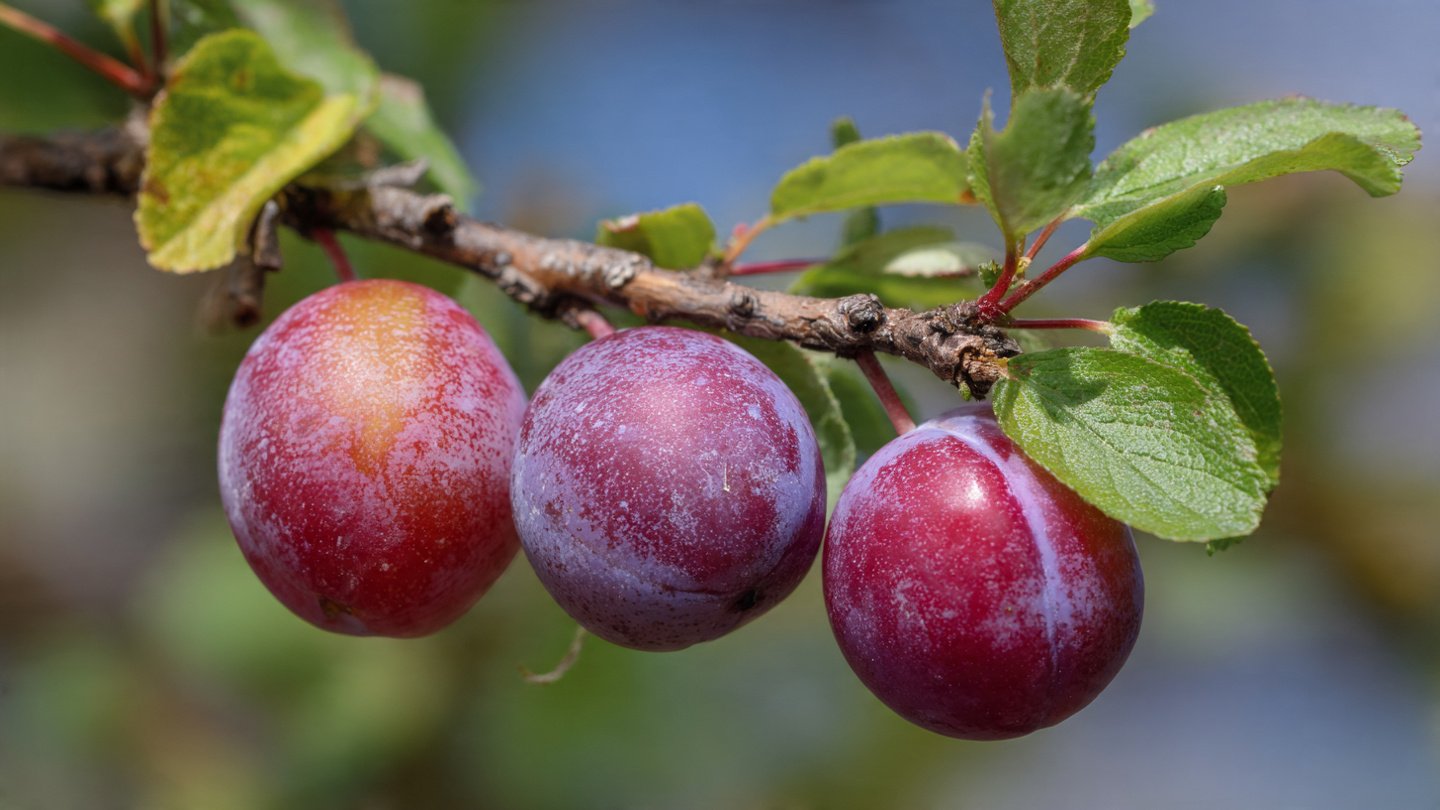
Wild plum trees are a delightful addition to any home garden, especially in Canada, where they thrive in various climates and offer not just aesthetic beauty but also delicious fruit. This guide will provide you with everything you need to know about successfully cultivating wild plum trees in your backyard, from choosing the right variety to harvesting and maintaining them.
Understanding Wild Plum Trees
What Are Wild Plum Trees?
Latest Posts
- Easy Steps to Successfully Grow Bhindi in Grow Bags at Home
- Easy Steps to Grow a Healthy Guava Bonsai at Home for Beginners
- How to Successfully Grow and Cultivate White Strawberry Plants at Home for Delicious and Unique Fruits
- Ultimate Guide to Successfully Growing Weeping Fig Outdoors with Proven Techniques and Expert Tips
- How to Successfully Grow Flemish Beauty Pear Trees in Canada for Optimal Harvest
- Easy Hack to Grow Strawberries Year Round in Your Home Garden for Delicious Harvests
- Growing Flemish Beauty Pears in Canada A Complete Guide for Local Gardens
- The Ultimate Guide to Growing Hibiscus Plants Year Round for Vibrant Blooms and Healthy Foliage
- Easy Ways to Boost the Growth Rate of Your Indoor Peace Lily for Lush Green Foliage
- How to Successfully Grow Oak Leaf Lettuce in Your Home Garden for Fresh and Flavorful Salads
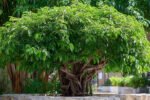
Wild plum trees (Prunus americana) are native across North America and are known for their hardiness and adaptability. These deciduous trees can grow up to 20-30 feet tall and can spread up to 25 feet wide. They produce small, sweet, and tart plums, usually ripening in late summer to early fall, depending on the climate and variety.
Varieties Suited for Canada
When selecting wild plum trees for cultivation, it’s essential to consider varieties that perform well in Canadian climates. Some recommended varieties include:
- American Wild Plum (Prunus americana): This is the most common wild plum variety and is well-suited for many regions across Canada.
- Canadian Plum (Prunus nigra): This species is more cold-hardy and performs well in the northern regions of Canada.
- Beach Plum (Prunus maritima): While typically found along coastlines, this variety can also thrive in select inland areas, providing sweet fruits.
Site Selection and Preparation
Choosing the Right Location
Wild plums require well-drained soil and full sunlight to thrive. Ideal sites receive at least 6-8 hours of direct sunlight daily. They generally prefer loamy, sandy soils but can adapt to clay soils with proper care.
Soil Testing
Before planting, it’s advisable to conduct a soil test to check pH and nutrient levels. Wild plums prefer slightly acidic to neutral pH (6.0 to 7.0). This information helps in making necessary amendments to encourage healthy growth.
Soil Preparation
-
Clearing the Area: Remove any grass, weeds, or debris from the planting site to reduce competition for nutrients and water.
-
Amending the Soil: Incorporate organic matter such as compost or well-rotted manure to improve nutrient content and drainage. If your soil test indicates a pH imbalance, consider adding lime to raise pH or sulfur to lower it.
Planting Wild Plum Trees
When to Plant
The best time to plant your wild plum trees is in early spring or late fall when the tree is dormant. This timing allows the root system to establish before the growing season begins.
How to Plant
-
Digging the Hole: Select a hole that is twice as wide as the root ball and equally deep. This allows the roots to spread easily.
-
Placing the Tree: Position the tree in the hole, ensuring that the root crown (where roots meet the trunk) is level with the soil surface.
-
Backfilling: Fill the hole with the native soil or amended soil, gently firming it around the roots to eliminate air pockets.
-
Watering: Water thoroughly after planting to help settle the soil and provide moisture to the roots.
-
Mulching: Apply a layer of organic mulch around the base of the tree to retain moisture, regulate temperature, and suppress weeds.
Care and Maintenance
Watering
Young wild plum trees need regular watering, especially during dry periods. The soil should remain moist but not waterlogged. Once established, the trees become more drought-tolerant.
Fertilizing
Wild plum trees generally require less fertilizer than other fruit trees. If your soil test indicates low nutrient levels, you can apply a balanced, slow-release fertilizer in early spring. Avoid over-fertilizing, as this can lead to excessive leafy growth at the expense of fruit production.
Pruning
Pruning is essential for maintaining a healthy structure and encouraging fruit production.
-
Timing: The best time to prune is in late winter or early spring before the buds break.
-
Technique: Remove dead or diseased wood, crossing branches, and any suckers from the base. Aim to create an open canopy that allows sunlight to penetrate.
Pest and Disease Management
Wild plums are relatively disease-resistant but can be susceptible to pests such as aphids, Japanese beetles, and plum curculio.
- Aphids: Treat with insecticidal soap if populations are high.
- Japanese Beetles: Hand-picking or traps are effective in controlling infestations.
- Plum Curculio: Remove fallen fruit and implement organic insecticides if necessary.
Harvesting
When to Harvest
Wild plums are typically ready to harvest from late summer to early fall, depending on the variety and local climate. The fruits should be firm but slightly soft to the touch and full of color.
How to Harvest
Gently twist and pull the plums from the tree. Avoid yanking them off, as this can damage the branches.
Storing and Using Fruits
Freshly harvested plums can be stored in a cool, dry place for up to a week. For longer storage:
-
Freezing: Wash, pit, and slice the plums before freezing them in airtight containers.
-
Making Preserves: Wild plums are excellent for making jams and jellies, combining well with sugar, pectin, and other fruit.
Tips for Success
- Polyculture Planting: Consider planting more than one variety of wild plum trees to enhance cross-pollination and fruit yield.
- Patience is Key: Wild plum trees often take a few years before they bear fruit, so patience is essential.
- Observe Local Climate: Keep an eye on local weather patterns, as sudden frosts can harm blossoms and emerging fruits.
FAQs
1. How long does it take for wild plum trees to bear fruit?
Wild plum trees typically begin to produce fruit within 3 to 5 years after planting, depending on the variety and growing conditions.
2. Can wild plum trees grow in containers?
While it’s possible to grow wild plum trees in containers, they require larger pots (15 gallons or more) to accommodate their root systems. Ensure good drainage and regular watering.
3. What is the best way to protect my wild plum trees from frost?
To protect young trees from frost, cover them with frost cloth or burlap on cold nights. If possible, move potted trees indoors during unexpected cold spells.
4. Are wild plum trees resistant to pests and diseases?
While they are relatively hardy, wild plum trees can be susceptible to some pests such as aphids and plum curculio. Preventative measures and timely interventions can help.
5. How often should I water my wild plum trees?
During the first few years, young trees should be watered regularly, especially in dry spells. Once established, they become more drought-resistant and may require less frequent watering.
6. Do wild plum trees require a certain companion plant for pollination?
Most wild plum varieties are self-pollinating but benefit from the presence of another variety nearby for improved fruit set and yield.
7. Can I eat the fruit directly from the tree?
Yes! Wild plums can be eaten fresh off the tree. However, be aware that some may be tart and require sweetening or cooking for recipes.
Conclusion
Cultivating wild plum trees in Canada can be a rewarding experience, providing both beauty and delicious fruit for years to come. By selecting the right varieties, preparing the soil, and maintaining proper care, home gardeners can enjoy the fruitful benefits of these hardy trees. Happy gardening!