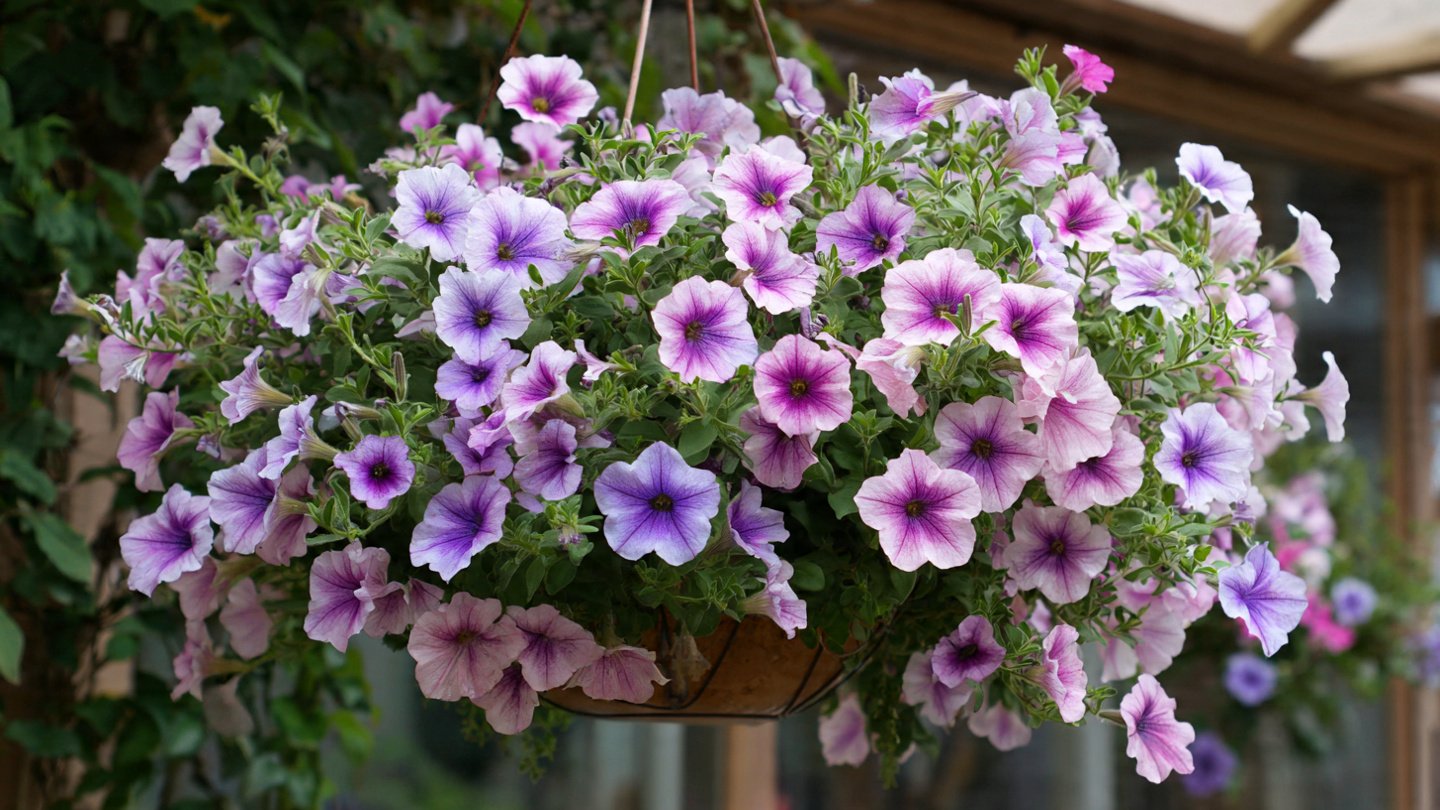
Petunias are one of the most popular flowering plants for hanging baskets, thanks to their vibrant colors and persistent bloom. With the right care, petunias can transform any space into a visual delight. Growing petunia hanging baskets from seeds is not only rewarding but also a cost-effective way to brighten up your garden or home. In this comprehensive guide, we will cover how to grow petunias from seeds, their care requirements, and some common FAQs.
Understanding Petunias
Petunias belong to the Solanaceae family, which includes tomatoes and potatoes. They are available in various types, including grandiflora (large-flowered), multiflora (more flowers per plant), and trailing varieties (ideal for hanging baskets). While these flowers are native to South America, they have become a staple in gardens around the world.
Choosing the Right Petunia Variety
Before you start planting, it’s essential to choose the right variety for your hanging baskets.
- Grandiflora: Ideal for larger baskets due to their showy blooms.
- Multiflora: More compact and robust, these varieties produce more flowers but are generally smaller.
- Trailing/Surfinia: Perfect for cascading over the sides of baskets, these varieties help create a flowing look.
Supplies Needed
To successfully grow petunia hanging baskets from seeds, you will need the following supplies:

- Seeds: Choose high-quality petunia seeds.
- Seed-Starting Mix: A lightweight and well-draining mix.
- Containers: Seed trays or small pots with drainage holes.
- Watering Can or Spray Bottle: To gently water your seeds.
- Plastic Wrap or Dome: To create a greenhouse effect while germinating.
- Fertilizer: A balanced liquid fertilizer for feeding after germination.
- Hanging Baskets: Once seedlings are strong enough.
Steps to Grow Petunia Hanging Baskets from Seeds
Step 1: Planting Seeds
- Timing: Start seeds indoors about 8 to 10 weeks before the last frost date in your area. This will give seedlings plenty of time to grow before moving outside.
- Fill Containers: Fill seed trays or pots with the seed-starting mix. Ensure the mix is moist but not soggy.
- Sowing Seeds: Sprinkle the seeds over the soil surface. Petunia seeds need light to germinate, so avoid covering them with soil.
- Moisture: Gently mist the surface with water using a spray bottle to ensure it is evenly moist.
- Humidity: To maintain humidity, cover the trays with plastic wrap or a clear plastic dome. This will help keep the moisture level consistent.
Step 2: Germination
- Warmth: Place the containers in a warm area where temperatures are maintained between 70°F to 75°F (21°C to 24°C).
- Light: Once seedlings emerge (usually within 7 to 14 days), remove the cover and move them to a location with bright, indirect light. If natural light is limited, consider using grow lights.
- Watering: Keep the seed-starting mix moist but avoid overwatering. The mix should feel damp but not saturated.
Step 3: Transplanting Seedlings
- Thinning: Once your seedlings develop two sets of true leaves, it may be necessary to thin them. This means removing weaker seedlings to make room for stronger ones. You can do this by cutting the weak seedlings at the soil level with scissors to avoid disturbing the roots of stronger plants.
- Transplanting: When seedlings are around 3 to 4 inches tall and have developed several true leaves, they can be transplanted into larger pots or hanging baskets.
- Soil and Spacing: Use a high-quality potting mix when transplanting. Space the seedlings about 6 to 12 inches apart, depending on the petunia type.
Step 4: Caring for Petunia Hanging Baskets
- Light: Petunias thrive in full sun, so ensure your hanging baskets receive at least 6 to 8 hours of sunlight per day.
- Watering: Hanging baskets can dry out quickly due to their exposure to wind and sunlight. Water them when the top inch of soil feels dry. Consistent watering is vital to prevent wilting or root rot.
- Fertilization: Begin fertilizing with a balanced liquid fertilizer every two weeks once you notice the plants are growing well. This will encourage healthy growth and abundant blooming.
- Deadheading: Regularly remove spent blooms to encourage new flower production. This will keep your hanging basket looking lush and vibrant.
- Pest Control: Keep an eye out for pests such as aphids or spider mites. If detected, treat them promptly with insecticidal soap or neem oil.
Step 5: Moving Outdoors
Once the threat of frost has passed, you can move your petunia hanging baskets outdoors. Here are some tips for acclimating them:
Latest Posts
- Easy Steps to Successfully Grow Bhindi in Grow Bags at Home
- Easy Steps to Grow a Healthy Guava Bonsai at Home for Beginners
- How to Successfully Grow and Cultivate White Strawberry Plants at Home for Delicious and Unique Fruits
- Ultimate Guide to Successfully Growing Weeping Fig Outdoors with Proven Techniques and Expert Tips
- How to Successfully Grow Flemish Beauty Pear Trees in Canada for Optimal Harvest
- Easy Hack to Grow Strawberries Year Round in Your Home Garden for Delicious Harvests
- Growing Flemish Beauty Pears in Canada A Complete Guide for Local Gardens
- The Ultimate Guide to Growing Hibiscus Plants Year Round for Vibrant Blooms and Healthy Foliage
- Easy Ways to Boost the Growth Rate of Your Indoor Peace Lily for Lush Green Foliage
- How to Successfully Grow Oak Leaf Lettuce in Your Home Garden for Fresh and Flavorful Salads
- Hardening Off: Gradually expose your seedlings to outdoor conditions over a week. Start with a few hours of shade and gradually increase their sun exposure.
- Placement: Choose a designated spot where the baskets will thrive, ideally where they will receive ample sunlight throughout the day.
- Final Planting: If your seedlings are crowded in the pots, you can transplant them into larger baskets or into garden beds, depending on your preferences.
Troubleshooting Common Issues
Despite best efforts, gardeners often face challenges. Here are some common issues and their solutions:
- Yellowing Leaves: This could indicate overwatering or nutrient deficiency. Check your watering routine and consider fertilizing.
- Wilting Plants: If the plants wilt, they likely need more water. In hot weather, daily watering may be necessary.
- Poor Flowering: Ensure they have enough sunlight and are receiving adequate nutrients. Also, check for crowding which can inhibit growth.
- Pests: Keep a lookout for pests that can affect your petunias. Regularly inspect the undersides of leaves and stems.
FAQs: Growing Petunia Hanging Baskets
Q1: Can I grow petunias from cuttings?
Yes, petunias can be propagated from cuttings. In the spring, take softwood cuttings of healthy petunias and root them in moist potting soil.
Q2: How often should I water my petunia hanging baskets?
Water your baskets frequently during hot weather. Check the soil daily; if the top inch feels dry, it’s time to water.
Q3: Is it necessary to deadhead petunias?
While not strictly necessary, deadheading spent flowers promotes new blooms and can result in a fuller, more attractive display.

Q4: Can petunias tolerate shade?
Petunias prefer full sun but can tolerate light shade. However, flowering may be reduced in low-light conditions.
Q5: What can I do if my petunias aren’t blooming?
Ensure they are getting enough sunlight and nutrients. Also, make sure they are properly watered.

Q6: When should I start petunia seeds indoors?
Start seeds indoors 8 to 10 weeks before the last expected frost date for your area.
Q7: Are there any diseases I should watch out for?
Common diseases include powdery mildew and root rot. Good airflow and proper watering practices can help prevent these issues.

Conclusion
Growing petunia hanging baskets from seeds is a fulfilling endeavor that rewards you with stunning blooms throughout the summer. With proper planning, care, and attention, you can create a beautiful display that not only brightens your space but also fills you with a sense of accomplishment. Whether you choose vibrant colors or subtle hues, petunias have the power to transform any garden into a floral paradise. Happy gardening!