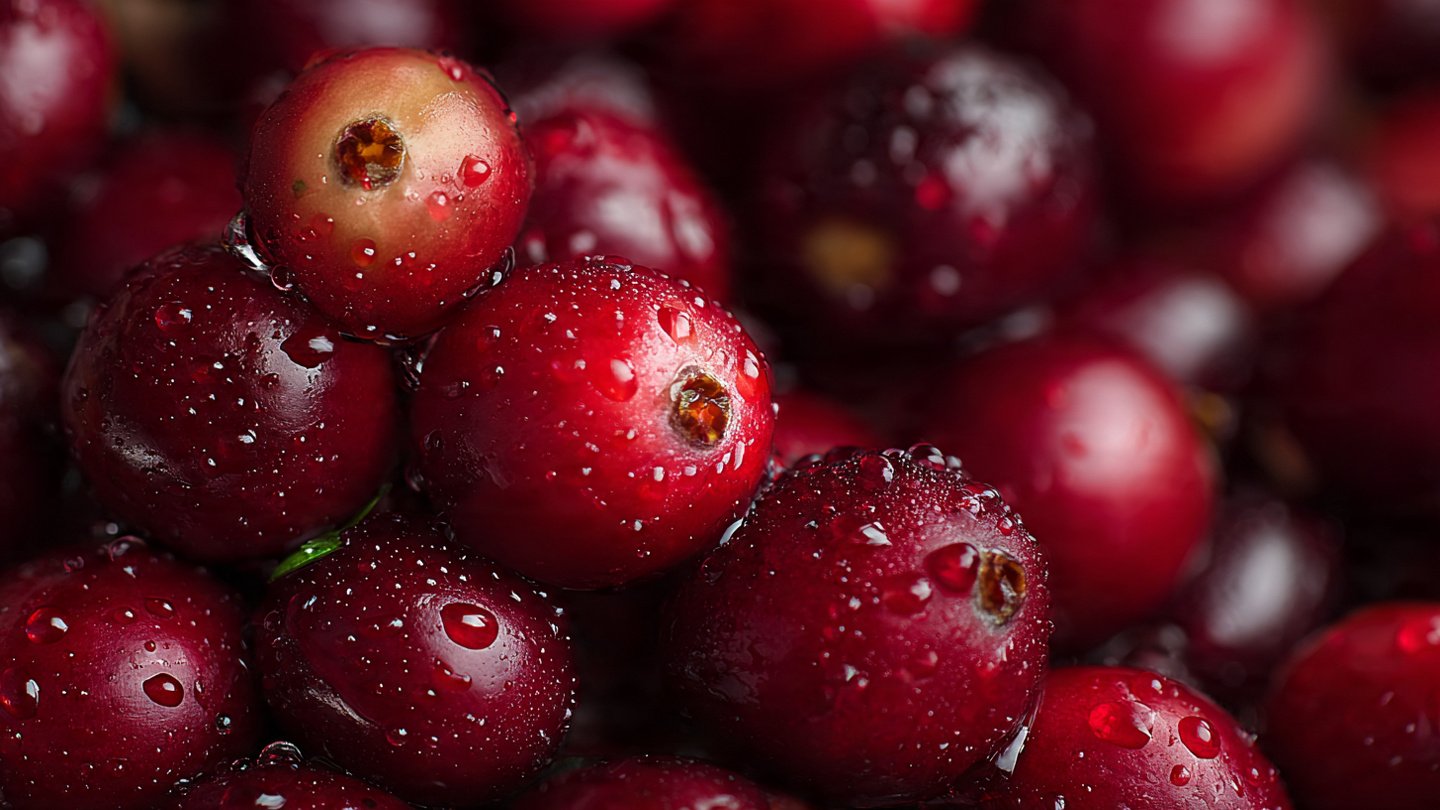
American cranberries (Vaccinium macrocarpon) are not only a staple for Thanksgiving dinners but also a rewarding crop to grow in your backyard. With the right conditions, care, and techniques, cultivating this tart berry can be both fulfilling and fun. This article will provide in-depth guidance on how to successfully grow American cranberries at home, from selecting the right soil to harvesting your berries.
1. Understanding American Cranberries
Cranberries are native to North America and thrive in specific climatic conditions. These hardy plants produce small, red berries prized for their flavor and health benefits. They require acidic soil and thrive in cooler climates, making them perfect for regions with well-defined seasons.
Latest Posts
- Easy Steps to Successfully Grow Bhindi in Grow Bags at Home
- Easy Steps to Grow a Healthy Guava Bonsai at Home for Beginners
- How to Successfully Grow and Cultivate White Strawberry Plants at Home for Delicious and Unique Fruits
- Ultimate Guide to Successfully Growing Weeping Fig Outdoors with Proven Techniques and Expert Tips
- How to Successfully Grow Flemish Beauty Pear Trees in Canada for Optimal Harvest
- Easy Hack to Grow Strawberries Year Round in Your Home Garden for Delicious Harvests
- Growing Flemish Beauty Pears in Canada A Complete Guide for Local Gardens
- The Ultimate Guide to Growing Hibiscus Plants Year Round for Vibrant Blooms and Healthy Foliage
- Easy Ways to Boost the Growth Rate of Your Indoor Peace Lily for Lush Green Foliage
- How to Successfully Grow Oak Leaf Lettuce in Your Home Garden for Fresh and Flavorful Salads
1.1 Benefits of Growing Cranberries
- Freshness: Homegrown cranberries are fresher and more flavorful than store-bought ones.
- Nutritional Value: Cranberries are rich in vitamins C, A, E, and K, along with antioxidants.
- Versatility: They can be utilized in various dishes, from sauces and jams to salads and desserts.
2. Choosing the Right Location
2.1 Climate Considerations
Cranberries prefer cooler climates, ideally USDA plant hardiness zones 3 through 7. If your local climate gets too hot, consider providing some shade or growing them in containers that can be moved.
2.2 Sunlight Requirements
Select a location that receives at least 6-8 hours of full sunlight daily. The more sunlight the plants receive, the more fruit they will produce.
2.3 Soil Type and Preparation
Cranberries prefer acidic, sandy soil with a pH of 4.5 to 5.5. Here’s how to prepare your soil:
- Testing the Soil: Use a soil test kit to determine pH and nutrient levels. If necessary, amend the soil with sulfur or peat moss to lower pH.
- Drainage: Ensure proper drainage, as cranberries are susceptible to root rot. Raised beds or mounds can help improve drainage.
3. Planting Cranberries
3.1 Choosing Cranberry Plants
You can purchase young cranberry plants or start from seeds. While seeds can be more challenging, they offer a fun challenge for novice gardeners. However, it’s usually best to buy healthy, disease-free plants from a reputable nursery.
3.2 Planting Techniques
- Timing: The best time to plant cranberries is in early spring or fall when they are dormant.
- Spacing: Plant your cranberry bushes 3-4 feet apart to allow for sufficient growth.
- Depth: Dig holes wide enough for the root ball, with a depth that allows the top of the root ball to be level with the soil surface.
3.3 Watering After Planting
After planting, water the cranberry plants thoroughly. They require consistent moisture, but avoid waterlogging. Using mulch can help retain soil moisture.
4. Caring for Your Cranberry Plants
4.1 Watering
Cranberries need about 1-2 inches of water weekly. Drip irrigation systems are ideal because they minimize water contact with the leaves, reducing the risk of fungal diseases.
4.2 Fertilizing
Fertilize your plants with a balanced, slow-release fertilizer designed for acid-loving plants, such as azalea fertilizer. Follow recommended dosage instructions on the package, typically in early spring.
4.3 Pruning
Prune your cranberry plants annually, focusing on removing dead or diseased branches to promote airflow. This also encourages new growth, essential for fruit production.
4.4 Pest and Disease Management
Monitor your cranberry plants for pests, such as aphids and fruit worms. Organic insecticides or natural remedies like neem oil can help control infestations. Maintain good airflow to prevent diseases like root rot and powdery mildew.

5. Pollination
Cranberries are self-pollinating but can benefit from cross-pollination. Planting multiple varieties can help improve fruit yield. Attracting bees and other pollinators is essential for maximizing your cranberry harvest.
6. Harvesting Cranberries
6.1 Timing
Cranberries are typically ready for harvest from late September to October. The berries should be a deep red color. Test for ripeness by squeezing a berry; when ripe, it will bounce back.
6.2 Harvesting Techniques
Traditionally, cranberries are harvested using a water-based technique, but homeowners can do it by hand. Here are the steps:
- Gather Tools: Use scissors or clippers to readily collect the berries.
- Method: Gently twist and pull the berry from the stem, taking care not to damage the plant.
6.3 Post-Harvest Care
After harvesting, store cranberries in a cool, dry place. They can last for several weeks in the refrigerator or can be frozen for long-term storage.

7. Troubleshooting Common Issues
Growing cranberries can occasionally lead to challenges. Here are some common issues and solutions:
7.1 Poor Fruit Yield
- Cause: Lack of sunlight, nutrient deficiency, or improper water management.
- Solution: Ensure plants receive sufficient sunlight and maintain soil health with regular testing and amendments.
7.2 Leaf Discoloration
- Cause: Nutrient deficiencies or diseases.
- Solution: Monitor fertilization levels and inspect for signs of disease; treat accordingly.
8. FAQ Section
8.1 Can cranberries be grown in containers?
Yes, cranberries can be grown in containers, but make sure to use large pots with drainage holes. They still require acidic soil and adequate watering.

8.2 How long does it take to harvest cranberries after planting?
Cranberries typically take 2-3 years to start producing fruit after planting, but some may produce small yields in the first year.
8.3 How do I know when cranberries are ripe?
Cranberries are ripe when they turn a deep red color. You can also test the ripeness by squeezing; ripe berries will bounce back.
8.4 Do cranberries require a lot of maintenance?
Cranberries require regular watering, occasional fertilization, and annual pruning, but they are relatively low-maintenance compared to other fruit crops.
8.5 Can I grow cranberries in a greenhouse?
Yes, a greenhouse can provide the controlled conditions that cranberries need, especially in warmer areas where soil pH can be monitored more easily.
Conclusion
Successfully cultivating American cranberries in your backyard can be immensely rewarding. With proper planning, care, and attention to the specific needs of this plant, you can enjoy fresh cranberries and their many health benefits. Begin with the right location, soil, and plant care techniques, and engage in the joy of growing your own fruit. Whether for personal use or to impress guests with homemade cranberry sauce, your homegrown cranberries will undoubtedly enhance your culinary experiences. Happy gardening!