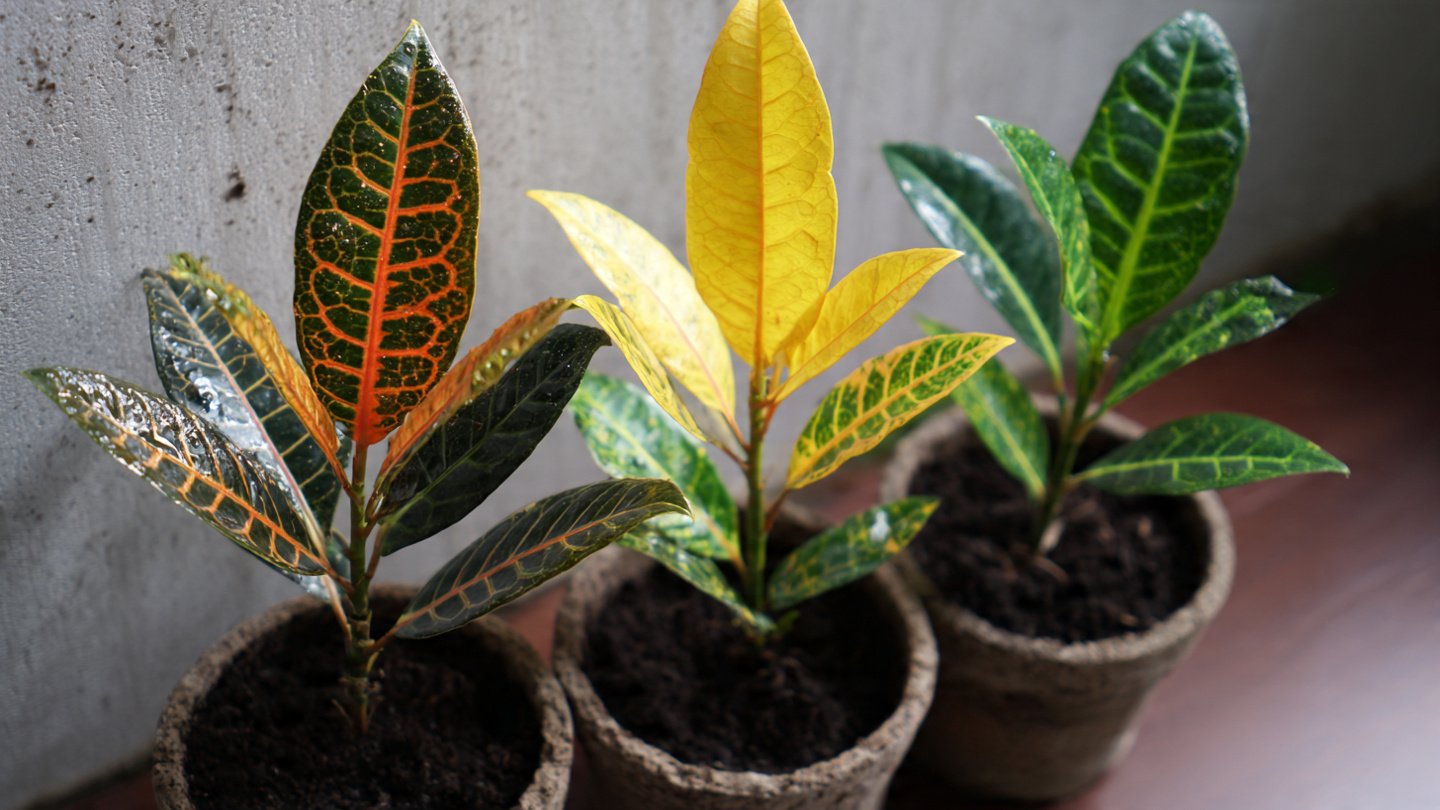
Croton plants, known for their vibrant foliage and stunning colors, are a popular choice among plant enthusiasts. Their thick, waxy leaves come in shades of green, yellow, orange, and even red, adding a tropical flair to any indoor or outdoor space. Growing Croton from stem cuttings is a straightforward and rewarding process that does not require specialized tools or skills. In this article, we’ll explore easy methods, tips, and frequently asked questions to help you grow Croton successfully.
Understanding Croton
Before we dive into the stem-cutting process, it’s essential to understand the plant itself. Croton, scientifically known as Codiaeum variegatum, is native to tropical regions of the Pacific islands and Southeast Asia. These plants thrive in bright, indirect light and prefer warmer temperatures. They can grow quite large, reaching heights of 3 to 10 feet, depending on the variety.
Latest Posts
- Easy Steps to Successfully Grow Bhindi in Grow Bags at Home
- Easy Steps to Grow a Healthy Guava Bonsai at Home for Beginners
- How to Successfully Grow and Cultivate White Strawberry Plants at Home for Delicious and Unique Fruits
- Ultimate Guide to Successfully Growing Weeping Fig Outdoors with Proven Techniques and Expert Tips
- How to Successfully Grow Flemish Beauty Pear Trees in Canada for Optimal Harvest
- Easy Hack to Grow Strawberries Year Round in Your Home Garden for Delicious Harvests
- Growing Flemish Beauty Pears in Canada A Complete Guide for Local Gardens
- The Ultimate Guide to Growing Hibiscus Plants Year Round for Vibrant Blooms and Healthy Foliage
- Easy Ways to Boost the Growth Rate of Your Indoor Peace Lily for Lush Green Foliage
- How to Successfully Grow Oak Leaf Lettuce in Your Home Garden for Fresh and Flavorful Salads
Prerequisites for Growing Croton from Stem Cuttings
-
Healthy Parent Plant: Ensure the parent Croton plant is healthy and free from pests. A robust plant will yield better cuttings.
-
Optimal Conditions: Crotons prefer a warm, humid environment. If you live in a cooler climate, consider using a greenhouse or a sunny windowsill.
-
Growing Medium: A well-draining potting mix is essential. You can use a mixture of potting soil, perlite, and vermiculite to ensure good drainage.
-
Containers: Basic pots or even recycled containers can be used for planting cuttings. Make sure they have drainage holes.

Step-by-Step Guide to Growing Croton from Stem Cuttings
Step 1: Taking the Cuttings
-
Select the Stem: Look for a healthy stem on the parent plant. Choose a stem that is at least 6 inches long and has a few leaves.
-
Make the Cut: Using clean, sharp scissors or garden shears, cut the stem at a 45-degree angle just below a node (the bump where leaves grow). This angle increases the surface area for root development.
-
Remove Excess Leaves: Trim most of the leaves from the cutting, leaving only two to four at the top. This reduces water loss and allows the plant to focus energy on root development.
Step 2: Preparing the Cuttings
-
Optional – Rooting Hormone: While not necessary, dipping the cut end of the stem in rooting hormone can enhance root growth. If you don’t have rooting hormone, don’t worry; many gardeners have successfully propagated without it.
-
Allow to Callus: Place the cuttings in a cool, dry area away from direct sunlight for a few hours or overnight. This will help the cut end to callus, reducing the chances of rot when planted.
Step 3: Planting the Cuttings

-
Fill a Pot: Use a small pot filled with the previously prepared potting mix. Compress the soil slightly to eliminate air pockets.
-
Plant the Cutting: Make a small hole in the potting mix with your finger or a stick. Insert the cut end of the stem into the hole and gently press the soil around it to stabilize the cutting.
-
Watering: Water the cutting lightly, ensuring the soil is moist but not soggy. Overwatering can lead to rot.
Step 4: Creating a Humid Environment
-
Covering the Cuttings: To create a humid environment, you can cover the pot with a plastic bag or use a clear plastic container. This will help retain moisture while the cutting develops roots.
-
Ventilation: Make sure there’s some air circulation. If using a plastic bag, open it occasionally to prevent condensation buildup, which can lead to mold.
Step 5: Caring for the Cuttings
-
Light Conditions: Place the cutting in a spot that gets bright, indirect light. Direct sunlight can scorch the cutting, while too little light may hinder growth.

-
Monitoring Moisture: Keep the potting mix consistently moist but not waterlogged. Check the moisture level regularly.
-
Check for Roots: After about 4 to 6 weeks, gently tug on the cutting. If you feel resistance, it’s a sign that roots are developing.
Step 6: Transplanting
-
Transplanting the Young Plant: Once your cutting has established roots (usually after 6-8 weeks), it’s time to transplant. Choose a larger pot with well-draining potting soil.
-
Caring for the Young Plant: After transplanting, continue to care for your young Croton by providing adequate light, water, and nutrients. Fertilize lightly with a balanced liquid fertilizer every month during the growing season.
Step 7: Enjoy Your Croton
With proper care, your Croton will flourish, adding beauty and color to your space. Keep an eye on its growth and make necessary adjustments in care as it matures.
Common Mistakes to Avoid
-
Using Old Cuttings: Always use fresh cuttings from a healthy plant. Old or unhealthy cuttings have a lower chance of rooting.
-
Overwatering: Too much water can cause root rot. Ensure that your potting mix drains well and allow it to dry out slightly between waterings.
-
Poor Light Conditions: Crotons thrive in bright, indirect sunlight. Insufficient light can lead to leggy growth and poor color in the leaves.
-
Ignoring Humidity: In dry conditions, provide extra humidity. If your home is dry, consider using a humidifier or placing a tray of water near the plant.

Frequently Asked Questions (FAQs)
Q1: How long does it take for Croton cuttings to root?
Typically, it takes about 4 to 8 weeks for Croton cuttings to develop roots. Factors such as temperature, humidity, and light can influence this timeline.
Q2: Can I propagate Croton in water?
Yes, Croton can also be propagated in water. Place the cuttings in a jar of water, ensuring that the node is submerged. Change the water regularly until roots form, then transplant into soil.
Q3: What should I do if my cutting is wilting?

If your cutting is wilting, check the moisture level of the soil. If it’s too dry, give it a gentle drink of water. If overwatered, remove the cutting and check the roots for rot.
Q4: How can I encourage more vibrant colors in my Croton?
To encourage vibrant leaf colors, ensure that your Croton is receiving adequate light (preferably bright, indirect sunlight). Nutrient levels can also affect color; use a balanced fertilizer during the growing season.
Q5: Can Croton cuttings be grown outdoors?
Yes, Croton cuttings can be grown outdoors in warm climates. However, ensure they are placed in a shaded area away from direct sunlight until they acclimatize.
Q6: Can I grow Croton from leaf cuttings?
While it’s possible to propagate Croton from leaf cuttings, it’s significantly less successful than stem cuttings. For best results, always use stem cuttings.
Conclusion
Growing Croton from stem cuttings is a straightforward and enjoyable project for any plant lover. With no specialized tools required, anyone can cultivate these stunning plants at home. Follow the steps outlined above, and you will soon have a flourishing Croton that enhances your living space with its vivid colors and lush foliage. Happy gardening!