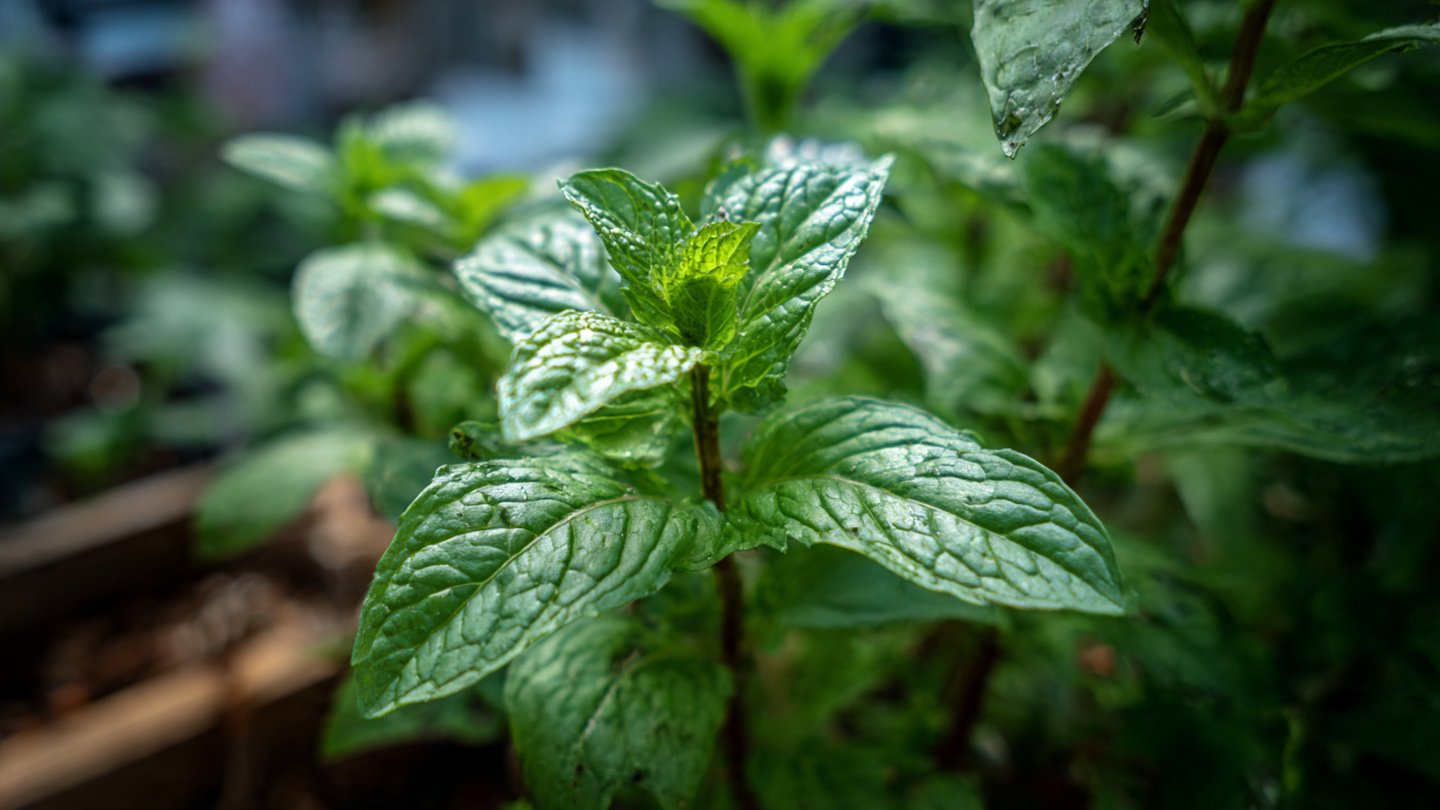
Growing peppermint at home can be a delightful and rewarding experience. Not only is peppermint a versatile herb, perfect for culinary uses, beverages, and DIY skincare, but it also boasts numerous health benefits. This guide will walk you through everything you need to know about successfully growing peppermint naturally in your garden or even in containers.
Understanding Peppermint
Peppermint (Mentha × piperita) is a hybrid mint, a cross between watermint and spearmint. It is known for its aromatic leaves and can grow up to 30 inches tall. This herb thrives in temperate climates and prefers moist, rich soil. Learning about its characteristics, growth habits, and ideal growing conditions is essential before starting your peppermint garden.
Latest Posts
- Easy Steps to Successfully Grow Bhindi in Grow Bags at Home
- Easy Steps to Grow a Healthy Guava Bonsai at Home for Beginners
- How to Successfully Grow and Cultivate White Strawberry Plants at Home for Delicious and Unique Fruits
- Ultimate Guide to Successfully Growing Weeping Fig Outdoors with Proven Techniques and Expert Tips
- How to Successfully Grow Flemish Beauty Pear Trees in Canada for Optimal Harvest
- Easy Hack to Grow Strawberries Year Round in Your Home Garden for Delicious Harvests
- Growing Flemish Beauty Pears in Canada A Complete Guide for Local Gardens
- The Ultimate Guide to Growing Hibiscus Plants Year Round for Vibrant Blooms and Healthy Foliage
- Easy Ways to Boost the Growth Rate of Your Indoor Peace Lily for Lush Green Foliage
- How to Successfully Grow Oak Leaf Lettuce in Your Home Garden for Fresh and Flavorful Salads
Benefits of Growing Peppermint
-
Culinary Uses: Fresh peppermint leaves add flavor to salads, teas, sauces, and desserts. It can also be used to garnish cocktails or added to lemonade for a refreshing twist.
-
Health Benefits: Peppermint has been known to aid digestion, relieve headaches, and alleviate cold symptoms. Its soothing properties also make it a popular choice for essential oils.
-
Pest Repellent: The strong scent of peppermint can deter pests like ants, mosquitoes, and rodents, making it a natural repellent in your garden.
-
Aesthetic Appeal: Peppermint is not only useful but also visually appealing with its vibrant green leaves and tiny purple flowers that attract pollinators.
Getting Started: Choosing the Right Method
1. Seeds vs. Cuttings
-
Seeds: Growing peppermint from seeds takes more time and may require specific conditions for germination. It’s a rewarding process but may not yield as predictable results as starting with cuttings.
-
Cuttings: Taking cuttings from an existing peppermint plant or purchasing starter plants is often the easiest way to grow peppermint. This method guarantees you’ll have a plant that’s true to type and can quickly establish roots.
2. Selecting a Location
Peppermint thrives in full sun to partial shade, so consider the following when selecting a spot:
-
Sunlight: Aim for at least 6 hours of sunlight each day. However, in hotter climates, some shade in the afternoon can help prevent wilting.
-
Soil: Peppermint prefers rich, well-draining soil. Amend your soil with compost to ensure it has the necessary nutrients.
Planting Peppermint
1. When to Plant
The best time to plant peppermint is in the spring after the last frost. If you live in a warmer climate, you can also plant it in the fall.
2. Preparing the Soil
Prepare your garden bed or container before planting:
- Soil Testing: Test the soil pH, aiming for a pH of 6.0 to 7.0.
- Amending the Soil: Add compost or well-rotted manure to enhance the soil’s fertility and drainage.

3. Planting
In the Garden:
- Spacing: Plant peppermint 18-24 inches apart to promote healthy growth.
- Depth: Dig a hole twice the size of the root ball. Place the peppermint in the hole and cover it with soil, patting it down lightly.
In Containers:
- Choose the Right Pot: Ensure your container is at least 12 inches deep, allowing for root growth. Choose a pot with drainage holes.
- Planting: Follow the same instructions as for a garden bed, ensuring ample spacing if planting multiple cuttings.
Caring for Your Peppermint Plants
1. Watering
Peppermint loves moisture but drains well. Water the plants regularly, especially during dry spells. The top inch of soil should be kept consistently moist but not soggy.
2. Fertilizing
-
Organic Fertilizer: Feed your peppermint plants with an organic liquid fertilizer every few weeks during the growing season.
-
Mulching: Apply mulch around the base of the plants to retain moisture and regulate soil temperature.

3. Pruning and Harvesting
-
Pruning: Regularly trim your peppermint plants to encourage bushier growth. This will also prevent them from becoming leggy.
-
Harvesting: Begin harvesting leaves once the plant reaches about 6-8 inches tall. Always select the upper leaves for harvesting, as they have the best flavor. Harvest in the morning for maximum oil concentration.
Pests and Diseases
Peppermint is generally resistant to many pests, but you may encounter:
-
Aphids: These small, sap-sucking insects can be detrimental. Use insecticidal soap or a strong stream of water to dislodge them.
-
Whiteflies: Another pest that can affect your peppermint. Similar treatment applies; use insecticidal soap or neem oil for management.
-
Fungal Issues: Proper air circulation and avoiding overhead watering can prevent issues like mildew.
Propagating Peppermint
If you want to expand your peppermint garden, propagation is simple:
-
Water Propagation: Cut a few healthy stems and place them in a jar of water. Change the water every few days. Roots will develop within a couple of weeks.
-
Soil Propagation: Plant cuttings directly in moist potting soil, keeping them in a warm, bright location. Regular watering will help them establish roots.

Overwintering Peppermint
If you live in a region with cold winters, peppermint can survive with proper care:
-
In-Ground Plants: After the first frost, trim the plants to about 4 inches above ground. Cover with mulch to insulate them through the winter.
-
Container Plants: Bring pots indoors to a cool, sunny spot. Water sparingly during the winter months.
Conclusion
With its myriad benefits and delicious flavor, growing peppermint at home is a fulfilling endeavor. By choosing the right method, providing optimal care, and enjoying the harvest, you can appreciate this wonderful herb year-round.
FAQs
1. How long does it take for peppermint to grow?
Peppermint typically takes about 70-90 days to mature from planting to harvest, depending on growth conditions and methods used.

2. Can peppermint be grown indoors?
Yes, peppermint can be successfully grown indoors in pots. Ensure it receives adequate sunlight and is watered regularly.
3. How often should I water peppermint?
Peppermint enjoys moist soil. Water it regularly when the top inch of the soil feels dry, but avoid waterlogging.
4. What pests are common in peppermint plants?
Common pests include aphids and whiteflies. Regularly inspecting and treating with organic pesticides can help prevent infestations.
5. Can peppermint plants survive winter?
Yes, peppermint can survive winter in temperate climates. Protect it with mulch and trim it back in late fall for better growth in spring.
6. How do I store fresh peppermint leaves?
Fresh peppermint leaves can be stored in the refrigerator for a week wrapped in a damp paper towel. For long-term storage, consider drying the leaves or making peppermint oil.
With careful attention and the right conditions, your peppermint plants will thrive and reward you with aromatic leaves for culinary and therapeutic use throughout the year. Happy gardening!