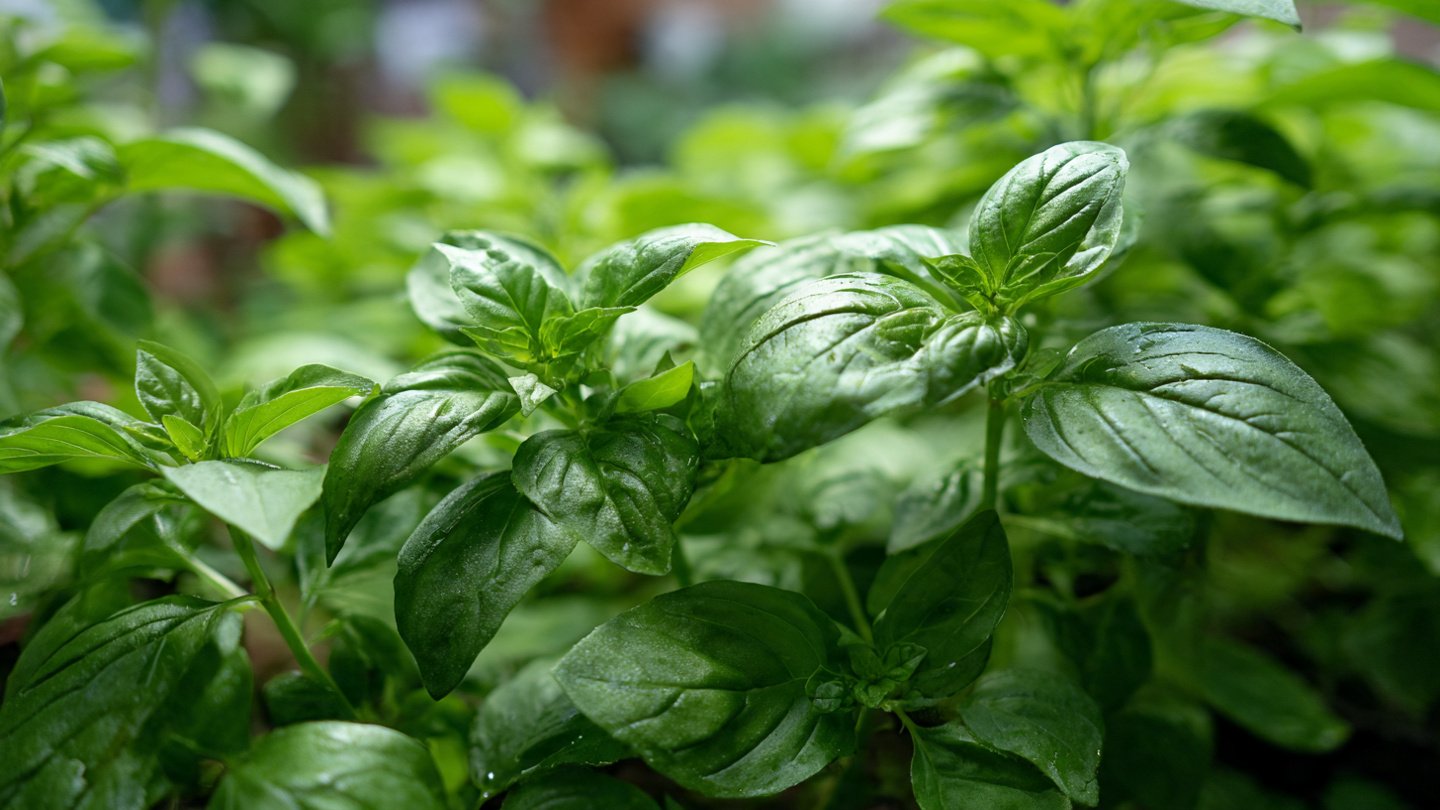
Lemon basil (Ocimum × citriodorum) is a delightful herb known for its fragrant, citrusy undertones. Not only does it enhance your culinary creations, but its aromatic leaves also elevate the overall ambiance of your home garden. If you want to dive into the world of growing lemon basil, this guide will equip you with everything you need to cultivate this aromatic herb for maximum flavor and aroma.
Understanding Lemon Basil
Before delving into the growing process, it’s essential to understand the characteristics of lemon basil. This herb is a hybrid between sweet basil and Thai basil, and its leaves exude a lemony scent and flavor that pairs wonderfully with various dishes, especially in Mediterranean and Southeast Asian cuisines.
Latest Posts
- Easy Steps to Successfully Grow Bhindi in Grow Bags at Home
- Easy Steps to Grow a Healthy Guava Bonsai at Home for Beginners
- How to Successfully Grow and Cultivate White Strawberry Plants at Home for Delicious and Unique Fruits
- Ultimate Guide to Successfully Growing Weeping Fig Outdoors with Proven Techniques and Expert Tips
- How to Successfully Grow Flemish Beauty Pear Trees in Canada for Optimal Harvest
- Easy Hack to Grow Strawberries Year Round in Your Home Garden for Delicious Harvests
- Growing Flemish Beauty Pears in Canada A Complete Guide for Local Gardens
- The Ultimate Guide to Growing Hibiscus Plants Year Round for Vibrant Blooms and Healthy Foliage
- Easy Ways to Boost the Growth Rate of Your Indoor Peace Lily for Lush Green Foliage
- How to Successfully Grow Oak Leaf Lettuce in Your Home Garden for Fresh and Flavorful Salads
Nutritional Benefits
Lemon basil is not only flavorful but also packed with nutrients. It contains antioxidants, vitamins A and C, calcium, iron, and magnesium. The herb also boasts anti-inflammatory and antibacterial properties, making it a valuable addition to your diet.
Choosing the Right Location
Sunlight Requirements
Lemon basil requires plenty of sunlight to thrive, ideally receiving about 6-8 hours of direct sunlight daily. When selecting a spot for your lemon basil, ensure it is in a location that receives ample light, such as south-facing windows if planting indoors or a sunny garden bed outdoors.
Soil Requirements
Lemon basil thrives in well-draining soil rich in organic matter. A pH level between 6.0 and 7.0 is optimal. You can achieve this by mixing garden soil with compost or well-rotted manure.
Indoor vs. Outdoor Growing
Depending on your climate and preferences, you can choose to grow lemon basil indoors or outdoors.
-
Indoor: If you live in a region with cold winters, growing lemon basil indoors may be the best option. A sunny windowsill or a grow light can provide the necessary warmth and light.
-
Outdoor: In more temperate climates, you can grow lemon basil outdoors in garden beds or containers.
Planting Lemon Basil
From Seeds
-
Start Indoors: If you’re starting seeds indoors, plant them in small pots or seed trays approximately 6 weeks before the last frost. Sow seeds about 1/4-inch deep and keep the soil moist but not soaked.
-
Transplanting: Once seedlings are about 2-4 inches tall and outdoor temperatures are consistently above 50°F (10°C), you can transplant them outside. Space plants about 10-12 inches apart to allow for growth.
From Cuttings
If you already have lemon basil and want to propagate new plants, take cuttings from healthy stems.
-
Cuttings: Select stems that are at least 4-6 inches long. Remove the lower leaves, and place the cuttings in a glass of water.
-
Rooting: After a week or two, roots will begin to develop. Once the roots are a few inches long, transplant the cuttings into the soil.
Choosing the Right Varieties
While ‘Lemon Basil’ is the primary type, you may also come across different cultivars. Some notable varieties include:
- Italian Lemon Basil: Offers slightly sweeter notes.
- Thai Lemon Basil: Spicier flavor, great for Asian dishes.
Choose the variety that best suits your culinary needs.
Maintenance Tips for Optimal Growth
Watering
Water your lemon basil consistently, especially during dry periods. The goal is to keep the soil evenly moist but not soggy. Water when the top inch of soil feels dry to the touch.
Fertilizing
Lemon basil thrives with adequate nutrients. Use a balanced fertilizer every 4-6 weeks during the growing season. If you prefer organic options, consider using compost or fish emulsion.

Pruning
Regular pruning encourages bushier growth and improves your plant’s yield. Pinch off the tops of the stems when they reach about 6 inches tall. This practice encourages lateral growth and enhances leaf production.
Pest and Disease Management
Lemon basil is susceptible to some pests like aphids and whiteflies. Monitor your plants regularly for any signs of infestations. Natural pest repellents like neem oil or insecticidal soap can be effective.
Additionally, avoid overhead watering to prevent fungal diseases. Ensure good air circulation around your plants.
Harvesting Lemon Basil
When to Harvest
Start harvesting once your basil plants are about 6-8 inches tall. The best time to harvest is in the morning after the dew has dried but before the sun is too hot.
How to Harvest
Use sharp scissors or pruning shears to cut leaves. Only take about one-third of the plant at a time to encourage continual growth. Always leave some leaves to allow the plant to photosynthesize effectively.
Storing and Using Lemon Basil
Fresh Use
Lemon basil is best used fresh to enjoy its aromatic flavor. It pairs wonderfully with various dishes, including salads, pasta, grilled meats, and even desserts.
Drying and Freezing
If you have an excess of lemon basil, consider drying or freezing the leaves:
-
Drying: Bundle the stems and hang them upside down in a dark, well-ventilated area until fully dried. Store in an airtight container away from sunlight.
-
Freezing: Wash and dry the leaves, then chop and place in ice cube trays filled with water or olive oil. Once frozen, transfer the cubes to a freezer bag for later use.
Conclusion
Growing lemon basil in your home garden provides not only an exceptional flavor and aroma but also health benefits and culinary versatility. By following the guidelines outlined in this article, you’ll be well on your way to cultivating this delicious herb. Whether using it fresh, dried, or frozen, lemon basil will surely enhance your dishes and elevate your gardening experience.
FAQs
1. Can I grow lemon basil indoors year-round?
Yes, lemon basil can be grown indoors year-round provided there is adequate light. Use a bright windowsill or supplement with grow lights.
2. How often should I water lemon basil?
Water your lemon basil when the top inch of soil feels dry. Generally, this could mean watering every few days, depending on conditions.
3. What pests should I watch for when growing lemon basil?
Common pests include aphids, whiteflies, and spider mites. Inspect your plants regularly, and use natural pest control methods if needed.
4. Can lemon basil be grown in containers?
Absolutely! Lemon basil grows well in containers, making it ideal for patios or balconies. Ensure the container has good drainage.
5. How long does it take for lemon basil to grow from seeds?
Seeds typically germinate within 7-14 days. You can start harvesting in about 4-6 weeks after transplanting.
6. Does lemon basil attract beneficial insects?
Yes, lemon basil can attract pollinators like bees and beneficial insects like ladybugs, which help control pests.
7. Can I use lemon basil for making pesto?
Yes! Lemon basil can be used in place of traditional basil for a fragrant twist on classic pesto recipes. Adjust the garlic and nuts to taste.
By following this guide, you are set to enjoy the wonderful world of lemon basil. With its delightful aroma and flavor, your dishes are sure to impress family and friends! Happy gardening!