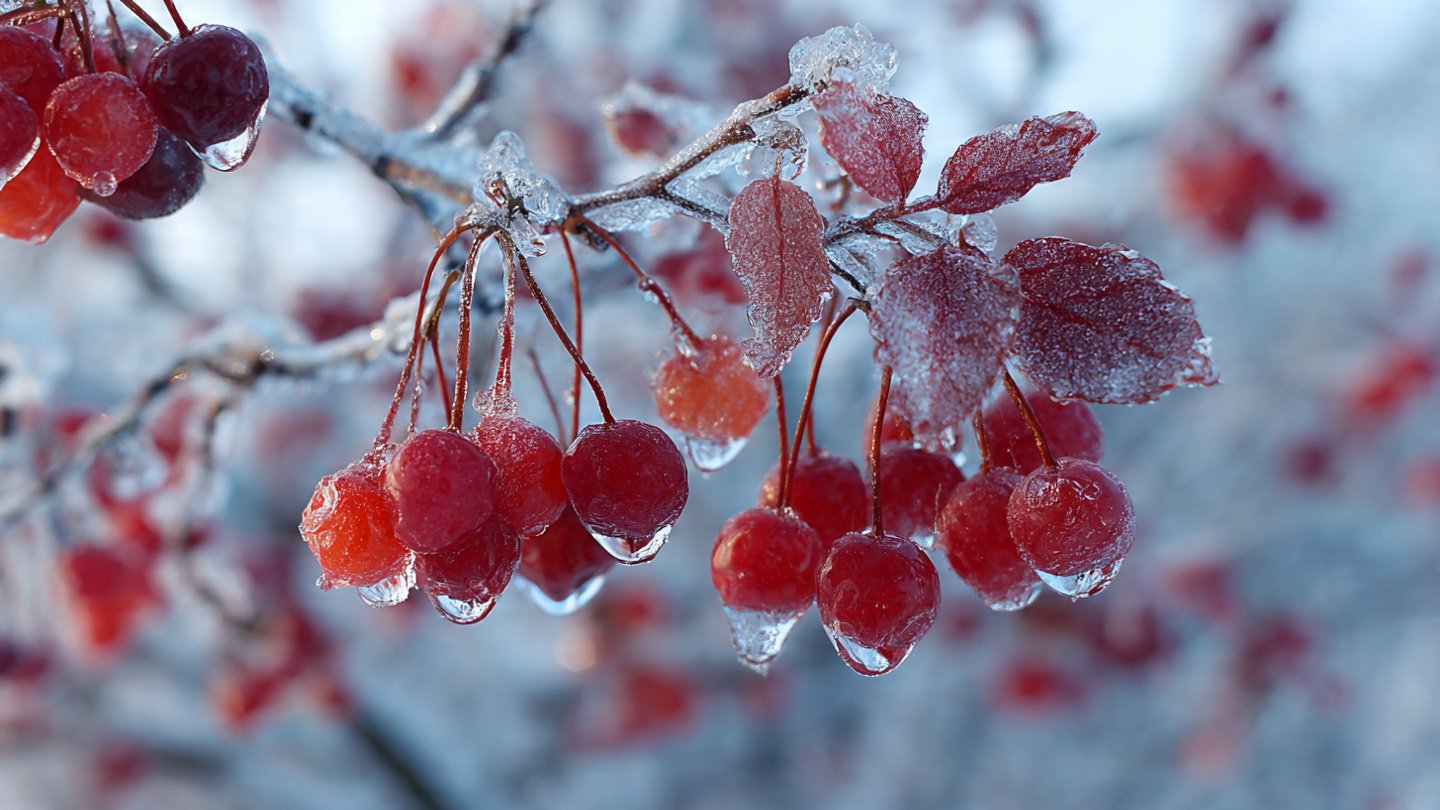
Simple Techniques for Successfully Growing Cherry Bushes in Cold Climates
Growing cherry bushes in cold climates presents unique challenges, but with the right techniques, anyone can cultivate these delightful fruit-bearing plants successfully. Cherry bushes are not only beautiful with their delicate blossoms, but they also offer delicious fruits that can be enjoyed fresh or preserved. In this guide, we will explore various techniques for successful cherry bush cultivation in colder regions, ensuring you enjoy the full benefits of these lovely plants.
Understanding Cherry Bush Varieties
Before diving into cultivation techniques, it’s important to select the right variety of cherry bushes that thrive in colder climates:
Latest Posts
- Easy Steps to Successfully Grow Bhindi in Grow Bags at Home
- Easy Steps to Grow a Healthy Guava Bonsai at Home for Beginners
- How to Successfully Grow and Cultivate White Strawberry Plants at Home for Delicious and Unique Fruits
- Ultimate Guide to Successfully Growing Weeping Fig Outdoors with Proven Techniques and Expert Tips
- How to Successfully Grow Flemish Beauty Pear Trees in Canada for Optimal Harvest
- Easy Hack to Grow Strawberries Year Round in Your Home Garden for Delicious Harvests
- Growing Flemish Beauty Pears in Canada A Complete Guide for Local Gardens
- The Ultimate Guide to Growing Hibiscus Plants Year Round for Vibrant Blooms and Healthy Foliage
- Easy Ways to Boost the Growth Rate of Your Indoor Peace Lily for Lush Green Foliage
- How to Successfully Grow Oak Leaf Lettuce in Your Home Garden for Fresh and Flavorful Salads
-
Sour Cherries: Varieties such as ‘Montmorency’ and ‘North Star’ are excellent for cold regions. They are hardy and can withstand harsh winter conditions.
-
Sweet Cherries: Although they are less cold-hardy, varieties like ‘Bing’ or ‘Lapins’ may do well in marginally cold areas provided they are planted in a sheltered location.
-
Ornamental Cherry Trees: While these types are not for fruit production, they can still flourish in cold climates and add aesthetic value to your garden.
Planting Cherry Bushes
Choosing the Right Location
-
Sunlight: Cherry bushes require full sun for at least 6-8 hours a day. Select a location that receives ample morning sunlight to help dry dew quickly, reducing the risk of diseases.
-
Soil: Well-draining, loamy soil is crucial. If your soil retains too much moisture, consider amending it with organic matter or planting in raised beds.
-
Protection from Winds: Site your cherry bushes in a location where they are protected from harsh winter winds. Planting them near a fence, wall, or other windbreak structures can be beneficial.
Soil Preparation
-
pH Levels: Test your soil’s pH; cherry bushes prefer a slightly acidic to neutral soil (pH between 6.0 and 7.0). Amend the soil with limestone or sulfur if necessary.
-
Organic Matter: Incorporate compost or well-rotted manure into your soil to enrich it with nutrients. This not only improves drainage but also promotes healthy root development.
-
Drainage: Ensure that your planting area has good drainage. If your garden has heavy clay soil, consider building raised beds or mounds to improve water retention.
Planting Technique
-
Timing: The best time to plant cherry bushes is in early spring after the last frost or in the fall before the ground unfrozens.
-
Spacing: Space the bushes at least 4-5 feet apart to provide ample air circulation. This will reduce the risk of fungal diseases and allow the plants room to grow.
-
Depth: Dig a hole twice the width and just as deep as the root ball. Ensure the crown of the plant is level with the soil surface when planted.
Caring for Cherry Bushes
Watering
-
Frequency: Water newly planted bushes thoroughly at least once a week during dry spells. Once established, reduce watering but ensure the bushes receive about an inch of water per week.
-
Mulching: Apply a layer of organic mulch around the base of the bush to retain moisture, suppress weeds, and regulate soil temperature.
Pruning
-
Timing: Late winter or early spring is the best time to prune cherry bushes. Avoid pruning in late summer or fall, as this can lead to new growth that won’t harden off before winter.
-
Techniques: Remove dead or diseased wood, and thin out crowded branches to encourage better air circulation. Aim for an open center structure to allow sunlight to penetrate.
-
Shaping: Prune to maintain a bushy, compact form. Aim for a height that is manageable for harvesting.

Fertilization
-
Type of Fertilizer: Use a balanced, slow-release fertilizer, preferably one that is organic. Avoid high nitrogen fertilizers, as they can promote leafy growth at the expense of fruit production.
-
Timing: Fertilize in early spring just as new growth starts. If your soil lacks nutrients, consider a mid-season application as well.
Pest and Disease Control
-
Monitoring: Regularly check your bushes for signs of pests such as aphids, spider mites, or borers. Early detection is essential for effective control.
-
Preventative Measures: Use insecticidal soap or neem oil for pests. For diseases like powdery mildew, ensure good air circulation and proper watering techniques.
-
Companion Planting: Consider planting pest-repelling flowers or herbs nearby, such as marigolds or garlic.
Preparing for Winter

-
Mulching: Apply a thick layer of mulch in late fall to protect roots from freezing temperatures.
-
Protection: In particularly harsh climates, consider wrapping the base of the bushes with burlap or using tree guards to shield them from extreme cold.
-
Watering Before Winter: Ensure the bushes are well-watered before the ground freezes to prevent winter desiccation.
Harvesting Cherry Bushes
-
Timing: Harvest cherries when they are fully ripe; sour cherries usually turn a deep red, while sweet cherries may turn purple or deep red.
-
Technique: Twist and lift the fruit gently to avoid damaging the branches. Use a small bucket or basket to collect cherries without squishing them.
-
Post-Harvest: Handle cherries carefully to minimize bruising. Refrigerate them promptly for the freshest taste.
FAQs
1. Can cherry bushes survive extreme cold?
Yes, many cherry varieties, particularly sour cherries, are well-suited for cold climates and can survive extreme cold with the right care.
2. How long does it take for cherry bushes to produce fruit?
Usually, cherry bushes will start producing fruit within 3 to 5 years of planting, depending on the variety and growing conditions.
3. Do cherry bushes need cross-pollination?
While some varieties are self-pollinating, others may require cross-pollination for optimal fruit set. It’s beneficial to plant at least two different varieties nearby.
4. How can I prevent pests and diseases on my cherry bushes?
Regular monitoring, proper watering techniques, and utilizing organic pest control methods can help prevent pests and diseases.
5. Is it necessary to prune cherry bushes every year?
Pruning is essential for maintaining health and productivity, so aim to prune annually, focusing on removing dead or crowded branches.
Conclusion
Growing cherry bushes in cold climates is attainable with the right techniques and care. By understanding the specific needs of cherry bushes, selecting suitable varieties, and employing detailed care practices, you can establish a thriving cherry bush garden. Enjoy the beauty and bounty of your cherry bushes for years to come, and savor the delightful fruits of your hard work!