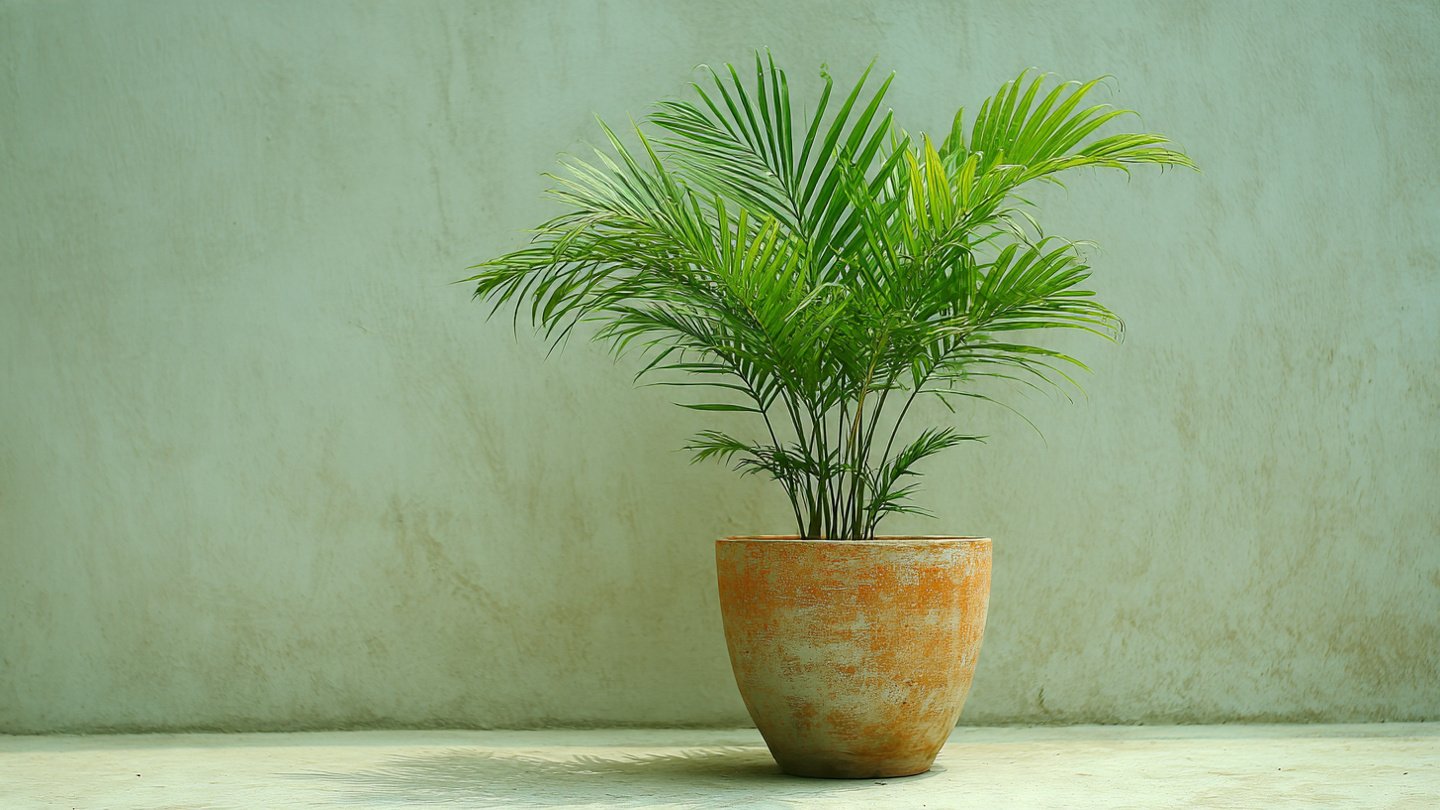
The Areca Palm (Dypsis lutescens) is one of the most popular houseplants, known for its feathery, arching fronds and elegant presence. This tropical plant adds a touch of lush greenery to any indoor space and helps purify the air. Growing Areca Palms indoors can seem daunting if you’re inexperienced, but with the right approach, you can enjoy their beauty with minimal effort. This article will guide you through simple steps to successfully cultivate Areca Palms indoors.
1. Understanding Areca Palms
Before jumping into how to care for an Areca Palm, it’s essential to understand its characteristics. Native to Madagascar, the Areca Palm thrives in warm, humid conditions. It can grow up to 6-7 feet indoors and does well in bright, indirect sunlight. Areca Palms can be a bit sensitive; however, they reward attentive care with vibrant growth and beautiful fronds.
Latest Posts
- Easy Steps to Successfully Grow Bhindi in Grow Bags at Home
- Easy Steps to Grow a Healthy Guava Bonsai at Home for Beginners
- How to Successfully Grow and Cultivate White Strawberry Plants at Home for Delicious and Unique Fruits
- Ultimate Guide to Successfully Growing Weeping Fig Outdoors with Proven Techniques and Expert Tips
- How to Successfully Grow Flemish Beauty Pear Trees in Canada for Optimal Harvest
- Easy Hack to Grow Strawberries Year Round in Your Home Garden for Delicious Harvests
- Growing Flemish Beauty Pears in Canada A Complete Guide for Local Gardens
- The Ultimate Guide to Growing Hibiscus Plants Year Round for Vibrant Blooms and Healthy Foliage
- Easy Ways to Boost the Growth Rate of Your Indoor Peace Lily for Lush Green Foliage
- How to Successfully Grow Oak Leaf Lettuce in Your Home Garden for Fresh and Flavorful Salads
2. Selecting the Right Pot
Choosing the right pot is crucial for the health of your Areca Palm. Here are some tips:
-
Size: Select a pot that is at least 2-3 inches larger in diameter than the plant’s root ball. This allows room for growth.
-
Material: Terracotta pots are great for moisture regulation, while plastic pots are lightweight and can help retain moisture.
-
Drainage: Ensure the pot has drainage holes at the bottom to prevent waterlogging, which can lead to root rot.
3. Choosing the Right Soil
Areca Palms thrive in well-draining soil. Here’s what to consider:
-
Mix: Use a potting mix designed for indoor plants, which typically includes peat moss, bark, and perlite. This mix ensures good drainage and aeration.
-
pH Level: A pH level between 6.0 and 6.5 works best for Areca Palms. You can buy a pH test kit to check your soil’s acidity.

4. Light Requirements
Areca Palms prefer bright, indirect sunlight. Here’s how to position your plant:
-
Location: Place your palm near a window that receives filtered light. Avoid direct sunlight, as it can scorch the fronds.
-
Rotation: Rotate the plant occasionally to ensure even growth, as it may lean towards the light source.
5. Watering
Correct watering is crucial for maintaining a healthy Areca Palm:
-
Frequency: Water when the top 1-2 inches of soil feels dry to the touch. Typically, this may mean watering every 1-2 weeks, depending on your indoor climate.
-
Method: Water thoroughly until it flows out of the drainage holes. This ensures the roots get adequate moisture.
-
Humidity Considerations: Areca Palms love humidity, so consider misting them or placing them in a humid environment, especially in dry seasons.

6. Fertilizing
To ensure robust growth, fertilize your Areca Palm during the growing season:
-
Type of Fertilizer: Use a balanced, water-soluble fertilizer (like 10-10-10) with micronutrients.
-
Frequency: Fertilize every 4-6 weeks from spring to early fall, and reduce or stop during the winter months when growth slows down.
7. Pruning and Maintenance
Regular maintenance keeps your Areca Palm looking its best:
-
Pruning: Remove any yellow or brown fronds to promote healthy growth. You can gently trim these with scissors.
-
Cleaning: Dust can accumulate on the leaves, blocking light. Wipe them gently with a damp cloth to keep them clean.
8. Pest Management
While Areca Palms are generally resilient, they can still fall prey to pests:

-
Common Pests: Watch out for spider mites, mealybugs, and scale. If you notice these pests, treat the plant with insecticidal soap or neem oil.
-
Prevention: Keep your plant healthy, and avoid overcrowding, as this helps reduce the risk of infestations.
9. Repotting
As your Areca Palm grows, it may become root-bound:
-
When to Repot: Repot every 2-3 years or when you notice roots emerging from the drainage holes.
-
Process: When repotting, choose a pot that is a size larger and refresh the soil to provide fresh nutrients.
10. Identifying and Addressing Common Issues
Understanding potential problems can help you keep your Areca Palm thriving:
-
Yellowing Leaves: This often indicates overwatering. Check the soil moisture and allow it to dry out before watering again.
-
Brown Tips: This may result from underwatering or low humidity. Increase humidity levels or adjust your watering routine.
-
Drooping Leaves: A sign of underwatering or too little light. Ensure adequate moisture and relocate the palm if necessary.

Conclusion
Growing an Areca Palm indoors can be a rewarding endeavor, transforming your space with greenery and improving air quality. By providing the right light conditions, soil, and care, you can enjoy a healthy, vibrant palm with minimal effort. Remember to keep an eye on its needs, and soon you’ll have a thriving Areca Palm as a stunning centerpiece in your home.
FAQs
1. How tall does an Areca Palm grow indoors?
- Indoors, an Areca Palm can grow anywhere from 6 to 7 feet tall, although it may take several years to reach this height.
2. How often should I water my Areca Palm?
- Water your Areca Palm when the top 1-2 inches of soil feel dry, typically every 1-2 weeks, depending on the humidity and temperature of your home.
3. What type of fertilizer is best for Areca Palms?
- A balanced, water-soluble fertilizer like a 10-10-10 mix is ideal. Fertilize every 4-6 weeks during the growing season.

4. Can Areca Palms survive in low light?
- While they prefer bright, indirect light, Areca Palms can survive in lower light conditions but may not grow as vigorously.
5. How do I know if my Areca Palm is getting enough humidity?
- Fronds may show browning tips or curling if the humidity is too low. You can mist the plant or use a pebble tray to increase humidity.
6. When should I repot my Areca Palm?
- Repot every 2-3 years or when roots begin to surface from the drainage holes of the pot.
7. How can I treat pests on my Areca Palm?
- For pests like spider mites and mealybugs, use insecticidal soap or neem oil. Regularly inspecting your plant can also help prevent infestations.
By following these simple steps and tips, you can ensure your Areca Palm remains a beautiful and thriving addition to your indoor space for years to come!