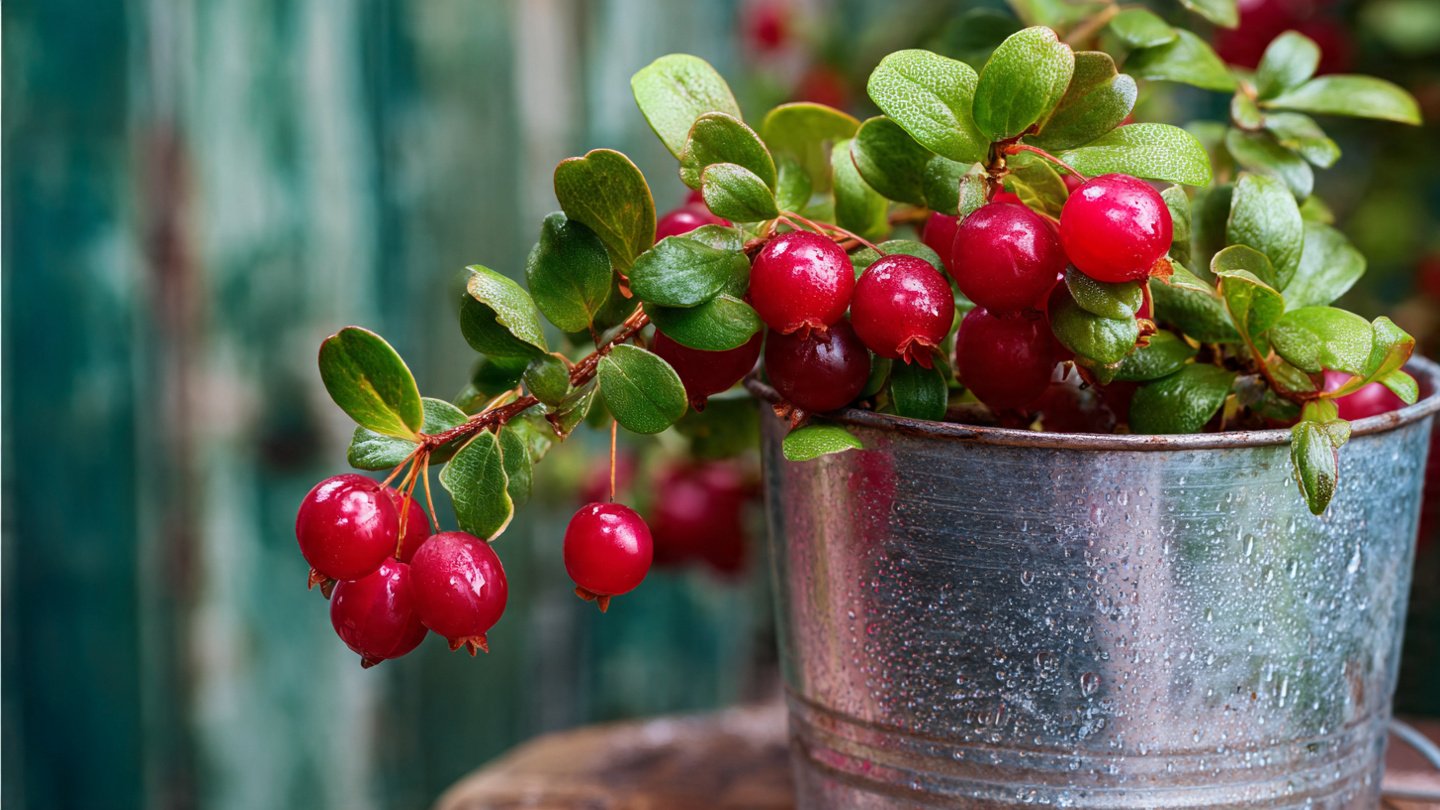
Cranberries, with their tart flavor and vibrant red color, are incredibly popular fruits often associated with holiday meals. While they thrive in specific soil and climate conditions, growing cranberries at home is feasible, even if you have limited space. This article will guide you step-by-step on how to grow cranberry vines in pots, ensuring you enjoy fresh berries right from your garden.
Introduction to Cranberries
Cranberries (Vaccinium macrocarpon) are perennial shrubs native to North America. They flourish in acidic, sandy soil and require specific conditions for successful growth. While traditionally cultivated in large fields called “cranberry bogs,” growing them in pots can be just as rewarding. This method is especially practical for urban gardeners or those with limited outdoor space. Here’s how you can start your cranberry-growing adventure.
Latest Posts
- Easy Steps to Successfully Grow Bhindi in Grow Bags at Home
- Easy Steps to Grow a Healthy Guava Bonsai at Home for Beginners
- How to Successfully Grow and Cultivate White Strawberry Plants at Home for Delicious and Unique Fruits
- Ultimate Guide to Successfully Growing Weeping Fig Outdoors with Proven Techniques and Expert Tips
- How to Successfully Grow Flemish Beauty Pear Trees in Canada for Optimal Harvest
- Easy Hack to Grow Strawberries Year Round in Your Home Garden for Delicious Harvests
- Growing Flemish Beauty Pears in Canada A Complete Guide for Local Gardens
- The Ultimate Guide to Growing Hibiscus Plants Year Round for Vibrant Blooms and Healthy Foliage
- Easy Ways to Boost the Growth Rate of Your Indoor Peace Lily for Lush Green Foliage
- How to Successfully Grow Oak Leaf Lettuce in Your Home Garden for Fresh and Flavorful Salads
Choosing the Right Pot
-
Size Matters: Choose a pot that is at least 12-18 inches deep and wide. Cranberry roots spread horizontally, so ample space is crucial.
-
Drainage: Ensure the pot has drainage holes. Cranberries require well-drained soil, and proper drainage will prevent root rot.
-
Material: Consider using plastic or ceramic pots. Plastic is lighter and retains moisture better, while ceramic pots can add an aesthetic touch to your garden.
Soil Preparation
Cranberries thrive in acidic conditions, so choosing the right soil mix is vital.
-
Soil Type: Use an acidic potting mix. A blend of peat moss, pine bark, and sand can work well. You can also mix regular potting soil with peat moss to increase acidity.
-
pH Level: The optimal pH for cranberry growth is between 4.0 and 5.5. You can purchase a soil pH kit to test your mixture. If it’s too alkaline, add sulfur or peat moss.

Planting Cranberry Vines
Step 1: Selecting the Right Variety
When factoring in pot cultivation, choose dwarf varieties of cranberries, such as ‘Pilgrim’ or ‘Early Black,’ which adapt better to limited spaces than larger varieties.
Step 2: Propagation Methods
You can propagate cranberries through seeds, cuttings, or by purchasing young plants from nurseries.
-
Seeds: If starting from seeds, soak them in water for 24 hours before planting. Plant seeds about ¼ inch deep.
-
Cuttings: If using cuttings, select healthy, green stems and root them in moist potting mix using rooting hormone for best results.
-
Purchasing Young Plants: This method is the easiest for beginners. Select healthy plants from a local nursery or online store.
Step 3: Planting
-
Plant the Vine: Place the young cranberry plant in the pot, ensuring the root ball is level with the soil surface.
-
Fill and Water: Fill in around the root with the prepared soil mix, pressing gently to eliminate air pockets. Water the plant immediately after planting.

Caring for Your Cranberry Vine
Watering
Cranberries need consistent moisture without being waterlogged.
- Frequency: Water regularly, especially in the growing season (spring and summer). The soil should stay damp, but avoid saturation.
- Mulching: Apply a layer of mulch (e.g., pine needles) to retain moisture and maintain soil acidity.
Sunlight
Cranberry vines prefer full sun, which means they need at least 6-8 hours of direct sunlight a day.
- Placement: Position your pot in a sunny spot on your balcony, patio, or garden.
Fertilizing
Use a balanced, slow-release fertilizer designed for acid-loving plants.
-
Timing: Fertilize in early spring when new growth appears and again midsummer to support fruiting.
-
Quantity: Follow the recommended dosage on the fertilizer packaging to avoid over-fertilization.
Pruning

Regular pruning helps maintain your cranberry vine’s shape and ensures good airflow.
-
When to Prune: Prune in late winter or early spring before new growth starts.
-
How to Prune: Remove dead or damaged branches and thin out areas to promote better air circulation.
Pollination and Fruit Production
Cranberries produce small, bell-shaped flowers that require pollination to set fruit.
-
Attracting Pollinators: Planting nearby flowers can help attract bees and other pollinators.
-
Self-Pollination: Cranberries can self-pollinate, but you can gently shake the plants when they flower to facilitate the process.
Harvesting
Cranberry fruits take about 3-4 months to mature.
-
Timing: Harvest is typically done in late summer to early fall when berries are fully colored and firm.
-
Method: Gently twist or snip the cranberries from the vine without damaging the plant.
-
Storage: Fresh cranberries can be stored in the fridge for several weeks or frozen for later use.

Troubleshooting Common Issues
-
Pests: Watch for aphids and spider mites. Use insecticidal soap if infestations occur.
-
Diseases: Root rot can happen in overly wet conditions. Ensure proper drainage and avoid waterlogged soil.
-
Soil Conditions: Keep checking soil pH and moisture levels to maintain healthy growth.
Enjoying Your Cranberries
Once you harvest your cranberries, there are numerous ways to enjoy them:
- Fresh: Eat raw or mix them into salads.
- Sauces & Jams: Make cranberry sauces or jams.
- Baking: Use in muffins or desserts.
FAQs
1. Can I grow cranberries indoors?

Yes, cranberries can be grown indoors as long as they receive enough sunlight and you maintain proper humidity and moisture levels.
2. How long does it take for cranberries to produce fruit?
Cranberry vines can take about 1-2 years to produce fruit after planting, depending on the variety and growing conditions.
3. Do cranberries require specific weather conditions to thrive?
Cranberries prefer cooler climates but can adapt to average conditions if watered adequately. They thrive during the growing season, with plenty of sun and moisture.
4. What pests or diseases should I watch for?
Common pests include aphids and spider mites. Diseases can include root rot if the plants are overwatered. Keep an eye out for signs of distress, like discolored leaves or stunted growth.
5. How often should I water my cranberry vine?
Cranberries prefer consistently moist soil without becoming waterlogged. Check the soil regularly and water as needed; typically, this means watering every few days during dry spells.
6. Can I use regular potting soil for cranberries?
Regular potting soil may not be acidic enough. It is best to use a mix that includes peat moss or to amend regular potting soil with sulfur or pine needles to lower the pH.
Conclusion
Growing cranberry vines in pots is a rewarding and straightforward endeavor that allows you to enjoy fresh berries right from your garden, regardless of your space limitations. With the right pot, soil, care, and attention, you can cultivate a thriving cranberry vine that not only enhances your garden but also enriches your meals with fresh, homegrown flavors. Whether used in sauces, baking, or enjoyed fresh, homegrown cranberries bring a unique taste of the harvest to your cooking. So, roll up your sleeves and start your cranberry-growing journey today!