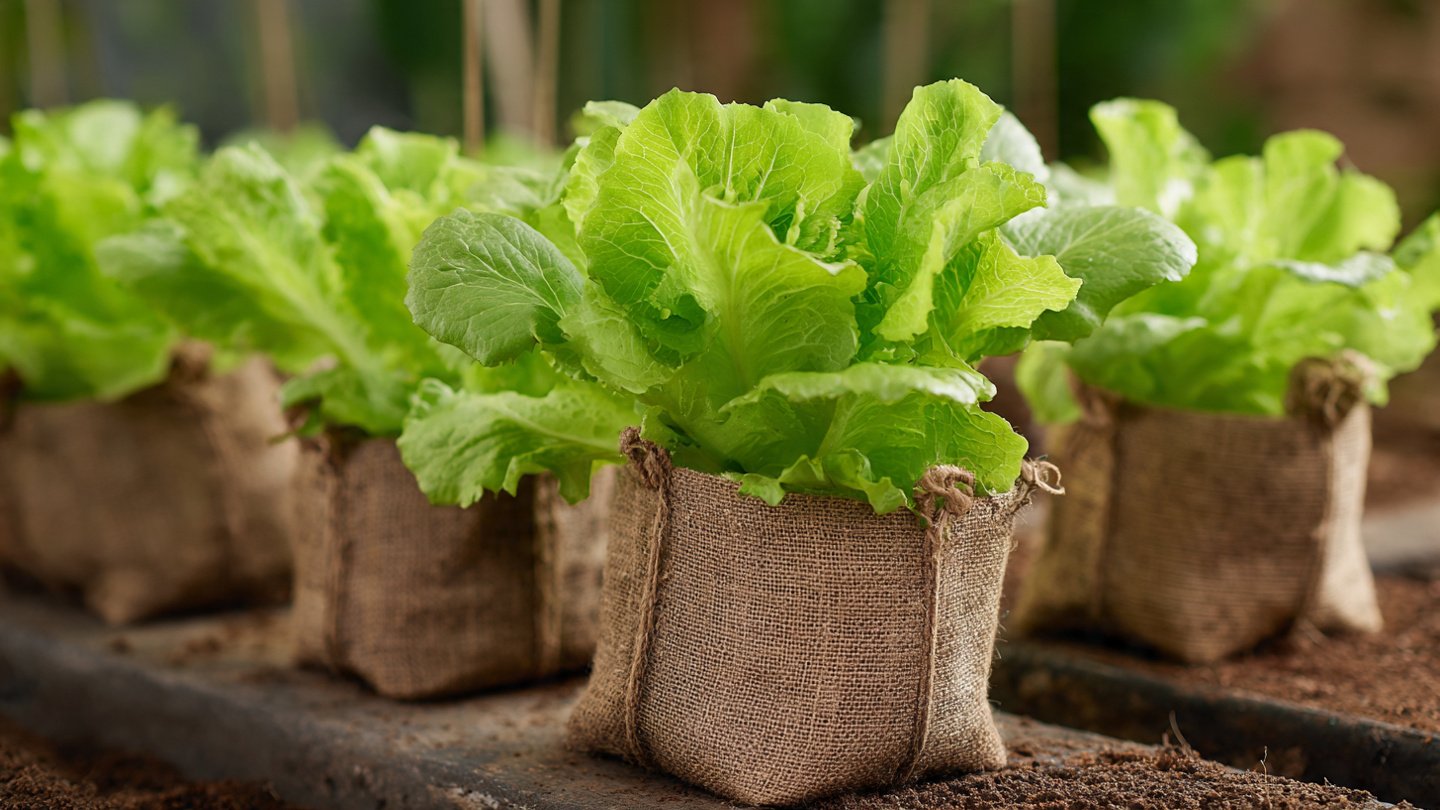
Growing your own vegetables can be a rewarding endeavor, and lettuce is one of the easiest and most gratifying crops to cultivate, especially for beginners. With the increasing popularity of urban gardening and limited garden space, grow bags offer a practical solution for cultivating fresh produce right at home. In this comprehensive guide, we will walk you through the simple steps for successfully growing lettuce in grow bags, along with a frequently asked questions (FAQs) section to address common concerns.
Why Grow Lettuce in Grow Bags?
Growing lettuce in grow bags comes with several advantages:
Latest Posts
- Easy Steps to Successfully Grow Bhindi in Grow Bags at Home
- Easy Steps to Grow a Healthy Guava Bonsai at Home for Beginners
- How to Successfully Grow and Cultivate White Strawberry Plants at Home for Delicious and Unique Fruits
- Ultimate Guide to Successfully Growing Weeping Fig Outdoors with Proven Techniques and Expert Tips
- How to Successfully Grow Flemish Beauty Pear Trees in Canada for Optimal Harvest
- Easy Hack to Grow Strawberries Year Round in Your Home Garden for Delicious Harvests
- Growing Flemish Beauty Pears in Canada A Complete Guide for Local Gardens
- The Ultimate Guide to Growing Hibiscus Plants Year Round for Vibrant Blooms and Healthy Foliage
- Easy Ways to Boost the Growth Rate of Your Indoor Peace Lily for Lush Green Foliage
- How to Successfully Grow Oak Leaf Lettuce in Your Home Garden for Fresh and Flavorful Salads
- Space-Saving: Grow bags can be kept almost anywhere—balconies, patios, or even indoors if placed near a sunlight source.
- Good Drainage: Grow bags allow for excess water to drain, preventing root rot and other water-related issues.
- Portability: They are lightweight and can easily be moved to catch the sun or avoid harsh weather.
- Customized Soil: You can create the perfect soil mix tailored for lettuce in your grow bags.
- Extended Growing Season: With the right care, you can grow lettuce almost year-round in different climates.
Choosing the Right Grow Bag
Before diving into growing lettuce, the first step is selecting the right grow bags. Here are some essential factors to consider:
1. Size Matters
Choose bags that are at least 5 to 10 gallons in size for growing lettuce. This size allows sufficient soil depth for root growth. If you’re planning to grow multiple lettuce varieties or a larger quantity, consider larger bags or multiple smaller bags.
2. Material
Grow bags come in various materials, including:
- Fabric: These provide excellent aeration and drainage while retaining moisture, ideal for lettuce roots.
- Plastic: Durable and inexpensive, but ensure they have adequate drainage holes.
- Biodegradable: Great for eco-conscious gardeners but may not last as long.
3. Drainage
Ensure that the grow bags have drainage holes at the bottom. This prevents water from pooling and helps maintain healthy root conditions.
Soil Selection
The growth of your lettuce largely depends on the soil you use. Here’s how to prepare the ideal soil:
Soil Texture and Quality
- Potting Mix: Use a high-quality potting mix designed for vegetable gardening. This mix provides balanced nutrients and good drainage.
- Organic Matter: Incorporate compost or well-rotted manure to enrich the soil with nutrients.
- Aeration: Incorporate perlite or vermiculite into the mix to promote aeration and facilitate drainage.
Soil pH
Lettuce thrives best in slightly acidic to neutral pH levels (6.0 to 7.0). You can test your soil pH using a home soil testing kit and amend it if necessary.
Choosing Lettuce Varieties

When it comes to lettuce, there are numerous varieties to choose from. For beginners, here are some popular options:
- Leaf Lettuce: Fast-growing and easy to harvest. Varieties like ‘Green Leaf,’ ‘Red Leaf,’ and ‘Butterhead’ are excellent choices.
- Romaine (Cos Lettuce): Has a crisp texture and is perfect for salads.
- Butter Lettuce: Tender and sweet, ideal for salads and sandwiches.
Choose a variety that suits your taste and consider planting a mix for diversity.
Steps to Grow Lettuce in Grow Bags
Step 1: Preparation
- Choose a Location: Place your grow bags in a location that receives at least 6 to 8 hours of sunlight daily.
- Elevate the Bags: If possible, avoid placing grow bags directly on the ground. Use a rack or stand to promote airflow and drainage.
Step 2: Planting
- Filling the Grow Bag: Fill your grow bag with the prepared potting mix, leaving a couple of inches from the top.
- Sowing Seeds: Make small holes about ¼ inch deep and place 2 to 3 seeds in each hole. Space the holes about 6 to 8 inches apart.
- Covering the Seeds: Gently cover the seeds with soil and lightly pat it down.
- Watering: Water the newly planted seeds gently to avoid displacing them. The soil should be moist but not soggy.
Step 3: Caring for Your Lettuce

- Watering: Keep the soil consistently moist, especially in the early growing stages. Water deeply but less frequently to encourage root growth.
- Fertilizing: After seeds have germinated and seedlings are a couple of inches tall, apply a diluted, balanced fertilizer every 3-4 weeks.
- Weeding: Keep an eye out for weeds and remove them promptly, as they can compete with your lettuce for nutrients.
- Spacing: If your seedlings start crowding each other, thin them out, leaving only the strongest plants.
Step 4: Harvesting
- Timing: Lettuce is typically ready for harvest in 30 to 70 days, depending on the variety. Leaf lettuces can be harvested as soon as they are big enough to eat.
- Cutting: Use scissors to cut the outer leaves, allowing the inner leaves to continue growing. For Romaine and Butterhead, cut the head at the base when it reaches your desired size.
- Post-Harvest Care: After harvesting, water the plant well to support any remaining leaves.
Common Issues and Their Solutions
While growing lettuce in grow bags is relatively straightforward, you might encounter some challenges. Here’s how to address them:
1. Pests
Common pests include aphids, slugs, and snails.
- Prevention: Consider using row covers to shield young plants.
- Control: Hand-pick pests off plants or use insecticidal soap.
2. Diseases

Fungal diseases such as downy mildew can occur, especially during humid conditions.
- Prevention: Ensure adequate air circulation and avoid overhead watering.
- Control: Remove infected leaves and apply fungicidal treatments if necessary.
3. Temperature Stress
Lettuce prefers cooler temperatures.
- Avoiding Heat Stress: Use shade cloths during hot weather to protect your plants from extreme heat.
4. Yellowing Leaves
This could be caused by over-watering, nutrient deficiency, or pests.
- Solution: Check your watering routine and consider testing the soil for nutrients.
FAQs
1. Can I grow lettuce indoors in grow bags?
Yes, as long as you provide adequate light, either from natural sunlight or grow lights, you can successfully grow lettuce indoors.
2. How often should I water my lettuce?

Water your lettuce regularly to keep the soil consistently moist. In warm weather, this may be daily, while cooler conditions may require less frequent watering.
3. How many lettuce plants can I grow in one grow bag?
In a 5 to 10-gallon bag, you can typically grow 4 to 6 lettuce plants, depending on the variety. Ensure they have enough space to grow.
4. Is it necessary to fertilize lettuce?
While lettuce can grow in nutrient-rich soil, applying a diluted balanced fertilizer every few weeks can boost growth and yield, particularly as the plants mature.
5. Can I plant different varieties of lettuce together?
Absolutely! Mixing various lettuce types can add visual interest and flavor to your garden. Just ensure they have similar growing conditions and space requirements.
6. How do I store harvested lettuce?
Store harvested lettuce in the refrigerator in a perforated bag or wrapped in a damp paper towel to maintain freshness. It’s best consumed within a week.
Conclusion
Growing lettuce in grow bags is an excellent choice for beginners and experienced gardeners alike. With a few simple steps and careful attention to your plants’ needs, you can cultivate a bountiful harvest of delicious, crisp lettuce right at home. Remember to have fun, experiment with different types, and enjoy the fruits of your labor in fresh salads, sandwiches, and more!