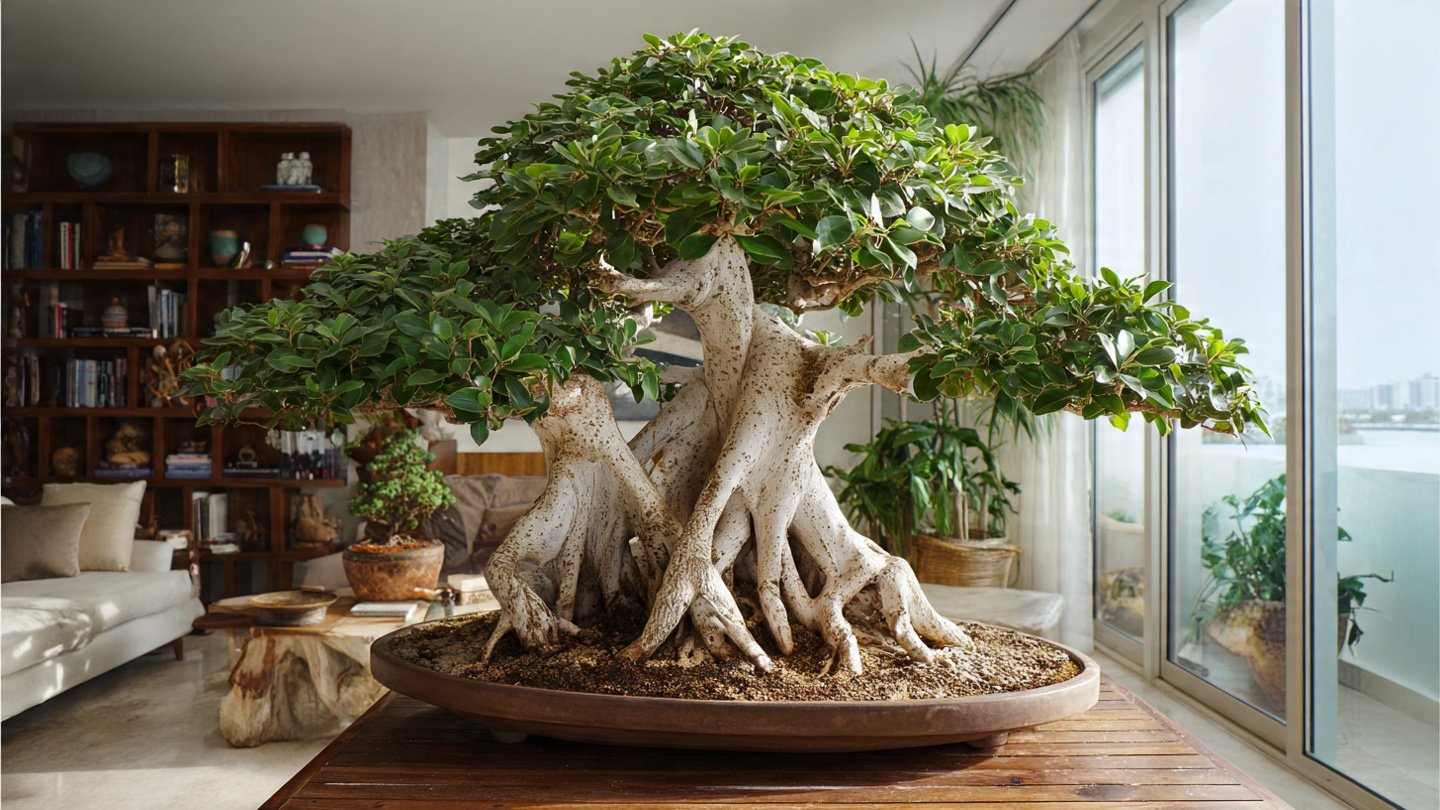
Bonsai, the art of cultivating miniature trees, has deep roots in Asian culture and philosophy. Ficus bonsai, in particular, stands out due to its resilience, striking appearance, and ability to thrive indoors, making it a popular choice among both novice and experienced bonsai enthusiasts. This article delves into the most effective techniques for growing Ficus bonsai, providing insights for creating stunning indoor decor.
Understanding Ficus Bonsai
Ficus, belonging to the Moraceae family, encompasses a variety of species suitable for bonsai, including:
Latest Posts
- Easy Steps to Successfully Grow Bhindi in Grow Bags at Home
- Easy Steps to Grow a Healthy Guava Bonsai at Home for Beginners
- How to Successfully Grow and Cultivate White Strawberry Plants at Home for Delicious and Unique Fruits
- Ultimate Guide to Successfully Growing Weeping Fig Outdoors with Proven Techniques and Expert Tips
- How to Successfully Grow Flemish Beauty Pear Trees in Canada for Optimal Harvest
- Easy Hack to Grow Strawberries Year Round in Your Home Garden for Delicious Harvests
- Growing Flemish Beauty Pears in Canada A Complete Guide for Local Gardens
- The Ultimate Guide to Growing Hibiscus Plants Year Round for Vibrant Blooms and Healthy Foliage
- Easy Ways to Boost the Growth Rate of Your Indoor Peace Lily for Lush Green Foliage
- How to Successfully Grow Oak Leaf Lettuce in Your Home Garden for Fresh and Flavorful Salads
- Ficus retusa: Easily recognizable due to its thick trunk and glossy leaves.
- Ficus benjamina: Known for its weeping branches and delicate leaves.
- Ficus microcarpa (Chinese banyan): Favored for its large leaves and aerial roots.
Each species has unique characteristics, but they all share a capacity for aesthetic appeal as bonsai.
Benefits of Growing Ficus Bonsai
- Aesthetic Appeal: Ficus bonsai offers a classic elegance that enhances any indoor environment.
- Air Purification: Like other houseplants, ficus absorbs carbon dioxide and releases oxygen, improving indoor air quality.
- Therapeutic Qualities: Engaging in bonsai cultivation can be meditative, promoting relaxation and mindfulness.
- Low Maintenance: Compared to some other bonsai species, ficus varieties are relatively forgiving and can tolerate occasional neglect.
Essential Techniques for Growing Ficus Bonsai
- Selecting the Right Species
Choosing the right species is crucial when beginning your bonsai journey. Ficus retusa is a perfect starter due to its adaptability and resilience. Consider the space and lighting of your indoor environment when selecting.
- Proper Soil Mix
Ficus bonsai thrives best in a well-draining soil mix. A typical bonsai soil contains:
- Akadama: A Japanese clay-like soil that retains moisture and nutrients without becoming waterlogged.
- Pumice: Provides aeration and drainage.
- Lava rock: Adds weight, helping the tree to stay upright.
A mix ratio of 50% akadama, 25% pumice, and 25% lava rock ensures optimal conditions for ficus bonsai.
- Watering Techniques
Effective watering is crucial for ficus bonsai health. Here’s how to do it correctly:
- Frequency: Water only when the top inch (2.5 cm) of the soil feels dry. Overwatering can lead to root rot, while underwatering can cause leaf drop.
- Method: Water thoroughly until it drains from the bottom. Avoid leaving the pot in standing water.
- Lighting Requirements
Ficus bonsai thrives in bright, indirect sunlight. A south-facing window often provides the best conditions. However, ensure to avoid direct sunlight, which can scorch the leaves. If natural light is limited, consider using grow lights specifically designed for indoor plants.
- Temperature and Humidity Control
Ficus bonsai prefers a temperature range between 60°F to 75°F (15°C to 24°C). Elevated humidity levels promote healthy leaf growth, so consider using a humidity tray filled with water and stones, enabling evaporation that moistens the air around your bonsai.
- Fertilization Strategy
Fertilization enhances a Ficus bonsai’s growth and vitality. Here’s a simple guideline:
- Type of Fertilizer: Use a balanced fertilizer formulated for bonsai, with equal parts nitrogen, phosphorus, and potassium (N-P-K 10-10-10).
- Frequency: Fertilize bi-weekly during the growing season (spring and summer). Cut back to once per month in fall and winter.
- Pruning and Wiring
Regular pruning and wiring are essential for shaping your bonsai and promoting new growth.
- Pruning: Trim back new growth to encourage bushiness and maintain the tree’s shape. Generally, pruning is best done in spring.
- Wiring: Using soft aluminum or copper wire helps shape branches. Wrap the wire around the branch gently without cutting into the bark, and adjust as needed.
- Repotting Ficus Bonsai
Repotting is essential every two to three years, typically in early spring before new growth appears. Signs that your bonsai needs repotting include:
- Roots growing out of the drainage holes.
- Stunted growth despite adequate watering and fertilization.
When repotting, gently prune any dead or unhealthy roots and refresh the soil mix.
- Pest and Disease Management
Ficus bonsai can be susceptible to pests like aphids, spider mites, and scale. Here are some preventive measures:
- Regular Inspections: Check foliage and stems regularly for signs of pests.
- Natural Remedies: Introduce neem oil or insecticidal soap as a preventive treatment.
- Proper Airflow: Ensure ample airflow around your bonsai to prevent fungal diseases.
- Patience and Observation
The art of bonsai requires patience. Observe your tree continuously, noting changes in leaf appearance, growth patterns, and overall health. Adjust care techniques based on these observations.
Creating Stunning Indoor Decor

Choosing the Right Pot
The pot not only serves a functional purpose but also adds to the aesthetic of your bonsai. Consider the following when selecting a pot:
- Material: Ceramic, plastic, or clay pots, each have unique effects. Ceramic pots are often more decorative, while plastic pots are lighter and easier to handle.
- Color and Design: Choose a pot that complements your interior decor. A simple, unadorned pot allows the tree to be the focal point, while a decorative pot can enhance visual appeal.
Positioning the Bonsai
Find the perfect location for showcasing your Ficus bonsai:
- Height: Place the bonsai at eye level to appreciate its elegance.
- Grouping: Consider grouping with other plants to create a dynamic indoor landscape, varying height and textures for a multi-dimensional effect.
FAQs
-
How often should I water my Ficus bonsai?
- Water when the top inch of the soil feels dry. This can be once a week or more often, depending on environmental conditions.
-
Can I keep my Ficus bonsai outdoors?
- While Ficus bonsai can be outdoors in warm climates, they require protection from extreme weather. For indoor bonsai, ensure bright indirect sunlight.
-
What should I do if my Ficus bonsai leaves are turning yellow?
- Yellow leaves could indicate overwatering or nutrient deficiency. Check soil moisture and consider adjusting your fertilization schedule.
-
How can I promote aerial roots in my Ficus bonsai?
- Increase humidity and make sure to maintain the branch in a humid environment. Aerial roots can be encouraged when the tree has adequate moisture levels.
-
When is the best time to prune my Ficus bonsai?
- Pruning is best done in the spring as the tree begins its growth cycle.
-
Can I use regular potting soil for my Ficus bonsai?
- It’s best to avoid regular potting soil, as it retains too much moisture. Use a specialized bonsai soil mix for optimal results.
By embracing these techniques and nurturing your Ficus bonsai, you can create a stunning indoor decor piece that adds both beauty and tranquility to your space. Happy growing!