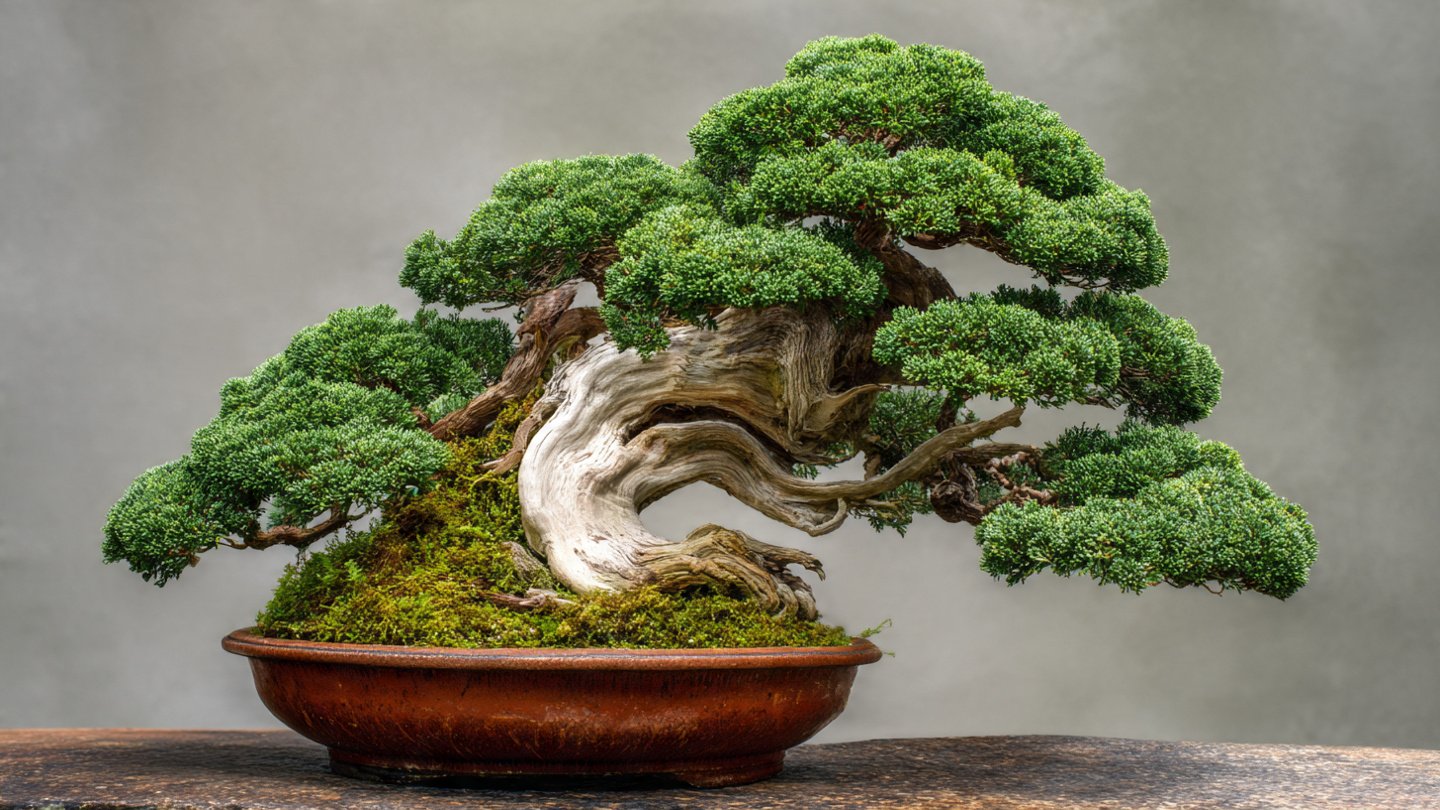
Bonsai, the ancient art of cultivating miniature trees, has its roots in Chinese horticultural practices dating back over a thousand years before spreading to Japan. Among the myriad species suitable for bonsai cultivation, the juniper stands out due to its resilient nature, vibrant color, and striking form. Growing juniper bonsai not only offers you the chance to nurture a unique piece of art but also enhances the aesthetics of your garden. This article delves into the fascinating world of juniper bonsai, exploring its characteristics, cultivation techniques, styling tips, and care requirements.
The Allure of Juniper Bonsai
Historical Significance
Latest Posts
- Easy Steps to Successfully Grow Bhindi in Grow Bags at Home
- Easy Steps to Grow a Healthy Guava Bonsai at Home for Beginners
- How to Successfully Grow and Cultivate White Strawberry Plants at Home for Delicious and Unique Fruits
- Ultimate Guide to Successfully Growing Weeping Fig Outdoors with Proven Techniques and Expert Tips
- How to Successfully Grow Flemish Beauty Pear Trees in Canada for Optimal Harvest
- Easy Hack to Grow Strawberries Year Round in Your Home Garden for Delicious Harvests
- Growing Flemish Beauty Pears in Canada A Complete Guide for Local Gardens
- The Ultimate Guide to Growing Hibiscus Plants Year Round for Vibrant Blooms and Healthy Foliage
- Easy Ways to Boost the Growth Rate of Your Indoor Peace Lily for Lush Green Foliage
- How to Successfully Grow Oak Leaf Lettuce in Your Home Garden for Fresh and Flavorful Salads
The juniper tree has long been associated with longevity and stability across various cultures. In Japan, the juniper bonsai embodies elegance and resilience. This makes it a favored choice for enthusiasts and collectors alike. Its hardy nature allows it to thrive in various climates, making it a versatile option for bonsai enthusiasts.
Varieties of Juniper
Different juniper species present unique characteristics. Here are some popular varieties used in bonsai cultivation:
-
Juniperus procumbens (Japanese Garden Juniper): This species has a low, spreading habit and dark green foliage. Its compact form is ideal for creating stunning bonsai landscapes.
-
Juniperus chinensis (Chinese Juniper): Known for its conical shape and rich green needle-like leaves, this variety offers dramatic textures and excellent flexibility in styling.
-
Juniperus sabina (Savin Juniper): This species is revered for its ability to thrive in harsh conditions. It features intricate branching patterns and a beautiful, rugged appearance.
Each juniper type has its own charm and can be styled to reflect the personality of the grower.
Selecting the Right Juniper Bonsai
Nursery vs. Transplanting
When starting your juniper bonsai journey, you can either purchase a pre-trained bonsai from a nursery or propagate your own from cuttings. Buying from a reputable nursery ensures that your plant has already been conditioned for bonsai techniques, while propagating from cuttings gives you more control over the growth process.
Potting Considerations
A well-draining pot is crucial for the health of your juniper bonsai. Choose a pot that complements the tree’s aesthetics, whether it’s minimalistic or more decorative. Make sure it has adequate drainage holes to prevent root rot.
Growing Conditions
Soil Composition
Juniper bonsai thrives in well-draining soil. A mix of akadama (a type of Japanese clay), pumice, and lava rock provides the right balance of drainage and moisture retention. This mix not only supports healthy root growth but also offers the nutrients that junipers need.
Location
Junipers prefer full sunlight for at least six hours a day. Depending on your climate, consider placing your bonsai in a location that offers protection from harsh elements while still giving it ample sunlight. If growing indoors, ensure that there’s enough light or consider using grow lights.
Watering Techniques
Watering is a critical component of bonsai care. Junipers do not like soggy roots, so it’s important to only water when the top layer of soil feels dry. This will encourage deep root growth and keeps the tree healthy. During hotter months, increased watering may be necessary, while in winter, less frequent watering is ideal.
Styling Your Juniper Bonsai
Pruning
Pruning is key to shaping your juniper bonsai. Regular pruning encourages bushier growth and helps maintain the desired shape. Cut back on new growth, leaving some foliage for the tree’s health. Avoid cutting too close to the trunk to prevent scarring and disease.
Wiring
Wiring is a technique used to manipulate the growth direction of branches. Using aluminum wire, you can gently bend branches into the desired position. Be cautious not to wrap the wire too tightly, as it can damage the bark if left for extended periods. Always monitor the tree as it grows, adjusting the wire as necessary.
Creating Movement
The natural shape of juniper trees often includes interesting twists and turns. Emulating this natural movement enhances the aesthetic appeal of your bonsai. Look for potential bends and angles as you prune and wire your tree to create unique designs.
Fertilizing Your Juniper Bonsai
Fertilization is essential for maintaining a healthy juniper bonsai. Use a balanced fertilizer during the growing season (spring through early autumn). Organic fertilizers or slow-release options are preferable, as they provide nutrients gradually and improve soil health. Reduce feeding during winter when the tree is dormant.
Common Pests and Diseases
Juniper bonsai can be susceptible to pests like spider mites and aphids. Regularly inspect your tree for signs of infestations. Using insecticidal soap or neem oil can help manage these pests. Fungal diseases can also occur in humid conditions, so proper air circulation is vital. Ensure that your tree is not overcrowded and that the soil drains well.
Seasonal Care
Spring
Spring is the time for growth. As temperatures rise, it’s important to start fertilizing your juniper bonsai. It’s also an ideal time for pruning and wiring to shape new growth.
Summer
During the hot summer months, providing adequate water is crucial. Monitor your bonsai closely to prevent dehydration, especially in pots.
Autumn
As autumn approaches, gradually reduce watering and stop fertilizing. This is also the time for harvesting cuttings if you’re propagating new plants.
Winter
In winter, protect your bonsai from extreme cold by moving it indoors if necessary. Cut back on watering as the plant enters dormancy.
The Aesthetic Appeal of Juniper Bonsai in Your Garden
Integrating a juniper bonsai into your garden can create stunning visual interests. The intricate patterns, vibrant greens, and unique shapes can serve as focal points, drawing the eye and enhancing the overall beauty of your outdoor space.
-
Container Gardens: Juniper bonsai can thrive alongside other plants in container gardens. Pairing different species or varying pot designs can create a beautiful eclectic feel.
-
Rock Gardens: The rugged appearance of junipers makes them ideal for rock gardens. Placing them among stones mimics their natural habitat and creates a harmonious look.
-
Zen Gardens: Juniper bonsai contribute to the serenity of zen gardens. Their simplicity and elegance evoke calmness, making them perfect for meditation or relaxation.
FAQs
1. How long does it take for a juniper bonsai to mature?
The maturation of juniper bonsai varies based on care, species, and growing conditions. Generally, it takes about 5 to 10 years to develop a well-structured bonsai.
2. Can I keep my juniper bonsai indoors?
While junipers prefer outdoor conditions, you can keep them indoors temporarily, as long as they receive adequate light. However, long-term indoor care can weaken the plant, so aim to provide outdoor exposure whenever possible.
3. How often should I water my juniper bonsai?
Watering frequency depends on various factors, including climate and pot size. Generally, water when the top inch of soil feels dry, which could mean daily watering in summer and less frequently in winter.
4. What type of fertilizer should I use?
A balanced, slow-release organic fertilizer is ideal during the growing season. Avoid fertilizing in winter when the plant is dormant.
5. How can I tell if my juniper bonsai is healthy?
Signs of a healthy juniper bonsai include vibrant green needles, strong growth, and minimal leaf drop. Yellowing leaves or stunted growth can indicate stress or improper care.
Conclusion
Growing juniper bonsai offers a rewarding blend of artistry, patience, and horticultural skill. By understanding the unique characteristics of junipers and adhering to established bonsai practices, you can cultivate a stunning piece of living art that elevates the aesthetics of your garden. Whether you are a seasoned bonsai artist or a newcomer to this delightful hobby, the juniper tree provides the foundation for creating captivating beauty in your outdoor space. With the right care and attention, your juniper bonsai will flourish, serving as an enduring symbol of nature’s beauty and balance.