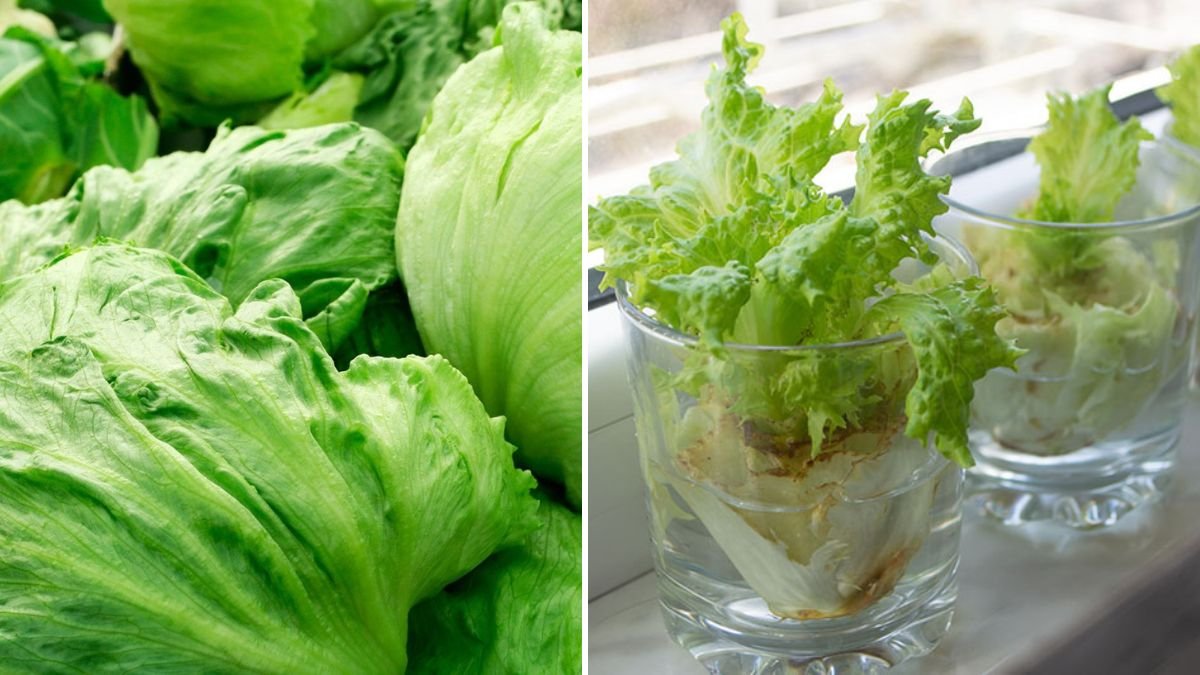
Growing iceberg lettuce indoors can be a rewarding experience, offering fresh, crisp greens right from your home year-round. This guide provides simple methods, from choosing the right variety to maintaining ideal growing conditions, ensuring your indoor garden thrives.
Understanding Iceberg Lettuce
Iceberg lettuce, known for its crisp texture and mild flavor, is a popular salad green. It has a round shape and tightly packed leaves, making it a favorite for salads and sandwiches. Unlike some other lettuce types, iceberg can be a bit trickier to grow, but with the right care, you can cultivate healthy heads indoors.
Latest Posts
- Easy Steps to Successfully Grow Bhindi in Grow Bags at Home
- Easy Steps to Grow a Healthy Guava Bonsai at Home for Beginners
- How to Successfully Grow and Cultivate White Strawberry Plants at Home for Delicious and Unique Fruits
- Ultimate Guide to Successfully Growing Weeping Fig Outdoors with Proven Techniques and Expert Tips
- How to Successfully Grow Flemish Beauty Pear Trees in Canada for Optimal Harvest
- Easy Hack to Grow Strawberries Year Round in Your Home Garden for Delicious Harvests
- Growing Flemish Beauty Pears in Canada A Complete Guide for Local Gardens
- The Ultimate Guide to Growing Hibiscus Plants Year Round for Vibrant Blooms and Healthy Foliage
- Easy Ways to Boost the Growth Rate of Your Indoor Peace Lily for Lush Green Foliage
- How to Successfully Grow Oak Leaf Lettuce in Your Home Garden for Fresh and Flavorful Salads
Choosing the Right Variety
Not all iceberg lettuces are created equal. Look for varieties that are suited for indoor growing, such as ‘Great Lakes’ or ‘Iceberg.’ These strains are more likely to thrive in limited space and controlled conditions, which are typical of indoor gardens.
Essential Supplies
To start your indoor iceberg lettuce garden, you’ll need the following supplies:
- Containers: Choose pots that have adequate drainage. A depth of 6 to 12 inches is ideal.
- Growing Medium: Use a high-quality potting mix that retains moisture but drains well.
- Light Source: If natural light is limited, consider grow lights to provide consistent and adequate light.
- Seed Selection: Purchase high-quality iceberg lettuce seeds from a reputable source.
- Watering Can: Maintain hydration without overwatering.
Preparing Your Containers
-
Selecting Containers: Choose pots that are at least 6 inches deep with drainage holes. Consider using larger containers if you plan to grow multiple plants.
-
Filling with Soil: Fill your containers with potting mix, leaving about an inch of space at the top.
-
Soil Moisture: Before planting, moisten the soil slightly to help seeds settle in.

Sowing the Seeds
-
Planting Depth: Sow seeds about ¼ to ½ inch deep into the soil. Space them about 6 to 12 inches apart if planting multiple seeds in one container.
-
Watering: After planting, gently water the soil to ensure the seeds are adequately hydrated. Avoid making the soil too soggy, as this can lead to rot.
-
Labeling: If you’re growing different varieties, label your containers to track which plants are which.
Ideal Growing Conditions
Iceberg lettuce thrives under specific conditions. Here’s how to create the perfect environment:
Light Requirements
- Natural Light: Iceberg lettuce needs 12 to 16 hours of light per day. Position your pots near a south-facing window that receives full sun.
- Artificial Light: If using grow lights, place them about 6 to 12 inches above the plants. Use full-spectrum LED grow lights to replicate natural conditions.

Temperature and Humidity
- Optimal Temperature: Iceberg lettuce prefers cooler temperatures, ideally between 60°F and 70°F (15°C to 21°C).
- Humidity Levels: Maintain moderate humidity levels; ideally between 40% and 70%. If the air is too dry, consider using a humidifier or misting the plants occasionally.
Watering and Maintenance
Regular Watering: Lettuce requires consistent moisture. Water the plants when the top inch of soil feels dry. Use room temperature water to avoid shocking the plant.
Fertilization: Use a balanced liquid fertilizer every couple of weeks to provide essential nutrients. Look for a product high in nitrogen, as it promotes leafy growth.
Thinning Seedlings: Once seedlings have a few true leaves, thin them out to avoid overcrowding. Leave the strongest seedlings, ensuring adequate space for growth.
Pest Management: Keep an eye out for common pests like aphids and spider mites. If found, use insecticidal soap or neem oil to treat them.
Harvesting Iceberg Lettuce
Iceberg lettuce typically takes about 70 to 80 days to grow from seed to harvest. Here’s how to know when it’s time to pick:
- Size: Harvest heads that are firm and approximately 6 to 8 inches in diameter.
- Cutting: Use a sharp knife to cut the head off at the base, leaving some leaves intact for continued growth.
- Timing: Harvest during the cooler parts of the day to preserve freshness, ideally in the morning.

Continuous Growing Cycle
To ensure a constant supply of fresh iceberg lettuce:
- Stagger Planting: Sow new seeds every couple of weeks to create a continuous harvest cycle.
- Seed Rotations: Start new seeds as soon as you harvest existing ones, ensuring you have plants at different growth stages.
Benefits of Growing Iceberg Lettuce Indoors
- Convenience: Having a supply of fresh lettuce at your fingertips means fewer trips to the grocery store.
- Cost-Effective: Growing your own can save you money in the long run, especially if you consume a lot of fresh greens.
- Quality Control: You control what goes into your soil and how your plants are treated, providing pesticide-free produce.
Challenges and Solutions
Common Challenges
-
Insufficient Light: If your lettuce is growing slowly or becoming leggy, it may not be receiving enough light.
- Solution: Adjust the position of your grow lights or allow more natural light by rotating pots.
-
Pests and Diseases: Indoor plants are still susceptible to pests and diseases.

- Solution: Regularly inspect your plants and maintain cleanliness to reduce infestations.
-
Overwatering: Too much water can lead to root rot.
- Solution: Monitor soil moisture closely, ensuring that it dries out slightly between waterings.
Maintaining Optimal Conditions
For continued growth, adjusting conditions based on seasonality is essential. In summer, ensure ventilation and check for high humidity levels, whereas in winter, consider adding heating mats or adjusting placement to maintain ideal temperature ranges.
FAQs
1. How long does iceberg lettuce take to grow indoors?
Iceberg lettuce typically takes about 70 to 80 days from seed to harvest.
2. How often should I water indoor iceberg lettuce?
Water when the top inch of soil is dry. This could range from once every few days to once a week, depending on environmental conditions.
3. Can iceberg lettuce be grown without grow lights?
Yes, but it requires plenty of natural light. Ideally, place it in a south-facing window that receives direct sunlight for most of the day.

4. What temperature is ideal for growing iceberg lettuce indoors?
Iceberg lettuce thrives in cooler temperatures, ideally between 60°F and 70°F (15°C to 21°C).
5. How do I know when my iceberg lettuce is ready to be harvested?
Harvest heads that are firm and around 6 to 8 inches in diameter. Cut at the base using a sharp knife.
6. Can I grow iceberg lettuce in the same pot as other plants?
While possible, it’s best to grow iceberg lettuce separately to prevent competition for nutrients and space. Consider companion planting with herbs like basil or parsley that have similar care requirements.
7. What should I do if my lettuce starts to bolt?
Bolting occurs when lettuce goes to seed, often triggered by heat. If this happens, you can harvest the leaves before they become bitter and consider starting a new batch in cooler conditions.
Conclusion
Growing iceberg lettuce indoors is a manageable way to incorporate fresh greens into your diet year-round. With the right supplies, attention to conditions, and some patience, you can enjoy crisp, homegrown lettuce that enhances your meals. Whether for salads, sandwiches, or garnishes, your home-grown iceberg lettuce will surely be a delightful addition to your culinary adventures!