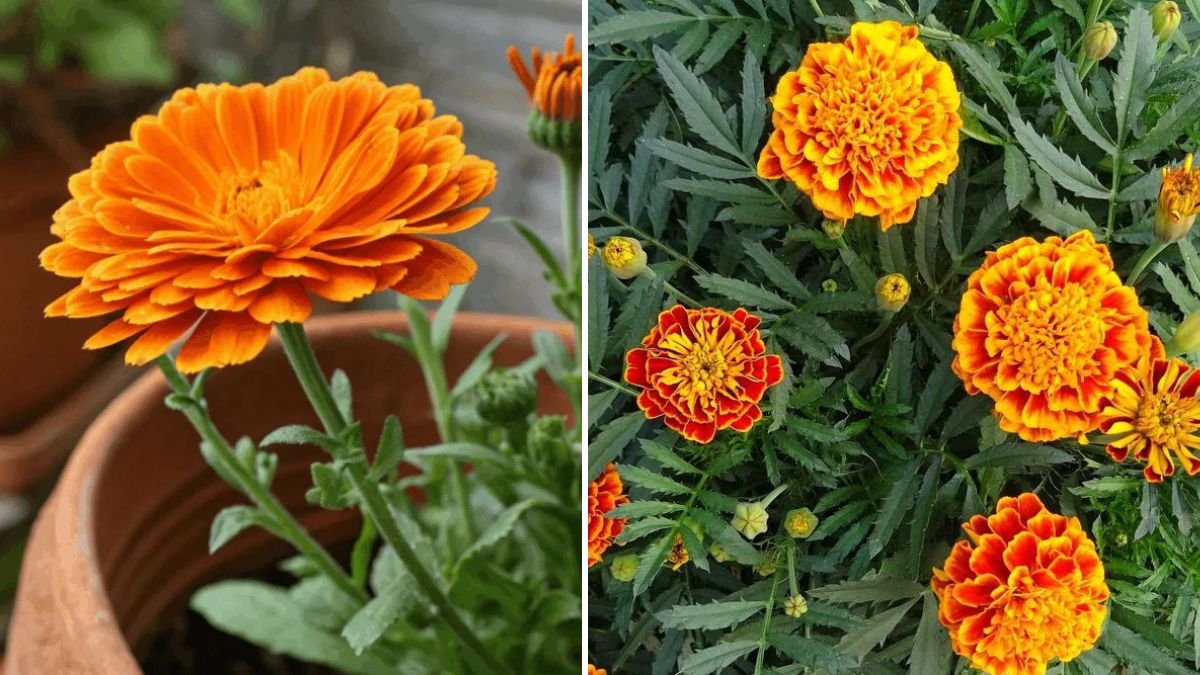
Marigolds, with their bright, vibrant colors and ease of care, are a favorite among gardeners and flower enthusiasts. These cheerful blooms not only elevate your balcony’s aesthetic but can also be beneficial for insect repellent, pest control, and attracting pollinators. Growing marigolds in pots on your balcony is a rewarding endeavor that can brighten any outdoor space. In this article, we will explore the best practices for successfully growing marigolds in pots, including selection, planting, care, and troubleshooting.
Selecting the Right Marigold Variety
Types of Marigolds
Latest Posts
- Easy Steps to Successfully Grow Bhindi in Grow Bags at Home
- Easy Steps to Grow a Healthy Guava Bonsai at Home for Beginners
- How to Successfully Grow and Cultivate White Strawberry Plants at Home for Delicious and Unique Fruits
- Ultimate Guide to Successfully Growing Weeping Fig Outdoors with Proven Techniques and Expert Tips
- How to Successfully Grow Flemish Beauty Pear Trees in Canada for Optimal Harvest
- Easy Hack to Grow Strawberries Year Round in Your Home Garden for Delicious Harvests
- Growing Flemish Beauty Pears in Canada A Complete Guide for Local Gardens
- The Ultimate Guide to Growing Hibiscus Plants Year Round for Vibrant Blooms and Healthy Foliage
- Easy Ways to Boost the Growth Rate of Your Indoor Peace Lily for Lush Green Foliage
- How to Successfully Grow Oak Leaf Lettuce in Your Home Garden for Fresh and Flavorful Salads
There are several varieties of marigolds you can choose from, each with its unique characteristics:
-
African Marigolds (Tagetes erecta): Known for their tall stature and large, shaggy flowers, these are often used for borders or as a centerpiece.
-
French Marigolds (Tagetes patula): These are shorter and bushier with richly colored petals. They are excellent for smaller pots and are often more tolerant of varying conditions.
-
Signet Marigolds (Tagetes tenuifolia): These marigolds are smaller both in height and flower size, but they provide a unique touch with their delicate, lacy leaves and citrusy-scented blooms.
Choosing the right variety depends on your balcony space, aesthetic preferences, and intended use. For a balcony, French marigolds are often the best choice due to their compact size.
Choosing the Right Pots
When it comes to pots, here are some factors to consider:
-
Size: Opt for pots that are at least 6 to 12 inches deep. Marigolds require enough space for their roots to grow.
-
Material: Terracotta, plastic, and ceramic are common options. Terracotta pots are excellent for drainage and temperature regulation.
-
Drainage: Ensure the pots have drainage holes to prevent waterlogging, which can lead to root rot.
-
Style: Select pots that will complement your home’s decor and enhance the visual appeal of your balcony.

Soil Requirements
Marigolds thrive in well-draining soil enriched with organic matter. Here’s how to prepare the right soil for your marigold pots:
-
Soil Mix: Use a potting mix designed for flowering plants. It should contain peat moss, perlite, or vermiculite to ensure good drainage.
-
pH Level: A slightly acidic to neutral pH level (between 6.0 and 7.0) is optimal for marigolds.
-
Nutrients: Consider mixing in compost or a slow-release fertilizer to provide additional nutrients for the growing plants.
Planting Marigolds
When to Plant
The best time to plant marigolds is in the spring, after the danger of frost has passed. Depending on where you live, this can vary, but typically they can be planted outdoors after the last frost date.
How to Plant
-
Seed Starting: You can start marigold seeds indoors about 6-8 weeks before the last frost date or sow them directly into pots once the weather is warm.
-
Spacing: If planting multiple marigolds in one pot, ensure they are spaced adequately to allow air circulation—usually about 6 to 12 inches apart.
-
Depth: Plant seeds about ¼ to ½ inch deep in soil. If you’re using seedlings, ensure that they’re planted at the same depth as they were in their original pots.

Watering After Planting
Water the plants after planting to settle the soil around the roots. Avoid overwatering; it’s better to under-water than to leave the roots sitting in water.
Care and Maintenance
Light Requirements
Marigolds love sunlight. Place your pots where they can receive at least 6 hours of full sun each day. If your balcony gets more than 8 hours of sunlight, ensure that the pots are well-watered to prevent stress on the plants.
Watering
Maintaining consistent soil moisture is key:
- Water when the top inch of soil feels dry.
- Ensure that water drains completely from the pot.
- Avoid watering in the evening to reduce the risk of fungal diseases.
Fertilizing
Although marigolds are not heavy feeders, regular fertilization will promote lush blooms:
-
Type: Use a balanced, all-purpose fertilizer or one specially formulated for flowering plants.
-
Frequency: Fertilize every 4-6 weeks during the growing season but stop about a month before the first expected frost to allow the plants to harden off.

Pruning and Deadheading
-
Deadheading: Regularly remove faded flowers to encourage new blooms. This practice keeps the plants looking tidy and maximizes flowering.
-
Pruning: If the marigolds become leggy or overgrown, trim them back lightly to promote bushier growth.
Pest Management
Marigolds are often planted for their pest-repellent qualities, but they can still attract some pests:
-
Common Pests: Look out for aphids, spider mites, and whiteflies.
-
Control Measures: Use insecticidal soap or organic sprays like neem oil if infestations occur.
-
Companion Planting: Consider planting marigolds with vegetables like tomatoes, peppers, or cucumbers to help deter nematodes and other pests.
Seasonal Care
Fall and Winter
As the growing season winds down, you can:
-
Collect Seeds: If you like, save seeds from your marigolds for planting next season. Allow a few flowers to go to seed before cutting the plants back.
-
Overwintering: In areas with mild winters, you may bring pots indoors to continue growing. Otherwise, when frost hits, you can cut back the plants and compost them.

Spring Preparation
Once spring arrives:
-
Check for Damage: Inspect your marigold pots for damage over the winter and refresh the potting soil if necessary.
-
Replanting: Replant any pots with conditions suitable for marigolds and enjoy the blooms!
Troubleshooting Common Issues
What if my marigolds aren’t blooming?
- Ensure they are getting enough sunlight and nutrients. Lack of deadheading may also contribute to poor blooming.
Leaves turning yellow?
- This could indicate overwatering or poor drainage. Check soil moisture and drainage holes.
Plants are leggy?
- This usually means they are not getting enough light. Move them to a sunnier spot.
Pests present?

- Identify the type of pest and take appropriate control measures.
Conclusion
Growing marigolds on your balcony is an excellent way to add color and vibrancy to your outdoor space. With the right selection of variety, pot, soil, and care regimen, you can enjoy a flourishing display of these cheerful flowers throughout the growing season. Their ease of maintenance and ability to deter pests make them a smart addition to any garden, even those with limited space. Happy gardening!
FAQs
1. How often should I water my marigolds?
Water your marigolds when the top inch of soil feels dry, typically every 3-5 days, depending on weather conditions.
2. Can I grow marigolds indoors?
Yes, marigolds can thrive indoors too, provided they receive enough sunlight. Place them near a south-facing window for best results.
3. Do marigolds attract bees?
Yes, marigolds are excellent for attracting bees and other pollinators, helping to support your garden’s ecosystem.
4. Are marigolds annual or perennial?
Marigolds are typically grown as annuals, meaning they complete their lifecycle in one growing season. In warmer climates, some varieties may self-seed and come back the following year.
5. How long does it take for marigolds to bloom?
From seed, marigolds usually take about 8-10 weeks to bloom. If you start with seedlings, you may see flowers within a few weeks.
By following these guidelines and understanding your marigolds’ needs, your balcony can become a bright bloom-filled sanctuary. Enjoy watching your marigolds flourish and attract life to your space!