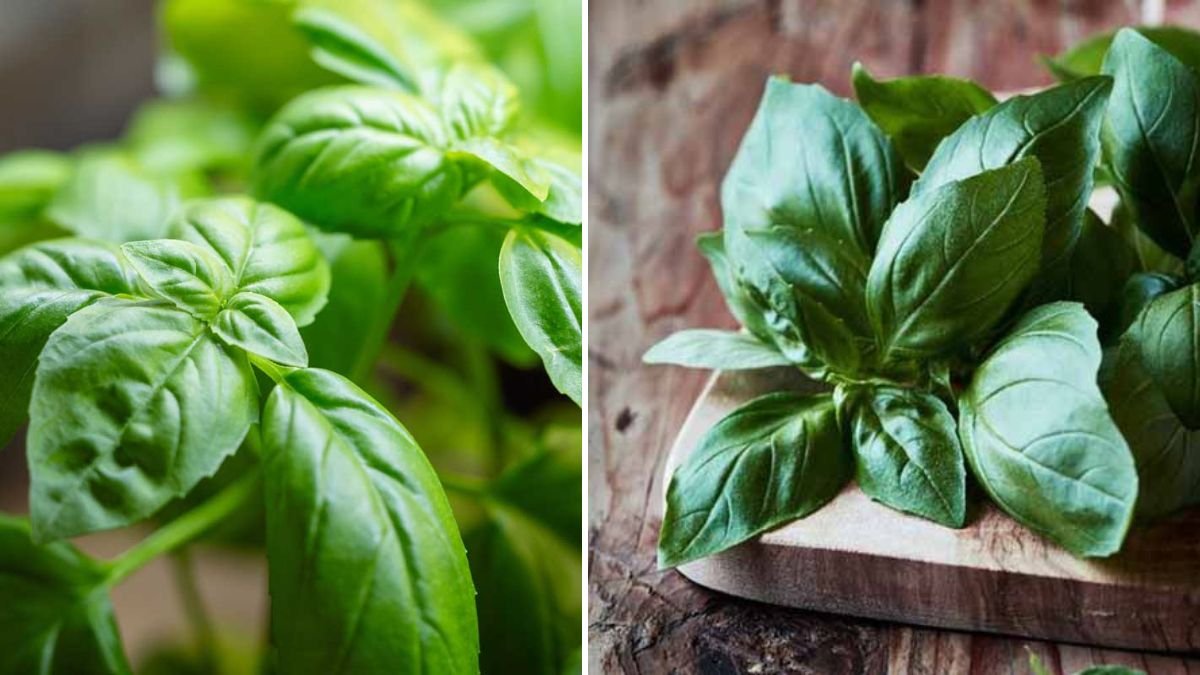
Genovese basil (Ocimum basilicum), with its rich aroma and distinctive flavor, is a staple in kitchens worldwide, especially in Italian cooking. Easy to grow, Genovese basil can flourish in small garden spaces, pots, or even indoors. This article will guide you through simple steps to cultivate this aromatic herb in your home garden, ensuring a bountiful supply for all your culinary needs.
Understanding Genovese Basil
Before diving into cultivation techniques, it’s essential to understand the plant you will be growing. Genovese basil is characterized by its broad, deep green leaves and its sweet, mildly peppery flavor. Unlike some other basil varieties, its leaves are perfect for making pesto and complement a range of dishes such as salads, sauces, and pizzas.
Latest Posts
- Easy Steps to Successfully Grow Bhindi in Grow Bags at Home
- Easy Steps to Grow a Healthy Guava Bonsai at Home for Beginners
- How to Successfully Grow and Cultivate White Strawberry Plants at Home for Delicious and Unique Fruits
- Ultimate Guide to Successfully Growing Weeping Fig Outdoors with Proven Techniques and Expert Tips
- How to Successfully Grow Flemish Beauty Pear Trees in Canada for Optimal Harvest
- Easy Hack to Grow Strawberries Year Round in Your Home Garden for Delicious Harvests
- Growing Flemish Beauty Pears in Canada A Complete Guide for Local Gardens
- The Ultimate Guide to Growing Hibiscus Plants Year Round for Vibrant Blooms and Healthy Foliage
- Easy Ways to Boost the Growth Rate of Your Indoor Peace Lily for Lush Green Foliage
- How to Successfully Grow Oak Leaf Lettuce in Your Home Garden for Fresh and Flavorful Salads
Step 1: Choosing the Right Location
Sunlight Requirements
Genovese basil thrives in warm, sunny conditions. When selecting a location for planting, ensure it receives 6-8 hours of direct sunlight daily. If you’re planting indoors, choose a sunny windowsill that meets this requirement.
Soil Quality
The soil you choose plays a crucial role in the health of your basil plants. Genovese basil prefers:
- Well-draining soil with a rich organic matter content.
- A pH level between 6.0 and 7.0.
Consider mixing garden soil with organic compost to provide essential nutrients. If planting in pots, use a high-quality potting mix that drains well.
Step 2: Planting Your Basil Seeds
Seed Selection
Start by selecting high-quality Genovese basil seeds, which can be found at gardening stores or online. Look for organic seeds when possible to ensure a chemical-free growing experience.
Sowing Seeds
-
Indoors: Start seeds indoors 4-6 weeks before the last frost date in your area. Fill seed trays or small pots with potting mix, sow the seeds about ¼ inch deep, and lightly cover with soil. Mist with water to keep the soil moist but not soggy.
-
Outdoors: Once the danger of frost has passed, and soil temperatures are consistently warmer than 70°F (21°C), you can sow seeds directly in the garden. Space seeds about 10-12 inches apart in rows that are 12-18 inches apart.
Step 3: Watering Your Basil
Basil needs to be watered consistently, but it’s crucial to avoid waterlogging. Here are some guidelines:
- Water deeply once or twice a week, depending on rainfall. Check the top inch of soil; if it’s dry, it’s time to water.
- Use a drip irrigation system or water at the base of the plant instead of overhead to minimize fungal diseases.
- During hot summer months, basil may require more frequent watering.
Step 4: Fertilizing Your Plants
While Genovese basil can grow well in nutrient-rich soil, periodic fertilization can boost its growth:
- Use a balanced, slow-release fertilizer or organic options like compost manure or fish emulsion.
- Fertilize every 4–6 weeks, making sure to follow package instructions for dosage.
Step 5: Pruning and Harvesting
Pruning
Regular pruning encourages bushier growth and prevents flowering, which can cause leaves to become bitter. To prune:
- Use clean, sharp scissors to snip off the tips of the plant once it reaches about 6 inches tall.
- Focus on the top leaves, which promote lateral growth.
Harvesting
- Begin harvesting once your basil plant has reached a sufficient size (usually around 6-8 weeks after planting).
- Always harvest in the morning when the leaves are most flavorful.
- Cut leaves and stems back to just above a set of leaves or nodes to encourage further growth. Avoid harvesting more than one-third of the plant at a time to ensure it remains healthy.
Step 6: Dealing with Pests and Diseases

Genovese basil is relatively pest-resistant but can attract certain pests. Here’s how to keep your plants safe:
- Aphids, whiteflies, and snails can be managed with insecticidal soap or neem oil.
- Powdery mildew and other fungal diseases can be minimized by ensuring proper air circulation and avoiding overhead watering.
Natural Remedies
- Introduce beneficial insects such as ladybugs to your garden.
- Use companion planting; plants like marigolds can deter pests.
Step 7: Preparing for Winter
If you live in a region where winters are cold, consider the following:
- You can pot your basil plants and bring them indoors for the winter months, ensuring they get adequate sunlight.
- Alternatively, take cuttings from your basil plants and root them in water or a moist potting mix, allowing them to root indoors.
Step 8: Enjoy Your Bounty
Once your basil is ready, enjoy it fresh in salads, sauces, or as a garnish. You can also preserve it:
- Freezing: Chop the leaves and mix with olive oil before freezing in an ice cube tray.
- Drying: Hang bunches of basil upside down in a cool, dark place to dry out, and store in airtight containers.
FAQs About Cultivating Genovese Basil
Q1: How long does it take for Genovese basil to grow?
A: Genovese basil typically takes around 30 to 60 days to reach maturity, depending on conditions and care.
Q2: Can I grow Genovese basil indoors?
A: Yes! Genovese basil can thrive indoors if provided with adequate light (6-8 hours) and warmth.
Q3: What is the best way to store fresh basil?
A: Fresh basil can be stored in a glass of water at room temperature or wrapped in a damp paper towel and placed in a plastic bag in the refrigerator for a few days.
Q4: How frequently should I water my basil?
A: Water your basil when the top inch of soil feels dry. Generally, this means watering once or twice a week, depending on weather conditions.
Q5: Can I grow basil from cuttings?
A: Yes! You can root basil cuttings in water or moist soil. Place the cuttings in a sunny spot, and they should root within a few weeks.
Q6: What are some common pests that affect Genovese basil?
A: Common pests include aphids, whiteflies, and spider mites. They can usually be controlled using insecticidal soap or neem oil.
Q7: Why are the leaves of my basil turning yellow?
A: Yellow leaves can indicate overwatering, nutrient deficiency, or exposure to cold temperatures. Check your watering schedule and soil conditions.
Q8: Is it necessary to remove flowers from basil plants?
A: Yes, removing flowers helps the plant to focus its energy on producing more leaves, which are more flavorful and desirable.
With these straightforward steps, you can cultivate lush Genovese basil in your home garden without any complicated techniques. Not only will this enhance your cooking, but it will also bring the joy of gardening into your life. Happy planting!