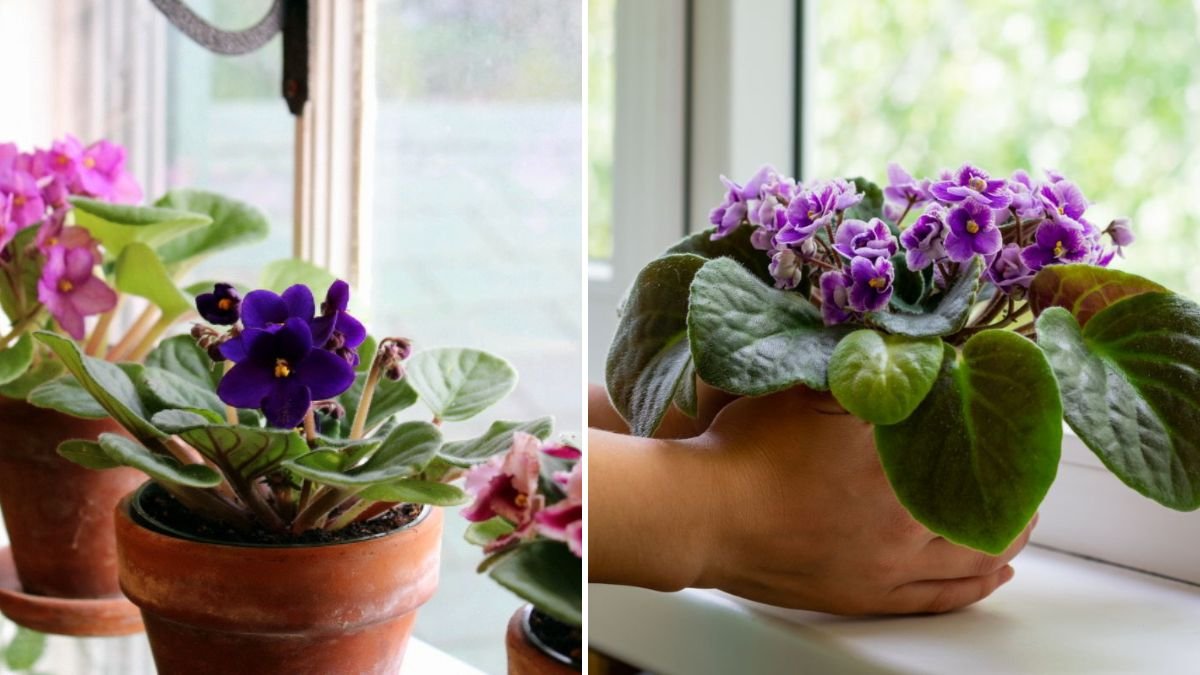
African violets (Saintpaulia) are cherished for their beautiful, vibrant blooms and ease of care. These hardy houseplants can thrive in low light environments, making them ideal for indoor gardening enthusiasts. This guide will provide comprehensive insights into cultivating African violets successfully, even in dimly lit homes.
Understanding African Violets
African violets are native to the tropical regions of east Africa, where they thrive in the understory of forests. This background has equipped them with the ability to grow in lower light conditions compared to many other flowering plants. They are popular for their wide range of colors, leaf textures, and compact size, making them suitable for windowsills, tabletops, or small spaces.
Latest Posts
- Easy Steps to Successfully Grow Bhindi in Grow Bags at Home
- Easy Steps to Grow a Healthy Guava Bonsai at Home for Beginners
- How to Successfully Grow and Cultivate White Strawberry Plants at Home for Delicious and Unique Fruits
- Ultimate Guide to Successfully Growing Weeping Fig Outdoors with Proven Techniques and Expert Tips
- How to Successfully Grow Flemish Beauty Pear Trees in Canada for Optimal Harvest
- Easy Hack to Grow Strawberries Year Round in Your Home Garden for Delicious Harvests
- Growing Flemish Beauty Pears in Canada A Complete Guide for Local Gardens
- The Ultimate Guide to Growing Hibiscus Plants Year Round for Vibrant Blooms and Healthy Foliage
- Easy Ways to Boost the Growth Rate of Your Indoor Peace Lily for Lush Green Foliage
- How to Successfully Grow Oak Leaf Lettuce in Your Home Garden for Fresh and Flavorful Salads
Key Characteristics
- Growth Habit: These plants have a rosette growth form, with leaves that are fuzzy and rounded.
- Blooms: Their flowers bloom in clusters and can vary in color, including purple, blue, pink, and white, with some varieties exhibiting multi-colored petals.
- Size: Typically, African violets reach heights of about 6-12 inches.
Light Requirements
While African violets will flower in low light, their growth and blooming potential can be significantly enhanced with proper light conditions. Here’s how you can manage their light needs effectively:
1. Understanding Low Light Conditions
Low light is typically defined as areas that receive less than 3 hours of direct sunlight per day. In homes, this can come from north-facing windows or rooms with minimal natural light. The key is to provide indirect light to maintain optimal health.
2. Supplemental Lighting
If natural light is severely limited, consider using grow lights. LED grow lights provide the necessary spectrum without generating excessive heat, preventing damage to the plants. Position the lights about 12-18 inches above the plants for optimal growth, running them for about 12-14 hours each day.

Potting and Soil
1. Choosing the Right Pot
African violets prefer small pots that offer good drainage. Terracotta pots are popular choices, as they allow for moisture control. Ensure that the pot has drainage holes to prevent root rot.
2. Selecting the Right Soil
An ideal potting mix for African violets should be lightweight and well-draining. Commercial mixes labeled specifically for African violets are available, or you can create your own using a combination of:
- Peat moss: For moisture retention.
- Perlite or vermiculite: For drainage and aeration.
- Sterilized soil: To provide nutrients.
Mixing these components in a ratio of 2:1:1 (peat moss:perlite:sterilized soil) can yield excellent results.
Watering Techniques
Proper watering is crucial for the health of African violets, especially in low-light conditions.
1. Watering Frequency
In lower light conditions, African violets will require less frequent watering than in bright light. A general guideline is to water when the top inch of soil feels dry. This might range from every 5 to 10 days, depending on the temperature and humidity of your home.
2. Water Quality

Use tepid, distilled, or rainwater to water your plants. Tap water, especially if hard, can lead to leaf spotting and mineral buildup. Avoid getting water on the leaves; instead, water from the bottom by placing pots in a shallow tray filled with water.
Temperature and Humidity
1. Ideal Temperature
African violets thrive in temperatures ranging from 65°F to 75°F (18°C to 24°C). It’s essential to avoid extreme temperature fluctuations and cold drafts, which can impact growth.
2. Humidity Levels
Humidity plays a significant role in the well-being of African violets. They prefer humidity levels between 40% and 60%. To achieve this, consider the following:
- Humidity trays: Place a shallow dish filled with water and pebbles under the plants. As the water evaporates, it will increase local humidity.
- Misting: Lightly misting the leaves can also help, but it shouldn’t be done too frequently to avoid crown rot.
Fertilizing Your African Violets
A proper fertilization schedule can help your African violets flourish, even in low-light conditions.
1. Choosing the Right Fertilizer
Use a water-soluble fertilizer formulated for African violets or a balanced fertilizer with a ratio such as 14-12-14. The key nutrients to focus on are nitrogen, phosphorus, and potassium.
2. Fertilization Schedule
Fertilize your African violets every 4-6 weeks during the growing season (spring and summer). Reduce or stop fertilizing in fall and winter when plants generally enter dormancy.

Pruning and Deadheading
Regular maintenance helps keep your African violets healthy and encourages blooming.
1. Pruning Techniques
Remove any dead or yellowing leaves to promote airflow and prevent disease. Pinch off spent flowers just above the leaves to encourage the growth of new blooms.
2. Repotting
African violets typically benefit from repotting every 1-2 years, especially if they seem root-bound or if the soil has degraded. Choose a slightly larger pot and fresh potting mix to ensure healthy growth.
Pests and Disease Management
Even though African violets are relatively resilient, they can be susceptible to certain pests and diseases.
1. Common Pests
- Mealybugs: Small, white cottony insects that can be removed with a cotton swab dipped in rubbing alcohol.
- Spider mites: These pests thrive in dry conditions; humidity can help deter them. Use insecticidal soap if infestations occur.
2. Diseases
- Root rot: Often caused by overwatering. Always allow the soil to dry out between waterings.
- Powdery mildew: Can develop in high humidity; ensure good air circulation around your plants.

Encouraging Blooms
To encourage blooming in low-light conditions:
- Ensure your plants are mature. Only healthy plants will produce flowers.
- Maintain consistent care in watering, fertilizing, and humidity levels.
- Rotate the pots occasionally to ensure even growth and exposure to available light.
Troubleshooting Common Issues
1. Why are My Leaves Turning Yellow?
Yellow leaves can indicate overwatering, inadequate light, or nutrient deficiencies. Assess the watering schedule and ensure your plants are receiving proper light.
2. Why Aren’t My Violets Blooming?
Lack of blooms can result from insufficient light, over-fertilization, or environmental stress. Examine your care routine and consider adjusting light levels or nutrients.
FAQs
1. Can African violets grow in complete darkness?
No, they need some indirect light to thrive, even if it’s minimal.
2. How often should I water African violets?

Water when the top inch of soil is dry, typically every 5-10 days.
3. What is the best temperature for African violets?
They prefer temperatures between 65°F to 75°F (18°C to 24°C).
4. Can I use regular potting soil for African violets?
Regular potting soil can be too dense for African violets. It’s better to use a light, well-draining mix specifically formulated for them.
5. What pests should I watch out for?
Common pests include mealybugs and spider mites. Regular inspection can help catch infestations early.
6. How long do African violets typically live?
With proper care, African violets can live for many years, often over a decade.
7. Why are my flowers fading?
Fading flowers can result from too much direct sunlight, drafts, or older blooms reaching the end of their life cycle.
Conclusion
Cultivating African violets in low light conditions can be a rewarding endeavor. By understanding their specific needs and providing suitable care, you can enjoy these delightful plants throughout your home. With the right techniques, patience, and attention, you’ll create a flourishing indoor garden that brings warmth and beauty to your living space. Whether you’re new to gardening or a seasoned expert, these steps will guide you to success. Happy gardening!