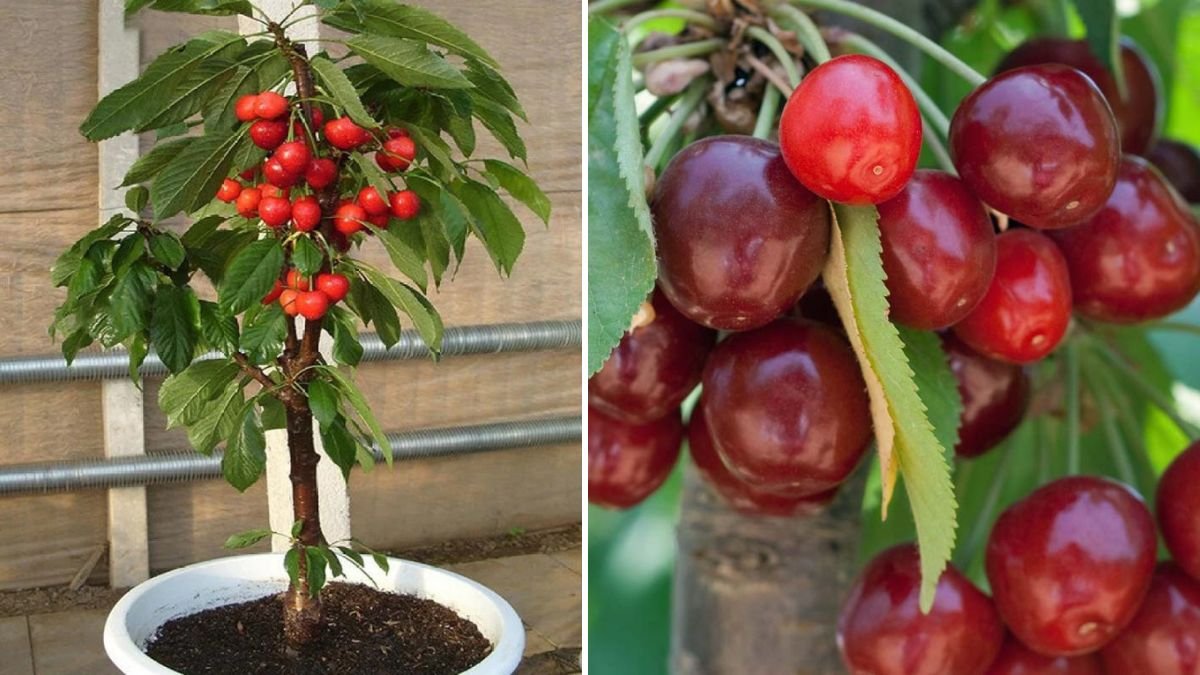
Dwarf cherry trees are a perfect addition to any garden, especially for those with limited space. These compact trees not only yield delicious fruits but also provide beautiful blossoms during the spring. Whether you’re a beginner or an experienced gardener, following the right practices can lead to maximum fruit production. This guide provides essential insights into growing dwarf cherry trees, from selection and planting to care, pruning, and harvesting.
1. Understanding Dwarf Cherry Trees
1.1 What are Dwarf Cherry Trees?
Latest Posts
- Easy Steps to Successfully Grow Bhindi in Grow Bags at Home
- Easy Steps to Grow a Healthy Guava Bonsai at Home for Beginners
- How to Successfully Grow and Cultivate White Strawberry Plants at Home for Delicious and Unique Fruits
- Ultimate Guide to Successfully Growing Weeping Fig Outdoors with Proven Techniques and Expert Tips
- How to Successfully Grow Flemish Beauty Pear Trees in Canada for Optimal Harvest
- Easy Hack to Grow Strawberries Year Round in Your Home Garden for Delicious Harvests
- Growing Flemish Beauty Pears in Canada A Complete Guide for Local Gardens
- The Ultimate Guide to Growing Hibiscus Plants Year Round for Vibrant Blooms and Healthy Foliage
- Easy Ways to Boost the Growth Rate of Your Indoor Peace Lily for Lush Green Foliage
- How to Successfully Grow Oak Leaf Lettuce in Your Home Garden for Fresh and Flavorful Salads
Dwarf cherry trees are smaller variants of traditional cherry trees, typically reaching a height of 3 to 4 feet. They are bred specifically to thrive in smaller spaces, such as gardens, patios, or even balconies. There are two main types of dwarf cherry trees:
- Sweet Cherry Trees: These produce larger, sweeter fruits and tend to be sweeter and more delicate.
- Sour Cherry Trees: Known for their tart flavor, sour cherries are commonly used for cooking and baking.
1.2 Benefits of Growing Dwarf Cherry Trees
- Space-Saving: Ideal for urban settings or small gardens.
- Early Fruiting: Dwarf varieties often bear fruit sooner than their standard counterparts.
- Ease of Harvesting: Smaller trees make it easier to reach branches and pick cherries.
- Aesthetic Appeal: Cherry blossoms in spring are a sight to behold, adding beauty to any garden.
2. Choosing the Right Variety
Selecting the right dwarf cherry tree variety is critical. Some popular options include:
- Stella: A self-pollinating sweet cherry known for its high yields and disease resistance.
- North Star: A sour cherry that produces abundant fruit and is hardy in cooler regions.
- Miniature Cherry Trees: These are bred specifically for container growth and can thrive indoors or on patios.
When selecting a variety, consider your climate, desired fruit type, and the space available.
3. Planting Your Dwarf Cherry Tree
3.1 Ideal Planting Time
The best time to plant dwarf cherry trees is in early spring or late fall when the tree is dormant. This minimizes transplant shock and allows the tree to establish roots before the growing season.
3.2 Planting Location
- Sunlight: Choose a spot that receives full sunlight (at least 6-8 hours per day). This is essential for fruit production.
- Soil: Well-draining soil is vital. Cherry trees prefer sandy loam with a pH between 6.0 and 7.0. Amend the soil with compost to improve fertility.
3.3 Planting Process
- Dig a Hole: The hole should be twice as wide and as deep as the root ball.
- Position the Tree: Place the tree in the center of the hole, ensuring the graft union (the swollen area where the tree was grafted) is above the soil line.
- Backfill: Fill the hole with soil, gently pressing to eliminate air pockets.
- Water: Give the tree a deep watering to help settle the soil.
4. Caring for Your Dwarf Cherry Tree
4.1 Watering
- Initial Watering: Water frequently during the first year to establish strong roots.
- Ongoing Care: Dwarf cherry trees generally require about an inch of water weekly during the growing season. Drip irrigation systems can be beneficial.
4.2 Fertilizing
- Organic Fertilizers: Use a balanced fertilizer in early spring. Avoid high-nitrogen fertilizers, which can promote leaf growth at the expense of fruit.
- Mulch: Add a layer of organic mulch around the base to retain moisture and suppress weeds.
4.3 Pruning
Pruning is vital for maintaining tree health and optimizing fruit production.
- When to Prune: Late winter to early spring is the best time to prune.
- Techniques: Remove dead, damaged, or crossing branches. Aim for an open center to increase sunlight penetration.
4.4 Pest and Disease Management
Dwarf cherry trees are susceptible to several pests and diseases. Regular monitoring and early intervention are crucial.
- Common Pests: Aphids and cherry fruit flies can harm the trees. Use insecticidal soap or neem oil to manage infestations.
- Diseases: Look out for cherry leaf spot or brown rot. Maintaining good air circulation and avoiding excessive moisture can prevent these issues.
5. Harvesting Your Cherries
5.1 When to Harvest
Dwarf cherry trees can start producing fruit within 2 to 3 years of planting. The fruit typically ripens in late spring to early summer, depending on the variety and climate.
5.2 How to Harvest
- Gentle Technique: Use your fingers to gently twist the cherries off the stem. Handle them carefully to avoid bruising.
- Timing: Harvest early in the morning when temperatures are cooler for fresher flavor and quality.
6. Frequently Asked Questions (FAQs)
6.1 How long do dwarf cherry trees live?
Dwarf cherry trees generally have a lifespan of 15 to 20 years with proper care.
6.2 Do I need more than one dwarf cherry tree for pollination?
Some varieties are self-pollinating (like Stella), while others require cross-pollination. Check the specific requirements of your chosen variety.
6.3 Can I grow a dwarf cherry tree in a pot?
Yes! Many dwarf varieties are suitable for container growth. Ensure the pot has adequate drainage and is at least 24 inches deep.
6.4 How do I encourage more fruit production?
Proper sunlight, watering, and fertilization are critical for maximizing fruit production. Regular pruning and good pest management also play a vital role.
6.5 What should I do if my cherries are not ripening?
If cherries are not ripening, they may need more sunlight or the tree might not be receiving adequate nutrients. Adjust care practices accordingly.
6.6 Why are my cherries splitting?
Cherry splitting often occurs due to inconsistent watering, especially right before harvest. Maintain consistent moisture levels to minimize this issue.
Conclusion
Growing dwarf cherry trees can be an incredibly rewarding endeavor, whether you’re looking to produce fruits for personal consumption or to enhance your garden’s visual appeal. With the right knowledge and care, your dwarf cherry trees can thrive and yield a bountiful harvest for years to come. By choosing the right variety, understanding optimal planting times, and following care guidelines, you can enjoy the delicious rewards of your efforts. Happy gardening!