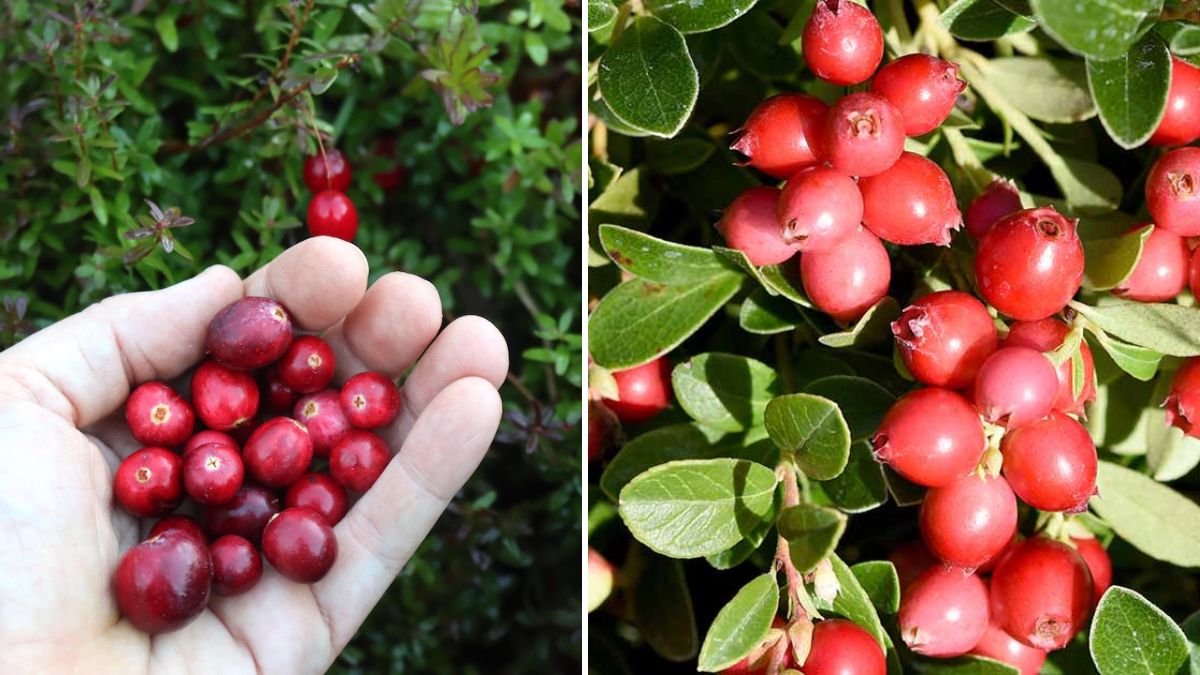
Cranberries are often hailed as superfoods thanks to their impressive nutritional profile and numerous health benefits. Growing your own cranberry plants at home is not only a rewarding endeavor but can also enhance your culinary experiences. Whether you want to make your own cranberry sauce or enjoy fresh cranberries straight from your garden, this guide will provide you with everything you need to know about successfully growing cranberries at home.
Understanding Cranberry Plants
Cranberries, scientifically known as Vaccinium macrocarpon, are low-growing, evergreen shrubs. They thrive in wet, acidic conditions, primarily found in the Northern Hemisphere. With their bright red berries and beautiful foliage, these plants can also serve decorative purposes in your garden.
Latest Posts
- Easy Steps to Successfully Grow Bhindi in Grow Bags at Home
- Easy Steps to Grow a Healthy Guava Bonsai at Home for Beginners
- How to Successfully Grow and Cultivate White Strawberry Plants at Home for Delicious and Unique Fruits
- Ultimate Guide to Successfully Growing Weeping Fig Outdoors with Proven Techniques and Expert Tips
- How to Successfully Grow Flemish Beauty Pear Trees in Canada for Optimal Harvest
- Easy Hack to Grow Strawberries Year Round in Your Home Garden for Delicious Harvests
- Growing Flemish Beauty Pears in Canada A Complete Guide for Local Gardens
- The Ultimate Guide to Growing Hibiscus Plants Year Round for Vibrant Blooms and Healthy Foliage
- Easy Ways to Boost the Growth Rate of Your Indoor Peace Lily for Lush Green Foliage
- How to Successfully Grow Oak Leaf Lettuce in Your Home Garden for Fresh and Flavorful Salads
Characteristics of Cranberry Plants
- Growth Habit: Cranberries grow close to the ground, typically reaching heights of only 6 to 12 inches.
- Root System: They possess a fibrous root system that helps them thrive in acidic, sandy soils.
- Leaves: The leaves are dark green, oval-shaped, and retain their color throughout the year.
Choosing the Right Location
Before you take any steps toward planting, selecting the right location for your cranberry plants is crucial.
Soil Requirements
Cranberries prefer acidic soil with a pH of 4.5 to 5.5. You can test your soil using a pH testing kit from your local gardening store. If your soil is too alkaline, consider adding sulfur or peat moss to lower the pH.
Sunlight
Cranberries thrive in full sunlight, requiring at least 6 to 8 hours of direct sunlight daily. Choose a location that receives ample natural light to encourage growth and fruit production.

Drainage
Although cranberries love wet conditions, they also require good drainage to thrive. Avoid planting in areas where water tends to pool. Instead, choose a raised bed or create a mound to promote drainage.
Preparing the Soil
Once you’ve identified an optimal location, it’s time to prepare the soil.
Steps for Soil Preparation
- Clear the Area: Remove weeds, rocks, and debris from the designated planting area.
- Test the pH: Use a pH test to ensure your soil is acidic.
- Amend the Soil: If necessary, amend the soil with sulfur or peat moss to achieve the desired pH level.
- Tilling: Loosen the soil to a depth of 12 inches by tilling it. This allows for better root penetration and drainage.
Planting Cranberry Bushes
Cranberries can be propagated from seeds or cuttings. However, purchasing young plants from a nursery is often the easiest method for beginners.
When to Plant
The best time to plant cranberries is in the spring, after the last frost, or in the fall before the ground freezes.
Steps for Planting
- Dig Holes: Create holes about 12 inches apart, ensuring they are wide enough to accommodate the root system.
- Plant Depth: Place the cranberry plants into the holes with the top of the root ball level with the soil surface.
- Water Immediately: Water the plants thoroughly after planting to eliminate air pockets and help them settle into the ground.
- Mulching: Apply a layer of mulch around the base of each plant to retain moisture and suppress weeds.

Watering and Fertilizing
Cranberry plants require consistent moisture, especially during their growing season.
Watering Needs
- Frequency: Water the plants regularly to keep the soil moist but not waterlogged. An inch of water per week is usually sufficient.
- Irrigation Methods: If you live in a particularly dry area, consider drip irrigation or a soaker hose for even watering.
Fertilizing
Homemade organic fertilizers and acidic fertilizers formulated for blueberries can work well for cranberries.
- Timing: Fertilize in early spring and again in late summer.
- Application: Follow the package instructions for the right amount; generally, 1 pound of fertilizer per 100 square feet is a good rule of thumb.
Pruning Cranberry Plants
Pruning is essential for maintaining the health and productivity of your cranberry plants.

When to Prune
The best time to prune is in late winter or early spring before new growth begins.
Steps for Pruning
- Remove Dead or Diseased Wood: Trim away any branches that appear dead or diseased.
- Thin Out Branches: If the plant appears overcrowded, thin out some branches to promote better air circulation.
- Limit Height: Keep the plants at a manageable height by trimming back taller branches to promote bushier growth.
Harvesting Cranberries
Cranberries typically take about two to three years to produce fruit, requiring patience and care.
When to Harvest
Cranberries are usually ready for harvest in late fall, between September and October, once they turn a deep red color.
Harvesting Methods
- Wet Harvesting: This involves flooding the fields and using specialized equipment to dislodge berries from the vines. This method is commonly used in commercial cranberry farming.
- Dry Harvesting: Simply hand-picking or using a rake to gather the berries is suitable for home gardeners.
Storage of Harvested Cranberries
Once harvested, store cranberries in a cool, dry place. They can last a few weeks in the refrigerator, and freezing is an excellent option for long-term storage.

Common Pests and Diseases
Cranberry plants, like any other garden plants, are susceptible to pests and diseases.
Pests
- Cranberry Fruitworm: This worm can damage the fruit. Hand-picking or using insecticidal soap can help manage this pest.
- Leaf Scorch: Caused by environmental stress, browning leaves can often be managed by ensuring proper watering and care.
Diseases
- Bog Ascomycete: This is a fungus that can affect the plants. Crop rotation and spacing can help prevent outbreaks.
Companion Plants
Companion planting can help improve soil health and deter pests. Consider planting cranberries alongside:
- Blueberries: Both thrive in similar acidic soils.
- Mint: Great for pest control due to its strong scent.
FAQs
1. How much sunlight do cranberry plants require?
Cranberries thrive in full sunlight, requiring at least 6 to 8 hours of direct sunlight each day for optimal growth.

2. When is the best time to fertilize cranberry plants?
The best time to fertilize is in early spring and again in late summer, using fertilizers formulated for acidic plants.
3. Can I grow cranberries in pots?
Yes, cranberries can be grown in pots, but make sure to choose a pot with good drainage and monitor the soil’s moisture closely.
4. Do cranberry plants need to be pollinated?
Cranberries can self-pollinate but benefit from cross-pollination. Planting multiple varieties can enhance fruit production.
5. How do I know when cranberries are ripe?
Cranberries are ripe when they turn a deep red color and bounce when dropped.
Conclusion
Growing cranberries at home can be a fulfilling experience, providing you with delicious fruits and the satisfaction of nurturing a plant from seedling to harvest. With proper care, attention to details like soil quality and watering, and a little patience, you can enjoy the unique flavor of homegrown cranberries right from your garden. Whether used in recipes, as a garnish, or even as a natural health supplement, these berries can be a fantastic addition to your home-grown bounty.