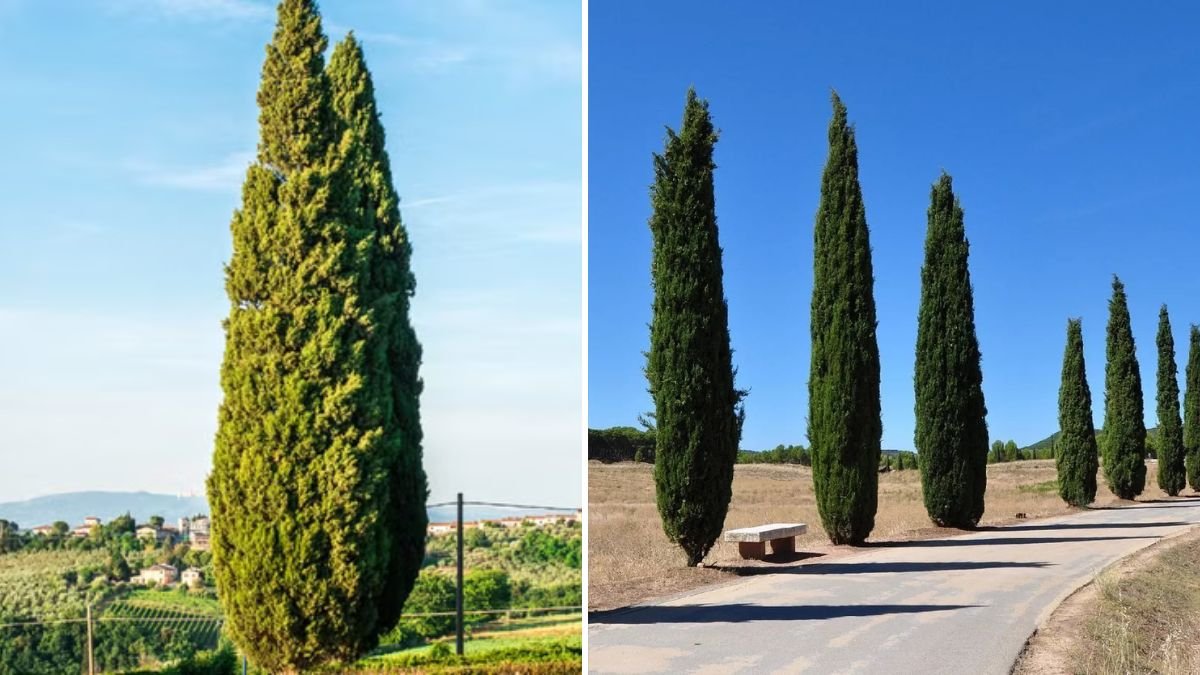
Italian cypress (Cupressus sempervirens) is a tall, slender evergreen tree that embodies the classic Mediterranean landscape. Known for its elegant form and adaptability, it’s no surprise that this tree is a favorite among landscapers and gardeners. If you’re looking to introduce the beauty of Italian cypress into your own landscape, this comprehensive guide will walk you through the steps of growing and caring for this exquisite tree.
Table of Contents
- Easy Steps to Successfully Grow Bhindi in Grow Bags at Home
- Easy Steps to Grow a Healthy Guava Bonsai at Home for Beginners
- How to Successfully Grow and Cultivate White Strawberry Plants at Home for Delicious and Unique Fruits
- Ultimate Guide to Successfully Growing Weeping Fig Outdoors with Proven Techniques and Expert Tips
- How to Successfully Grow Flemish Beauty Pear Trees in Canada for Optimal Harvest
- Easy Hack to Grow Strawberries Year Round in Your Home Garden for Delicious Harvests
- Growing Flemish Beauty Pears in Canada A Complete Guide for Local Gardens
- The Ultimate Guide to Growing Hibiscus Plants Year Round for Vibrant Blooms and Healthy Foliage
- Easy Ways to Boost the Growth Rate of Your Indoor Peace Lily for Lush Green Foliage
- How to Successfully Grow Oak Leaf Lettuce in Your Home Garden for Fresh and Flavorful Salads
- Introduction to Italian Cypress
- Choosing the Right Location
- Preparing the Soil
- Planting Italian Cypress
- Watering and Fertilization
- Pruning and Maintenance
- Common Pests and Diseases
- FAQs
Latest Posts
1. Introduction to Italian Cypress
The Italian cypress is a vertical tree that can grow up to 70 feet in height, with a width of about 3-5 feet. Its narrow, column-like shape makes it ideal for tight spaces or as a striking vertical accent in larger landscapes. The deep green foliage, small cones, and upright growth habit provide a classic, timeless appeal. In the right conditions, the Italian cypress can be a long-lasting and resilient addition to your garden.
2. Choosing the Right Location

When selecting a location to plant your Italian cypress, consider the following factors:
-
Sunlight: Italian cypress thrives in full sun, meaning it needs at least six hours of direct sunlight daily. A sunny spot will enhance its growth and vibrant color.
-
Space: Since it can reach a significant height, choose a location away from power lines and structures. It’s also best to plant them at least 4-6 feet apart from each other to allow room for growth.
-
Wind Protection: While Italian cypress is a hardy tree, it can be susceptible to wind damage. If you live in a windy area, consider positioning the tree near a wall or larger trees for protection.
3. Preparing the Soil
The Italian cypress prefers well-drained soil with a slightly acidic to neutral pH (6.0 to 7.0). Here’s how to prepare the soil before planting:
-
Soil Testing: Test your soil’s pH and nutrient levels using a home testing kit. This will help determine if you need to amend the soil.
-
Amending the Soil: If necessary, improve drainage by mixing in organic matter, such as well-rotted compost or peat moss. If your soil is too acidic, a little lime can help neutralize it.
-
Drainage: Ensure the planting area is well-drained to prevent root rot. If your soil holds too much water, consider creating raised beds or planting on slopes.

4. Planting Italian Cypress
Planting Italian cypress is straightforward. Follow these steps for successful planting:
Materials Needed:
- Italian cypress saplings
- Garden spade
- Compost (if needed)
- Mulch
- Watering can or hose
Steps:
-
Dig the Hole: Create a hole that is twice as wide as the root ball but of the same depth as the root ball. This will provide ample space for the roots to spread.

-
Remove the Sapling: Gently remove the Italian cypress sapling from its container. Be careful not to damage the roots.
-
Place the Sapling: Position the sapling in the center of the hole. The top of the root ball should be level with the surrounding soil surface.
-
Backfill the Hole: Fill the hole with the excavated soil, making sure not to bury the root ball. Water the soil to eliminate air pockets as you backfill.
-
Watering: Water the sapling thoroughly after planting to help it settle into its new home.
-
Mulching: Apply a layer of mulch around the base of the tree, leaving a few inches of space around the trunk to prevent moisture buildup and rot.
5. Watering and Fertilization
Proper watering and fertilization are crucial for the healthy growth of Italian cypress.
-
Watering: In the initial growth phase, water the sapling once a week, or more frequently in very hot or dry weather. Once established, Italian cypress is drought-tolerant and requires less frequent watering.
-
Fertilization: Fertilize in early spring using a balanced, slow-release fertilizer. Follow the instructions on the package for application rates. Avoid over-fertilizing, as this can lead to excessive foliage growth at the expense of root development.

6. Pruning and Maintenance
Italian cypress generally requires minimal maintenance but periodic pruning will help maintain its shape and promote healthy growth.
-
Pruning: Prune primarily in late winter or early spring before new growth starts. Remove any dead or damaged branches and shape the tree as desired. Avoid cutting into the old wood, as this may not regenerate.
-
Mulching: Refresh the mulch layer annually to conserve moisture and suppress weeds.
7. Common Pests and Diseases
Although Italian cypress is relatively hardy, it can face some pests and diseases. Regular monitoring is key:
-
Pests: Watch for spider mites, bagworms, and scale insects. These can be treated with insecticidal soap or neem oil.
-
Diseases: Root rot and cypress canker are the most common problems. Ensure the tree is planted in well-drained soil and avoid excessive watering.

8. FAQs
Q1: How fast does Italian cypress grow?
A1: Italian cypress can grow 1-2 feet per year under the right conditions, reaching its mature height in approximately 10-20 years.
Q2: Can I grow Italian cypress in pots?
A2: Yes, you can grow Italian cypress in large containers, but ensure the pot has good drainage and that you provide enough space for root expansion.
Q3: Is Italian cypress deer-resistant?
A3: Generally, Italian cypress is considered to be deer-resistant, although hungry deer might still nibble on younger trees.
Q4: What is the best time of year to plant Italian cypress?
A4: The best time to plant is in the spring or early fall when temperatures are moderate.
Q5: How can I tell if my Italian cypress is dying?
A5: Signs of a dying tree include yellowing foliage, significant brown patches, bark oozing or cracks, and stunted growth.
Conclusion
Growing Italian cypress can transform your landscape with its classic beauty and elegant shape. With the right care, it can thrive in various conditions, becoming a cherished part of your outdoor sanctuary. Whether used as a focal point or a natural privacy screen, the Italian cypress is an excellent choice for any garden enthusiast. By following this simple guide, you’ll set the stage for successful growth and maintenance, ensuring your landscape flourishes with this iconic tree.